Is Your Old Water Heater on Its Last Legs? Here’s What to Do

Your water heater works quietly in the background every single day—heating showers, filling dishwashers, running laundry. It’s easy to forget it even exists. Until it fails.

Most homeowners don’t think about their water heater until something goes wrong. But catching the warning signs early can save you from a cold shower surprise, a flooded utility room, or a skyrocketing energy bill. This guide walks you through everything you need to know—from recognizing the signs of a failing unit to choosing the right replacement for your home.

Old Water Heater Replacement

Signs Your Water Heater Is Failing

Not every water heater announces its failure loudly. Some units decline gradually, draining your energy budget and comfort level long before they fully give out. Here are the key warning signs to watch for.

Age of the Unit

The average conventional tank water heater lasts between 8 and 12 years. Once your unit crosses that threshold, it’s no longer a question of if it will fail—it’s a question of when. A water heater that is 15 years or older should be replaced, even if it appears to be functioning. At that age, the unit is almost certainly running inefficiently, and any repair costs are money better spent on a new installation.

Not sure how old your unit is? Check the serial number on the rating plate. Most manufacturers encode the manufacture date in the first few digits of the serial number.

Rusty or Discolored Water

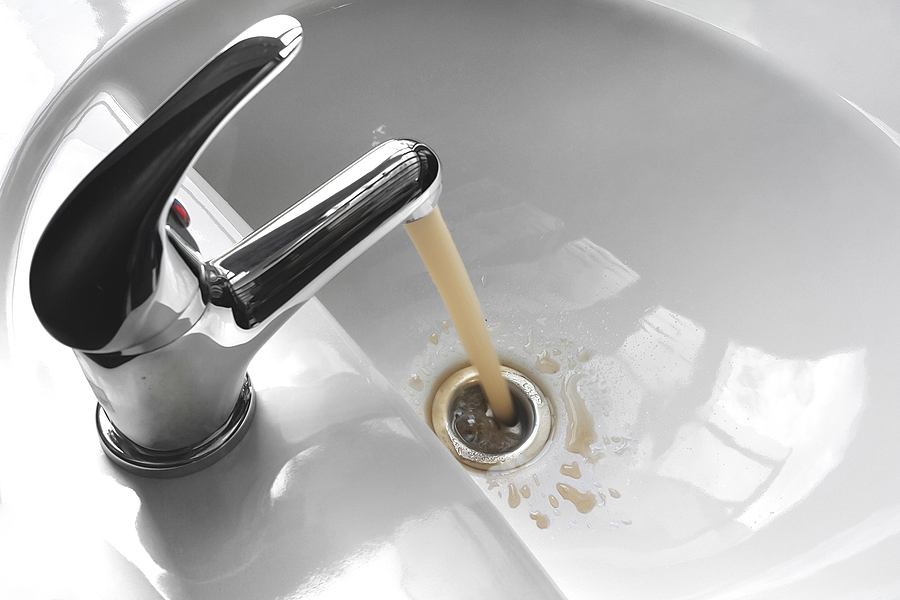
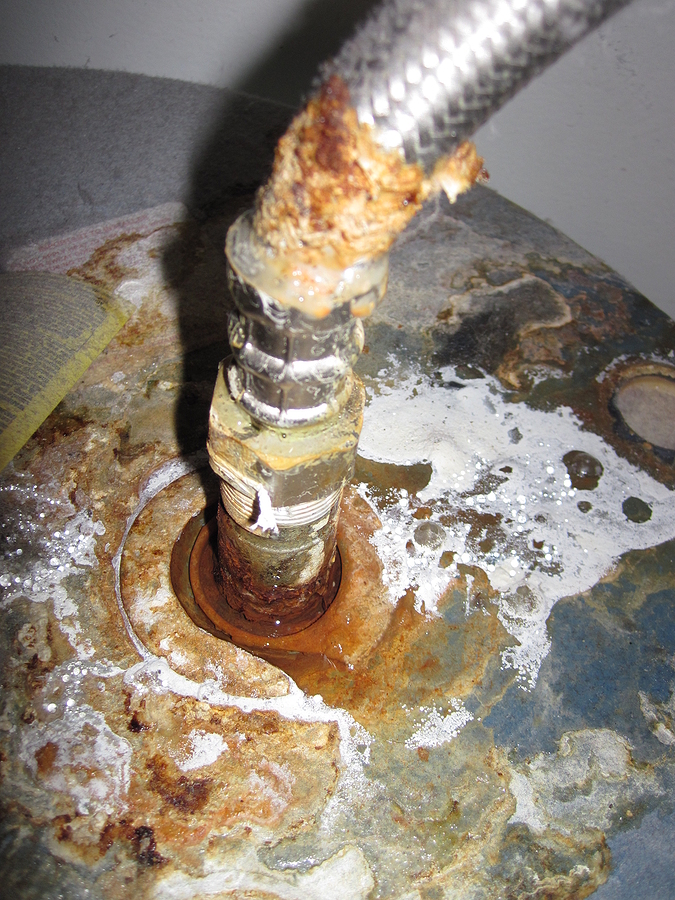
If your hot water has a reddish or brownish tint, or carries a metallic taste, corrosion has likely taken hold inside the tank. Once the interior of a tank begins to rust, no repair can reverse it. This is a definitive sign that replacement is necessary—and the sooner, the better, since a corroded tank is at risk of leaking.

Strange Noises

Rumbling, popping, or banging sounds from your water heater are caused by sediment buildup at the bottom of the tank. Over time, minerals in your water supply settle and harden, forcing the heating element to work harder. Flushing the tank can sometimes help in younger units. But in a water heater that’s 8 years or older, sediment has often caused irreversible damage to the tank lining—and those noises are a warning that failure is approaching.

Leaks and Puddles

Any moisture around the base of your water heater warrants immediate attention. Leaking valves and fittings can often be repaired. But if water is seeping from the tank itself, replacement is your only option. A leaking tank near living areas can cause extensive—and expensive—structural damage to your home.

Inconsistent Water Temperature

Running out of hot water mid-shower, or noticing that your water never gets as hot as it used to, points to a failing thermostat or heating element. In younger units, these are often straightforward fixes. In an aging water heater, however, inconsistent temperatures are a sign of broader decline. Repairing the thermostat may buy you a few more months, but another component is likely to fail soon after.

The Financial Impact of an Old Water Heater

An aging water heater doesn’t just become unreliable—it becomes expensive. The financial costs accumulate in two main ways.

Increased Energy Bills

Water heating accounts for nearly 20% of a home’s energy costs, according to the U.S. Department of Energy. As a water heater ages and accumulates sediment, it works harder to heat the same amount of water, consuming more energy in the process. That inefficiency shows up directly on your monthly utility bill.

Frequent Repair Costs

One repair on an older unit rarely stays one repair. If your water heater has required professional service twice or more in the past 18 months, the system is failing incrementally. Each fix delays the inevitable while adding to your total spend. A practical rule of thumb: if a repair costs more than 50% of the price of a new unit, replacement is the smarter financial decision.

Making the Replacement Decision

When Repairing Makes Sense

Repair is a reasonable choice when your unit is fewer than 8 years old, the repair cost is well under 50% of a replacement unit’s price, and this is the first time the system has required service. A $150 thermostat replacement on a 5-year-old water heater, for example, is a sound investment.

When to Replace

Replace your water heater if it is 10 years or older and showing signs of failure, has required multiple repairs in the past two years, has a leaking or corroded tank, or if the repair cost exceeds 50% of a new unit’s price. For units 15 years or older, replacement is always the right call—regardless of how the repair cost compares.

Benefits of a New Water Heater

Energy Efficiency

Modern water heaters are significantly more efficient than units manufactured a decade ago. Upgrading from an older tank to a new high-efficiency model reduces energy consumption immediately, lowering your monthly utility bill from day one.

Reliability and Performance

A new water heater delivers consistent hot water without the unpredictability of aging components. You won’t have to worry about running out mid-shower or waking up to unexpected cold water.

Enhanced Safety Features

Older water heaters can pose safety risks, including the buildup of excess pressure and inadequate temperature controls. Modern units come equipped with improved pressure relief valves, better insulation, and electronic controls that help protect your home and family.

Choosing the Right Water Heater for Your Home

Sizing Considerations

Choosing the right size ensures you have enough hot water without wasting energy on capacity you don’t need. For a household of two to three people, a 40- to 50-gallon tank is typically sufficient. Larger families may need 65 to 80 gallons. For tankless units, sizing is based on flow rate and temperature rise rather than tank volume.

Fuel Type

Your current fuel source—gas, electric, or propane—will influence your options. Switching from one fuel type to another is possible but may require additional installation work. Electric heat pump water heaters are worth considering for electric homes, especially given current federal tax incentives.

Efficiency Ratings

Look for the Uniform Energy Factor (UEF) rating when comparing units. The higher the UEF, the more efficient the water heater is. ENERGY STAR certified models meet strict efficiency guidelines set by the U.S. Environmental Protection Agency and often qualify for rebates and tax credits.

Professional Installation for Optimal Performance

Proper installation is just as important as choosing the right unit. A licensed plumber ensures your water heater is installed to code, connected correctly, and set up with the right safety components—including a thermal expansion tank and pressure relief valve. Professional water heater installation also protects your manufacturer’s warranty, which can be voided by improper DIY work.

Frequently Asked Questions About Water Heater Replacement

How long does a water heater typically last?

Conventional tank water heaters last 8 to 12 years. Tankless models can last up to 20 years, and heat pump water heaters typically last 13 to 15 years.

What is the 50% rule for water heater repair?

If the cost of a repair exceeds 50% of the price of a new water heater, replacement is typically the better financial decision—especially for older units.

Will a new water heater lower my energy bills?

Yes. Older units lose efficiency over time due to sediment buildup and aging components. Upgrading to a modern, high-efficiency model can reduce water heating costs significantly.

Can I replace my water heater myself?

It is not recommended. Water heater installation involves gas lines or high-voltage electrical connections, code compliance requirements, and safety components that require a licensed professional to install correctly.

What size water heater do I need?

For most households, a 40- to 50-gallon tank is sufficient for two to three people. Larger households typically need 65 to 80 gallons. A licensed plumber can help you determine the right size based on your usage and home setup.

Don’t Wait for a Cold Surprise

An aging water heater rarely fails all at once. It gives signals—strange sounds, rusty water, rising energy bills—that something is wrong. Paying attention to those signs early gives you the time to choose a replacement on your terms, rather than scrambling after an emergency.

Whether your current unit is approaching the end of its lifespan or already showing signs of decline, replacing it sooner rather than later is almost always the more cost-effective and stress-free decision.

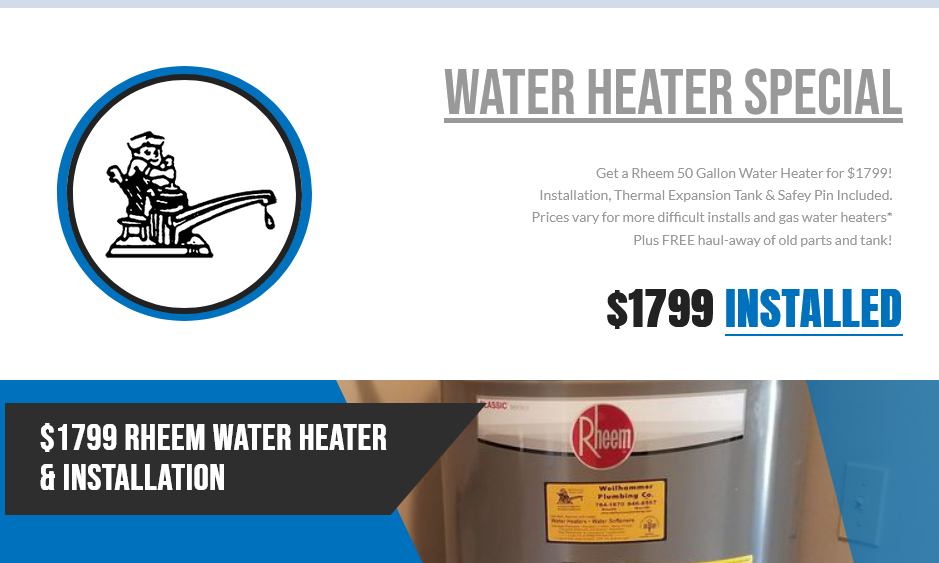
Ready to replace your old water heater? Take advantage of our current special offer: get a premium Rheem 50-Gallon Water Heater installed for just $1,899. The price includes professional installation, a thermal expansion tank, safety pin, and FREE haul-away of your old unit. Contact us today to schedule your replacement and start enjoying reliable hot water from day one.

Call Now

Related Posts:

Choosing a New Water Heater: A Guide for Residential Property Owners
Rheem Water Heater Warranty: What You Need to Know Before You Buy
Common Signs That Suggest You Need Hot Water Heater Replacement Service

Tell-Tale Signs of Sediment Trouble in Your Water Heater

That cold shower on a winter morning? It might be more than bad luck. Sediment quietly building up inside your water heater is one of the most common reasons these appliances lose efficiency, develop leaks, or fail years before they should.

Sediment forms when minerals and tiny particles in your water settle at the bottom of the tank. Over time, that layer hardens, insulates your heating element, and forces your system to work harder than it needs to. Left unchecked, it can cut your water heater’s lifespan in half.

The good news is that your water heater usually warns you before things get serious. This guide walks through the warning signs to watch for, why sediment forms in the first place, how it harms your system, and what you can do to keep it running smoothly for years to come.

Water Heater Sediment Buildup

Warning Signs of Sediment Buildup

Your water heater often sends signals long before it breaks down. Catching these early can save you a costly repair or replacement.

Strange Noises from Your Water Heater

Popping, rumbling, hissing, or creaking sounds are some of the clearest red flags. These noises happen when minerals settle at the bottom of the tank and trap pockets of water beneath them. As the heating element warms up, that trapped water boils and bursts through the sediment, creating those unsettling sounds.

A healthy water heater runs quietly. If yours has started to grumble, sediment is likely the cause.

Reduced Hot Water Supply

Does your shower turn lukewarm faster than it used to? A shrinking hot water supply is another common symptom. As sediment collects, it takes up space that water once filled, leaving less room for hot water in the tank.

That same layer also acts as insulation between the heating element and the water, so less heat actually reaches your supply. The result is lukewarm taps and showers that cool off too quickly.

Murky or Discolored Hot Water

Cloudy, rusty, or orange-tinted hot water is worth paying attention to. Sediment can discolor the water directly, but it can also corrode the inside of your tank. Once the protective lining wears away, the steel beneath it starts to rust, sending discolored particles to your faucets and appliances.

If you notice a metallic smell or taste alongside the color change, corrosion may already be underway.

Higher Energy Bills

A sudden jump in your gas or electric bill can point straight to sediment. When a layer of minerals blocks the heating element, your water heater has to run longer and hotter to deliver the same amount of hot water. That extra effort shows up as wasted energy and a bigger monthly bill.

Why Sediment Accumulates in Water Heaters

Knowing where sediment comes from makes it easier to keep it under control.

The Science Behind Sediment Formation

Sediment is a mix of dissolved and suspended solids—think rust, sand, silt, clay, and hardened minerals. These particles travel through your water supply and eventually settle at the bottom of your tank.

Both city water and well water carry sediment. Municipal water is treated, but minerals can still collect in water mains, and main breaks can stir up debris. Well water tends to carry even more, especially from shallow wells or systems with damaged casings.

Water Hardness and Mineral Content

Hard water is the biggest driver of sediment buildup. The harder your water, the more calcium and magnesium it carries, and the faster those minerals settle out as your water heats.

This matters a lot for local homeowners. According to Citizens Energy Group, water in the Indianapolis area averages 320 parts per million in hardness—about 19 grains per gallon. Anything above 180 ppm is considered “very hard,” so most homes here are well into territory wherein sediment forms quickly.

Impact of Sediment on Water Heater Performance

Sediment does more than make noise. It steadily wears down your system in ways that get expensive.

Decreased Efficiency and Lifespan

A sediment layer forces your heating element to work overtime. That constant strain burns more energy and wears the element out faster. Over months and years, this can shorten your water heater’s lifespan dramatically—sometimes cutting it in half.

Potential for Costly Damage

The risks go beyond efficiency. As sediment forces the tank to overheat, pressure builds inside. Your temperature and pressure relief valve is designed to release that pressure, but heavy sediment can cause it to fail or leak.

Excess heat and corrosion can also crack the tank itself. A cracked or leaking tank can flood a basement or utility room, turning a simple maintenance issue into a major repair bill.

Preventing Sediment Buildup

A little routine care goes a long way toward protecting your investment.

Regular Flushing and Maintenance

Flushing your tank at least once a year is the single most effective step you can take. Draining the tank clears out settled sediment and restores your water heater to normal performance. Regular water heater flushing also helps your system run efficiently and last longer.

If you live with very hard water, you may benefit from flushing more often. A professional plumber can recommend the right schedule for your home.

Water Softener Installation

Flushing removes sediment that has already formed, but water softener installation helps stop it at the source. By reducing the calcium and magnesium in your water, a softener slows how quickly minerals settle in the tank.

For Indianapolis homes dealing with very hard water, a softener or whole-house filtration system can protect not just your water heater, but your pipes and other appliances too.

When to Call a Professional

Some maintenance is simple. Other situations call for an expert eye.

Dealing with Severe Sediment Issues

If your tank still rumbles after a flush, your hot water never gets hot enough, or you spot water pooling around the base, it’s time to bring in a professional. Heavy sediment buildup, corrosion, and leaks usually need more than a basic drain-and-fill.

Professional Water Heater Inspection

A trained water heater repairman can check your heating element, relief valve, and tank lining for damage you can’t see. An annual professional inspection catches small problems before they become emergencies and gives you a clear picture of how much life your water heater has left.

Frequently Asked Questions

How often should I flush my water heater?

For most homes, once a year is enough. If you have very hard water, like much of the Indianapolis area, flushing more often may help.

Can I flush a water heater myself?

Many homeowners can handle a basic flush. If you’re unsure, or if your tank still makes noise afterward, a professional can do it safely and check for deeper issues.

Does a water softener stop sediment completely?

Not entirely, but it greatly slows it down by reducing the minerals that form sediment. Pairing a softener with annual flushing offers the best protection.

How long should a water heater last?

A well-maintained water heater typically lasts 8 to 12 years. Heavy sediment buildup can shorten that significantly.

Keep Your Hot Water Flowing

Sediment buildup is sneaky, but the warning signs are clear once you know what to listen and look for. Strange noises, lukewarm water, discoloration, and rising bills all point to a tank that needs attention. Acting early protects your wallet and keeps the hot water flowing when you need it most.

Noticing any of these signs in your home? Our team offers expert water heater repair and service in Indianapolis, Indiana. Request a free estimate today and keep your hot water running strong.

Call Now

Related Post: Water Heater Troubleshooting: How to Figure Out What’s Wrong

Commercial Water Heater Maintenance Checklist

Hot water is the lifeblood of many commercial operations. Whether you manage a bustling restaurant kitchen, a large-scale hotel, or a busy hospital, a reliable supply of hot water is an absolute necessity.

When your commercial water heater fails, it brings business to a grinding halt. You face frustrated customers, potential health code violations, and the stress of costly emergency repairs. A sudden breakdown disrupts your daily operations and takes a serious toll on your bottom line.

A proactive maintenance strategy prevents these stressful scenarios. By following a clear routine, you protect your equipment investment and ensure a steady supply of hot water for your entire facility. Let’s look at the essential maintenance tasks that will keep your equipment running efficiently and safely all year long.

Call 317-784-1870 for Commercial Water Heater Maintenance in Indianapolis

Why Regular Maintenance Matters for Your Business

Staying on top of your plumbing infrastructure offers compounding benefits for your facility. A well-maintained system operates quietly in the background, allowing you to focus on running your business.

Preventing Costly Breakdowns

Emergency plumbing repairs are expensive. Regular inspections allow you to catch minor issues before they escalate into massive floods or complete system failures. Replacing a fifty-dollar valve during a scheduled checkup is far preferable to replacing an entirely flooded mechanical room.

Extending Equipment Lifespan

Commercial water heaters represent a major capital investment. Routine care can add years to your unit’s operational life. Simple actions limit the internal wear and tear that prematurely destroys neglected tanks.

Ensuring Efficiency and Safety

Sediment buildup forces your heater to work harder to warm the water, driving up utility bills significantly. Maintenance keeps energy consumption low. Furthermore, regular testing ensures that vital safety mechanisms remain fully operational, protecting your building from dangerous pressure levels.

Daily and Weekly Maintenance Checks

You do not need to be a master plumber to keep a watchful eye on your equipment. Simple, frequent observations can save you from unexpected disasters.

Visual Inspections

Walk around the unit daily. Look closely for small puddles on the floor, fresh rust spots on the casing, or weeping connections near the pipes. Spotting a few drops of water early gives you the time to schedule a water heater repair before a pipe bursts.

Temperature Monitoring

Check the thermostat dial weekly. It should stay consistently at the recommended safe temperature for your specific industry. Proper temperature management prevents accidental scalding injuries and suppresses harmful bacterial growth within the tank.

Monthly and Quarterly Maintenance Tasks

As the weeks pass, minerals naturally separate from the water and settle inside your plumbing system. A few regular tasks will keep this debris in check.

Draining and Flushing the Tank

Minerals from hard water constantly settle at the bottom of the tank. Flushing a few gallons of water through the drain valve every month minimizes this harmful sediment buildup. It keeps the drain path clear and prevents the debris from calcifying into a solid mass.

Checking for Leaks and Corrosion

Inspect all valves, supply lines, and the tank base for early signs of rust. Pay special attention to the areas where different types of metals meet, as these are highly susceptible to galvanic corrosion.

Annual Professional Maintenance

Once a year, your commercial water heater requires a comprehensive evaluation. This deep clean restores efficiency and verifies that internal components are structurally sound.

Sediment Removal

A full drain and deep clean removes stubborn scale that weekly flushes leave behind. Technicians will empty the tank entirely to ensure the heating elements or burners have direct, unimpeded contact with the water.

Anode Rod Inspection and Replacement

The sacrificial anode rod attracts corrosive elements in the water to protect the steel tank liner. Over time, this rod dissolves entirely. Once it is depleted, the water will immediately begin eating away at the tank itself. Annual inspections ensure the rod is replaced before your tank begins to rust.

Pressure Relief Valve Testing

The temperature and pressure (T&P) relief valve prevents explosive pressure buildup inside the cylinder. A technician will manually trip this valve to ensure water flows freely and the spring snaps back to a tight seal.

Burner and Pilot Light Cleaning (for gas heaters)

Dust, soot, and debris easily disrupt a gas burner flame. A dirty burner burns cooler and less efficiently, while also creating a serious carbon monoxide hazard. Annual vacuuming and brushing keep the flame burning hot and blue.

Electrical Component Check (for electric heaters)

For electric units, a professional plumber will inspect the heating elements and internal wiring for electrical shorts. They will also check the amp draw to ensure the elements are firing correctly and are not smothered by calcium deposits.

Troubleshooting Common Commercial Water Heater Issues

Even with the best maintenance schedule, minor hiccups can occur. Recognizing the symptoms of common problems helps you act quickly.

No Hot Water

A complete lack of hot water is usually traced to a tripped electrical breaker, a blown pilot light, or a failed gas control valve. Verify your power and gas supplies before calling for service.

Insufficient Hot Water

If the hot water turns cold quickly during peak hours, you may have a broken dip tube. This plastic tube directs cold incoming water to the bottom of the tank. If it breaks, cold water mixes directly with the hot water at the top. This symptom can also point to a burnt-out lower heating element.

Strange Noises

Popping, banging, or rumbling sounds coming from the tank are referred to as “kettling.” This happens when a thick layer of sediment covers the bottom of the tank. Water gets trapped beneath the sediment, boils, and violently bubbles up through the debris layer.

Leaks

Water pooling around the base can originate from a loose drain valve or a dripping T&P valve. However, if the water is leaking directly from the metal seams of the tank cylinder, the unit has fractured internally. A cracked tank cannot be repaired and requires immediate replacement.

Commercial Water Heater Maintenance FAQs

How often should a commercial water heater be flushed?

The exact timeline depends on your facility’s usage and the local water hardness. Generally, a full flush is recommended annually, with smaller mini-flushes performed monthly or quarterly to keep the drain valve clear.

What are the signs of a failing anode rod?

A strong rotten egg or sulfur smell in your hot water is a primary indicator. You might also notice rusty or discolored water coming from your hot taps, accompanied by an unpleasant metallic taste.

Can I perform all maintenance myself?

Facility managers can safely handle daily visual checks, temperature monitoring, and basic monthly mini-flushes. However, tasks like burner cleaning, electrical testing, and anode rod replacement should always be left to licensed plumbing professionals to ensure safety and maintain your warranty.

Keep Your Hot Water Flowing

Maintaining a reliable hot water supply doesn’t have to be a source of stress for your business. By implementing a consistent maintenance checklist, you protect your property from water damage, lower your monthly energy costs, and drastically extend the life of your equipment.

If your facility is located in Indianapolis, Indiana, and you need expert commercial water heater repair or service, we are here to help. We carry high-quality Rheem water heaters in stock and offer them at competitive wholesale prices. Request a free estimate today to keep your business running smoothly without missing a beat.

Call Now to Inquire

Related Post: Common Commercial Plumbing Problems and Tips to Prevent Them

Choosing a New Water Heater: A Guide for Residential Property Owners

Stepping into a shower only to be greeted by freezing water is a jarring experience. A reliable supply of hot water is essential for daily comfort, from morning routines to cleaning dishes and washing laundry. When your current system starts failing, finding the right replacement becomes an urgent priority.

A water heater is a significant investment in your home’s infrastructure. Making the right choice ensures you have consistent hot water while managing your monthly utility bills. With various types, sizes, and efficiency ratings available, the selection process can easily feel overwhelming.

Understanding how different systems work is crucial for maintaining a comfortable home. This guide will walk you through the options, helping you select a unit that meets your household’s unique demands.

Call 317-784-1870 to Get a Residential Rheem 50 Gallon Water Heater for $1899!

Understanding Water Heater Types

The first step in finding the right system is knowing what options exist. Different models heat and store water in completely different ways.

Conventional Storage Tank Water Heaters

These are the most common units found in residential homes. They feature an insulated tank that holds a specific volume of water, keeping it heated and ready for use. When you turn on a hot water tap, the heated water is released from the top of the tank, while cold water enters the bottom to be heated. They are generally the most affordable to purchase, though they experience “standby heat loss” since the water is kept hot continuously.

Tankless Water Heaters

Also known as on-demand systems, tankless units heat water directly without the use of a storage tank. When a hot water tap is turned on, cold water travels through a pipe into the unit, where a gas burner or an electric element heats it instantly. They provide a constant supply of hot water and eliminate standby heat loss, making them highly energy-efficient.

Heat Pump (Hybrid) Water Heaters

Heat pump water heaters capture heat from the air and transfer it to the water. They use electricity to move heat from one place to another instead of generating heat directly. Because of this unique operation, they can be two to three times more energy-efficient than conventional electric resistance water heaters.

Solar Water Heaters

Solar water heating systems use roof-mounted panels to absorb the sun’s thermal energy, which is then transferred to an antifreeze-like fluid in a closed-loop system. This fluid runs through a heat exchanger to warm the water in a storage tank. While they have a higher upfront cost, they offer significant long-term savings on energy bills.

Key Factors for Selecting a Water Heater

Once you know the types available, you must narrow down the choices based on your home’s specific requirements.

Fuel Type and Energy Efficiency

Your fuel choice heavily impacts your annual operating costs. The most common fuel types are electricity and natural gas. Natural gas water heaters typically cost more to purchase and install but are generally less expensive to operate than electric models. If you are switching fuel types, keep in mind that retrofitting your home for gas or upgrading your electrical panel can add significantly to the installation cost.

Sizing Your Water Heater for Your Home

A properly sized water heater will meet your household’s peak demands without wasting energy. For conventional tanks, you need to look at the First Hour Rating (FHR). The FHR measures how much hot water the heater can deliver in an hour when starting with a full tank. The formula for FHR is roughly the tank capacity multiplied by 0.70, plus the recovery rate. A household of one to two people generally needs a 30 to 40-gallon tank. If you have three or four people living in the home, a 50-gallon tank is often necessary.

Energy Factor (EF) and Uniform Energy Factor (UEF)

Efficiency ratings help you understand how well a unit converts energy into heat. Historically, the Energy Factor (EF) was the standard metric. Today, the Uniform Energy Factor (UEF) is the modern standard used for residential water heaters. A higher UEF indicates a more efficient water heater, which directly translates to lower operating costs.

Cost Considerations: Purchase, Installation, and Operation

When budgeting for a new system, you must look at the total cost of ownership. A tankless water heater might cost twice as much as a conventional tank upfront. However, its lower operating costs and longer lifespan can offset the initial price tag over time. Always weigh the upfront installation expenses against the projected monthly energy savings.

Water Heater Installation and Maintenance Tips

A water heater is only as good as its installation and upkeep. Proper care guarantees your system operates safely and efficiently.

Professional Installation Benefits

Installing a water heater involves working with electricity, natural gas, carbon monoxide venting, and pressurized water. It is a complex job that requires strict adherence to local building codes. For example, Indiana code requires non-pressurized expansion tanks to be securely fastened and supported to carry twice the weight of the tank filled with water. Hiring a professional water heater service ensures the job meets all safety regulations and protects your manufacturer’s warranty.

Regular Maintenance for Longevity

Routine maintenance is vital, especially if you live in an area with hard water. In Indianapolis, the water hardness averages between 12 and 25 grains per gallon, which is considered extremely hard. This high mineral content leads to rapid calcium and sediment buildup inside your tank. Flushing your water heater at least once a year helps remove this sediment, preventing blockages, increasing efficiency, and extending the life of your appliance.

Frequently Asked Questions

How do I know if my water heater needs replacing?

Signs of a failing unit include rusty water coming from your hot taps, rumbling or popping noises from the tank, visible leaks around the base, and a consistent lack of hot water. If your unit requires frequent repairs, replacement is often the more economical choice.

What is the average lifespan of a water heater?

Conventional storage tank water heaters generally last between 8 and 12 years. Tankless water heaters have a longer life expectancy, often lasting 15 to 20 years when properly maintained.

Can I install a water heater myself?

While some experienced DIYers might attempt it, professional installation is highly recommended. Improper installation can lead to gas leaks, electrical fires, water damage, and dangerous carbon monoxide buildup.

How can I improve my water heater’s efficiency?

You can easily boost efficiency by lowering the thermostat on your unit to 120 degrees Fahrenheit. Insulating the first few feet of the hot and cold water pipes connected to the heater also prevents heat loss.

Making an Informed Decision

Replacing a water heater is a major home improvement project that requires careful thought. By understanding your household’s hot water usage, comparing different heating technologies, and paying attention to efficiency ratings, you can select a system that provides lasting comfort. Remember that regular maintenance and professional installation are just as important as the unit you choose to buy.

If you are ready for a reliable upgrade, we have an exclusive offer just for you. Take advantage of our current special and enjoy a brand new 50-Gallon Rheem water heater delivered and installed for just $1899*. This complete package includes the free removal of your old unit. Ensure your home has endless hot water and expert installation by contacting our team today to schedule your service.

Call Now to Book Service

Related Post: Water Heater Troubleshooting: How to Figure Out What’s Wrong

The Ultimate Guide to Flushing Your Water Heater for World Plumbing Day

Every March 11, professionals across 70+ countries celebrate World Plumbing Day—a moment recognized by the World Plumbing Council to highlight the vital role plumbing plays in public health, safety, and everyday life. It’s also a fitting reminder that the plumbing systems inside your own home deserve some attention.

Your water heater is one of the hardest-working appliances in your house. It runs quietly in the background, day after day, heating water for showers, dishes, and laundry without much fanfare. But neglect it long enough, and sediment quietly accumulates at the bottom of the tank—reducing efficiency, shortening the unit’s lifespan, and driving up your energy bills.

The good news? A regular tank flush is one of the simplest and most effective maintenance tasks a homeowner can perform. This guide walks you through everything you need to know—from spotting the warning signs to completing a safe, thorough flush—so you can honor World Plumbing Day the right way.

Call 317-784-1870 For Professional Water Heater Flushing in Indianapolis Indiana

Signs Your Water Heater Needs a Flush

Sediment buildup doesn’t announce itself loudly. It tends to creep up gradually, which is why so many homeowners miss it until a real problem develops. Here are the most common warning signs to watch for:

  • Unusual noises – Popping, rumbling, or banging sounds coming from your tank are classic indicators of sediment. As minerals like calcium and magnesium harden at the bottom of the tank, they create turbulence during the heating cycle.
  • Inconsistent water temperature – Hot water that fluctuates or runs out faster than it used to can point to a sediment layer insulating the heating element from the water above it.
  • Longer heating times – If your water takes noticeably longer to heat up, sediment may be forcing your unit to work harder than it should.
  • Rusty or discolored water – Reddish-brown hot water suggests corrosion inside the tank, often accelerated by mineral deposits.
  • Rising energy bills – A less efficient water heater consumes more energy. If your utility costs are climbing without a clear explanation, your water heater may be the culprit.

If any of these signs sound familiar, your tank is overdue for a flush. Schedule affordable water heater service in Indianapolis with our professional plumbers at Weilhammer Plumbing Company.

Step-by-Step Instructions: How to Safely Drain and Flush Your Tank

Flushing a water heater is a beginner-level task that takes under two hours. Before you start, gather a standard garden hose, a bucket, and a screwdriver or wrench. Here’s how to do it safely:

Step 1: Turn off the power or gas supply

For electric water heaters, switch off the breaker at your service panel. For gas models, turn off the gas supply at the source. Never attempt to drain a water heater that is still actively heating—this is a critical safety step.

Step 2: Let the water cool

Allow the water inside the tank to cool for at least a couple of hours. Hot water exiting the drain valve can cause serious burns.

Step 3: Shut off the cold water supply

Locate the cold water shut-off valve above the tank and turn it off to stop new water from entering during the drain.

Step 4: Connect a garden hose to the drain valve

The drain valve is located near the base of the tank. Attach a garden hose and direct the other end to a floor drain, a large bucket, or outdoors. Keep in mind that draining takes roughly 20–25 minutes.

Step 5: Open a hot water faucet indoors

Turn on a hot water tap somewhere in your home. This prevents a vacuum from forming in the pipes and allows the tank to drain more freely.

Step 6: Open the drain valve and inspect the water

Open the drain valve and let the water flow out. If the draining water looks cloudy or contains visible particles, the tank needs a full flush.

Step 7: Flush out remaining sediment

To dislodge stubborn buildup, turn the cold water supply on and off several times. This creates pressure changes that help break sediment loose. Continue until the water runs completely clear.

Step 8: Close the drain valve and refill the tank

Once the water runs clear, close the drain valve, remove the hose, and reopen the cold water supply to refill the tank. Keep the indoor hot water faucet open until water flows steadily, then close it.

Step 9: Restore power or gas

Once the tank is full, turn the electricity back on at the breaker—or relight the pilot light for gas models following the manufacturer’s instructions.

One more check: The Department of Energy recommends testing your temperature and pressure relief (T&P) valve annually. This safety device prevents dangerous pressure buildup inside the tank. If it’s not functioning correctly, contact a licensed plumber.

Benefits of Annual Maintenance

Committing to a regular flush schedule pays off in several concrete ways:

  • Extended unit lifespan: Sediment that sits undisturbed accelerates corrosion and can lead to premature tank failure. Routine flushing removes this buildup before it causes irreversible damage.
  • Improved energy efficiency: When sediment coats the bottom of the tank, the heating element has to work harder to transfer heat to the water. Clearing it out reduces energy consumption—and lowers your monthly utility bill.
  • Consistent hot water supply: A clean tank heats water faster and holds temperature more reliably, which means fewer cold surprises mid-shower.
  • Reduced repair costs:Small maintenance tasks performed regularly are far less expensive than emergency repairs or full unit replacements.

Most experts recommend flushing your water heater at least once per year. If your home has hard water—water with a high mineral content—flushing every six months is a smarter approach. Harder water means faster sediment accumulation, and Indianapolis-area homes are no exception.

Frequently Asked Questions

How often should I flush my water heater?

For most households, once a year is sufficient. Homes with hard water or older units benefit from flushing every six months to prevent significant buildup.

Is it safe to flush a water heater myself?

Yes, for most homeowners. The key safety precautions are turning off the power or gas supply before starting and allowing the water to cool before draining. If you’re ever uncertain, call a licensed plumber.

What if the water never runs clear?

If you flush the tank repeatedly and the water still appears discolored or cloudy, the sediment buildup may be too severe to address with a standard flush. This is a sign to contact a professional, as the unit may need further service or replacement.

My drain valve appears to be clogged—what should I do?

A clogged drain valve is a common issue in tanks that haven’t been flushed in years. Do not force it open. A plumber can safely clear or replace the valve without damaging the tank.

How long does a water heater last?

With proper maintenance, a tank-style water heater typically lasts 8–12 years. If your unit is more than 10 years old and showing persistent issues, it may be more cost-effective to replace it.

When should I call a professional instead of doing it myself?

Call a licensed plumber if: the unit doesn’t drain after opening the valve, you notice any leaks around the tank, strange noises persist after flushing, or the T&P valve appears faulty.

Give Your Water Heater the Attention It Deserves

Your water heater quietly powers some of the most important moments of your day. A simple annual flush is one of the most straightforward ways to protect that investment, keep your energy bills in check, and avoid the stress of an unexpected breakdown.

This World Plumbing Day, take the opportunity to show your plumbing system some respect—starting with the appliance that works hardest behind the scenes.

Ready to leave it to the professionals? Schedule water heater maintenance and repair in Indianapolis, Indiana today. Our licensed plumbers provide thorough inspections, tank flushing, and full water heater services to keep your home running smoothly all year long.

Call for a Free Quote

Related Post: Why Your Hot Water Heater Won’t Drain

Water Heater Troubleshooting: How to Figure Out What’s Wrong

There is nothing quite as jarring as stepping into a shower expecting warmth, only to be hit by a blast of icy water. It’s a harsh reminder of how much we rely on our water heaters for daily comfort. While these appliances are generally reliable workhorses, they aren’t immune to wear and tear.

Strange noises, mysterious puddles, and lukewarm water are all signs that your unit needs attention. Understanding these symptoms can help you decide whether a quick DIY fix is possible or if it’s time to call in a professional. Ignoring these signs often leads to bigger, more expensive problems down the road.

This guide covers the most common water heater issues homeowners face. We will walk you through safe diagnostic steps to help you get your hot water—and your comfort—back on track.

TL;DR and Key Takeaways:

  • Popping noises usually indicate sediment buildup in the tank, which traps steam bubbles.
  • Leaks from the bottom often signal a loose drain valve or, in worse cases, internal tank corrosion requiring replacement.
  • No hot water is frequently caused by a tripped circuit breaker (electric) or an extinguished pilot light (gas).
  • Rotten egg smells are caused by bacteria reacting with a magnesium anode rod; switching to aluminum-zinc can fix this.
  • Safety first: Always turn off power or gas before inspecting your unit. If you smell gas, leave the house immediately.

Table of Contents:

  • Why is my water heater making noise?
  • Why is my water heater leaking from the bottom?
  • Why do I have no hot water?
  • Why does my water smell like sulfur?
  • Frequently Asked Questions
  • Quick Recap
  • Conclusion
  • Water Heater Repair in Indianapolis
Call 317-784-1870 for Professional Water Heater Repair in Indianapolis

Why is My Water Heater Making Noise?

Noises like popping, rumbling, or banging are typically caused by sediment buildup at the bottom of the tank or thermal expansion.

As water heaters age, minerals like calcium and lime separate from the water and settle at the bottom of the tank. This layer of sediment acts as an insulator between the heating element (or burner) and the water. When the burner heats up, water trapped underneath the sediment boils and turns into steam bubbles. These bubbles eventually burst through the sediment layer, creating a loud popping or rumbling sound—much like a pot of boiling water with a lid rattling on top.

While the noise itself might seem harmless, the sediment forces your heater to work harder, which can overheat the tank’s bottom and damage the protective lining.

Other common noises:

  • Sizzling: This is often caused by condensation dripping onto the hot burner, which is common in gas units when they are first installed or during cold weather.
  • Water Hammer: If you hear a loud banging in the pipes when a faucet shuts off, this is likely “water hammer.” It’s caused by high water pressure stopping suddenly. Installing a water pressure regulator or an expansion tank can solve this.
  • Screeching: This high-pitched sound can indicate a restricted water flow, often due to a partially closed valve.

How to fix it:

Flushing the tank is the standard solution for sediment buildup. This involves attaching a garden hose to the drain valve and letting the water run until it clears. If the noise persists after flushing, the sediment may have hardened into scale, which is harder to remove and might require professional descaling.

Why is My Water Heater Leaking from the Bottom?

Leaks from the bottom are usually caused by a loose drain valve, high pressure triggering the relief valve, or internal tank corrosion.

Finding a puddle of water around your heater is alarming, but it doesn’t always mean you need a new unit. First, check the drain valve at the very bottom. If it feels wet, it might just need tightening with a wrench. If tightening doesn’t stop the drip, the washer inside may be worn out, meaning the valve needs replacing.

Next, look at the Temperature and Pressure (T&P) Relief Valve. This safety device sits higher up on the tank and has a discharge tube running down to the floor. If water is dripping from this tube, the valve is doing its job—releasing excess pressure or temperature to prevent an explosion. However, if it leaks constantly, the valve itself might be faulty, or your home’s water pressure is too high.

The worst-case scenario:

If the water appears to be seeping directly from the tank’s seams or the metal casing itself, this indicates internal corrosion. Glass-lined tanks eventually crack or rust through. Once the tank structure is compromised, it cannot be repaired. In this case, shutting off the water supply and replacing the entire unit is the only option.

Why Do I Have No Hot Water?

A lack of hot water is most often due to a tripped circuit breaker (for electric units) or an extinguished pilot light (for gas units).

Before you panic, check the simplest culprits. If you have an electric water heater, go to your electrical panel and ensure the breaker hasn’t tripped. If the breaker is fine, check the “Reset” button located on the heater’s upper thermostat (you will need to remove a small access panel). This button, known as the High Limit switch, trips if the water gets too hot. If it keeps tripping, you likely have a faulty thermostat or heating element.

For gas water heaters, the most common culprit is the pilot light:

  • Check the pilot: Follow the instructions on the manufacturer’s label to relight it. You typically turn the knob to “Pilot,” hold it down, and press the igniter button.
  • Thermocouple issues: If the pilot lights but goes out as soon as you release the knob, the thermocouple—a safety sensor that detects the flame—may be dirty or broken.
  • Airflow: Modern gas units have thermal switches that shut down the system if the burner isn’t getting enough air. Check that the air intake screens at the bottom aren’t clogged with dust or lint.

Why Does My Water Smell Like Sulfur?

A “rotten egg” smell is caused by bacteria in the water reacting with the magnesium anode rod inside your tank.

This issue is rarely a fault with the water heater itself but rather a chemical reaction. Most tanks come with a “sacrificial” anode rod made of magnesium. This rod is designed to rust so that your tank doesn’t. However, if your water supply has high levels of sulfur or specific bacteria, the magnesium rod reacts with them to produce hydrogen sulfide gas. This creates a potent sulfur odor, especially in the hot water supply.

How it can be fixed:

  • Flush the system: Using a chlorine bleach solution to flush the tank can kill the bacteria, though the smell often returns.
  • Replace the rod: The most permanent fix is to replace the magnesium anode rod with one made of an aluminum-zinc alloy. This alloy resists the chemical reaction that causes the odor while still protecting your tank from corrosion.

Frequently Asked Questions

How long do water heaters typically last?

Most traditional tank-style water heaters last between 8 and 12 years. Tankless models can last significantly longer, often up to 20 years with proper maintenance.

Is it safe to relight the pilot light myself?

Yes, provided you follow the manufacturer’s instructions carefully. However, safety is paramount. If you smell gas, do not attempt to light it. Turn off the gas supply and leave the building immediately, then call your utility company.

Can I replace a T&P valve myself?

Replacing a T&P valve is a manageable DIY task for those comfortable with plumbing basics. However, because this is a critical safety feature that prevents tank explosions, incorrect installation can be dangerous. If you are unsure, hire a professional for water heater repair.

How often should I flush my water heater?

Manufacturers generally recommend flushing your tank once a year. If you live in an area with hard water, you may need to do it every six months to prevent sediment buildup.

Quick Recap:

  • Noise: Popping sounds usually mean sediment buildup; try flushing the tank.
  • Leaks: Check the drain valve and T&P valve first. Seam leaks mean you need a replacement.
  • No Heat (Electric): Check the circuit breaker and the red “Reset” button on the thermostat.
  • No Heat (Gas): Check if the pilot light is out or if the air intake is clogged.
  • Smell: A sulfur smell is a reaction with the anode rod; swap magnesium for aluminum-zinc.

Conclusion

Troubleshooting your water heater doesn’t have to be a guessing game. By listening to the sounds your unit makes and inspecting it for leaks or smells, you can often identify the root cause quickly. Regular maintenance, like annual flushing, can prevent many of these issues from disrupting your day.

However, water heaters involve high voltage, gas lines, and scalding water. If you are uncomfortable performing any diagnostics, or if your tank is showing signs of major failure like severe corrosion, it is always safer to call an expert.

Need professional help in Indianapolis? Don’t let a cold shower ruin your morning. If you are in Indianapolis or the surrounding areas and need reliable water heater repair or replacement, contact our team today. We are here to restore your comfort safely and efficiently.

Call Now to Book Service

Related Post: Rheem Water Heater Warranty: What You Need to Know Before You Buy

Rheem Water Heater Warranty: What You Need to Know Before You Buy

There are few household emergencies more disruptive than waking up to an icy shower. When your water heater fails, the immediate reaction is often panic, followed closely by a scramble to find a replacement or repair service. In these moments, the fine print of a manufacturer’s warranty becomes incredibly important, yet it is often the last thing on a homeowner’s mind until it’s too late.

Rheem is one of the most recognizable names in the water heating industry, known for producing reliable, energy-efficient units found in millions of homes across the country. But purchasing a water heater is a significant investment, and understanding the protection that comes with that investment is crucial. Does a Rheem warranty actually cover the costs that matter? How does it stack up against competitors like A.O. Smith or Bradford White?

This guide breaks down exactly what a Rheem water heater warranty entails, helping you decide if this trusted industry giant offers the peace of mind you deserve.

Call 317-784-1870 For Rheem Water Heater Installation in Indianapolis

Overview of Rheem’s Manufacturer Warranty

Rheem offers a variety of warranty tiers depending on the specific model you purchase. Generally, their residential tank water heaters fall into three main categories regarding coverage duration: 6-year, 9-year, and 12-year warranties.

It is important to understand that a “12-year warranty” does not usually mean the entire unit is covered for free replacement for a decade and a half. The warranty is typically split into three distinct areas: the tank, the component parts, and labor.

Coverage Breakdown

  • The Tank: This is the core of the warranty. If the glass-lined steel tank develops a leak due to a defect in materials or workmanship within the coverage period (6, 9, or 12 years), Rheem will generally provide a replacement water heater.
  • Component Parts: This covers the functional parts of the heater, such as the gas valve, burner assembly, thermostat, or heating elements. These parts typically share the same warranty duration as the tank.
  • Labor: This is where many homeowners get caught off guard. Standard Rheem warranties typically cover labor costs for only one year. After the first year, if a part breaks, Rheem may send you the free part, but you will have to pay a plumber to install it. Note that some premium “Performance Platinum” models may have extended labor warranties (up to 3 years), but this is the exception, not the rule.

What Is NOT Covered?

Manufacturer warranties are designed to cover defects, not normal wear and tear or environmental damage. Common exclusions found in Rheem’s fine print include:

  • Sediment and Scale Buildup: If hard water ruins your element or causes the tank to overheat and crack, this is often considered a maintenance issue, not a defect.
  • Thermal Expansion: If you have a closed water system and do not have a thermal expansion tank installed, the fluctuating pressure can damage your water heater. This damage is frequently excluded from warranty coverage.
  • Dry Firing: Turning on an electric water heater before the tank is full of water will burn out the element instantly. This is considered improper installation.
  • Anode Rods: These are “sacrificial” rods designed to corrode so your tank doesn’t. They are maintenance items and are generally excluded.

How to Make a Warranty Claim

If you suspect your Rheem unit is failing under warranty, follow these steps:

  1. Locate Your Serial Number: You can find this on the rating label sticker on the side of the water heater.
  2. Verify Status: Visit the Rheem website and use their warranty verification tool. You will need the serial number to confirm if the unit is still within its coverage period.
  3. Contact a Pro: While you can call Rheem directly, it is often faster to contact a licensed plumber or the installer. They can diagnose the issue, confirm it is a warrantable defect, and handle the paperwork and parts exchange with a local distributor.

Get a Free Water Heater Installation Quote in Indianapolis

Get a Rheem 50 Gallon Water Heater for $1799!
Installation, Thermal Expansion Tank & Safey Pin Included!
Call 317-784-1870 to Get a Rheem 50 Gallon Water Heater for $1799!

Rheem vs. The Competition

Rheem is a market leader, but how does its protection compare to other big players like A.O. Smith, Bradford White, and Kenmore?

Rheem vs. A.O. Smith

A.O. Smith is a direct competitor often found at Lowe’s (whereas Rheem is Home Depot’s primary brand).

  • Similarities: Both offer the standard 6, 9, and 12-year tiered system. Both exclude anode rods and sediment damage.
  • Differences: The warranty terms are nearly identical in the residential sector. The choice often comes down to availability in your area. If your local Home Depot stocks Rheem parts, a Rheem unit might be easier to service quickly than an A.O. Smith unit.

Rheem vs. Bradford White

Bradford White is unique because their units are typically sold only through licensed wholesalers to professionals, not directly to consumers at big-box stores.

  • The Pro Factor: Bradford White warranties are solid (often 6 or 10 years), but because they are “pro-only,” homeowners cannot easily walk into a store to buy a replacement part. You almost always have to go through a plumber.
  • The Rheem Advantage: Rheem parts are widely available to the public. If you are a handy homeowner, you can buy a Rheem element or thermocouple off the shelf and fix it yourself, which is a significant advantage for Rheem regarding long-term ownership costs.

Rheem vs. Kenmore

Kenmore water heaters have historically been popular, but the brand landscape has drastically changed.

  • Licensing: Kenmore appliances are often manufactured by other companies (rebranded). In the past, many Kenmore water heaters were actually made by A.O. Smith or Rheem.
  • Service Limitations: Since Sears has reduced its retail presence significantly, finding direct support or specific “Kenmore” parts can sometimes be more frustrating than dealing with a direct manufacturer like Rheem.

Analysis: Is a Rheem Water Heater a Good Buy?

When weighing the warranty against the performance, is Rheem the right choice for your home?

The Pros

Accessibility: Rheem’s presence in major retailers means that warranty replacements and parts are rarely far away. In a no-hot-water emergency, speed is everything.

  • Reliability: Rheem consistently ranks highly for durability. The “Performance Platinum” series, in particular, offers high efficiency and smart features (like WiFi monitoring) that can alert you to leaks before they become disasters.
  • Clear Terms: While no warranty is perfect, Rheem’s documentation is generally transparent about what is and isn’t covered.

The Cons

  • Labor Costs: Like most manufacturers, the one-year labor limit is a pain point. If your tank fails in year four, you get a free tank, but you might pay $400+ for a plumber to install it.
  • Strict Exclusions: Rheem is strict about installation codes. If your unit wasn’t installed perfectly (e.g., missing a drain pan or expansion tank where required), they may deny a claim.

Verdict

A Rheem water heater is an excellent buy for most homeowners. While their warranty terms are standard for the industry rather than exceptional, the brand’s reliability and the widespread availability of parts give it a distinct edge. You are buying into an ecosystem where service and replacement are straightforward, which is exactly what you need when the hot water stops flowing.

However, the best warranty is one you never have to use. Ensure your new unit is installed by a licensed professional who adheres to all local codes—this is the best way to ensure your warranty remains valid for the long haul.

Need a new water heater in Indianapolis? Don’t let a cold shower ruin your morning. For a limited time, Weilhammer Plumbing Company is offering a brand new Rheem 50 Gallon Water Heater for just $1799! This offer includes professional installation, a thermal expansion tank, and a safety pin to ensure your home is safe and code-compliant.

Click here to claim this special offer and restore comfort to your home today.

Related Post: Is it Time for Me to Buy a New Hot Water Heater?

Gas Water Heater Problems: Why the Pilot Light Went Out And How to Fix It

There are few surprises more unwelcome than stepping into a morning shower expecting a warm wake-up call, only to be hit by a stream of freezing water. It’s a shock to the system that can ruin the start of your day. If you have a gas water heater, the culprit is often a small but essential component: the pilot light.

The pilot light is a small flame that burns continuously inside your water heater. Its job is to serve as the ignition source for the main burner. When your thermostat calls for heat, the gas valve opens, and the pilot light ignites the gas to heat the water in the tank. If that tiny flame goes out, the main burner cannot ignite, leaving you with a tank full of cold water.

While it can be frustrating, a pilot light going out is a common household issue. It is often caused by minor problems that homeowners can troubleshoot themselves. However, it can also be a sign of a safety mechanism doing its job. Understanding why this happens and knowing how to handle it safely is key to restoring your home’s comfort.

Call 317-784-1870 For Gas Water Heater Repair in Indianapolis

Why Does the Pilot Light Go Out?

Before you attempt to relight the flame, it is helpful to understand why it went out in the first place. Most modern water heaters are designed with safety as a top priority, meaning the system will shut down if it detects a potential hazard. Here are the most common reasons your pilot light might fail.

The Thermocouple Is Dirty or Bent

The thermocouple is the most frequent offender when a pilot light won’t stay lit. This small copper rod acts as a safety sensor. It sits in the flame of the pilot light and sends an electrical signal to the gas valve to keep it open. If the thermocouple detects that the flame has gone out (because it cools down), it cuts off the gas supply to prevent a dangerous leak.

Over time, carbon deposits and soot can build up on the thermocouple. This buildup acts as an insulator, preventing the device from sensing the heat of the flame even if the flame is lit. Alternatively, the rod may have been bumped and bent away from the flame. If the thermocouple can’t feel the heat, it assumes the flame is out and shuts the gas valve.

Strong Drafts or Airflow Issues

Your water heater needs air to burn gas, but too much turbulence can be a problem. If your unit is located in a drafty basement, near a door, or in an area with high winds (if the vent cap is damaged), a sudden gust can simply blow the flame out. This is similar to a candle flickering out in a breeze. While this is an easy fix, frequent outages due to drafts may indicate a need to seal the area or check the venting system.

A Dirty Pilot Tube

The pilot tube is the narrow pipe that supplies gas specifically to the pilot light. Over years of use, dirt and debris can accumulate inside this tube, restricting the flow of gas. If the flame becomes weak and yellow rather than a strong blue cone, it may not be hot enough to heat the thermocouple, causing the safety shut-off to trigger.

Gas Supply Interruptions

Sometimes the issue isn’t with the heater at all. If there is work being done on gas lines in your neighborhood, or if you have recently turned off the gas for other repairs, air pockets may have formed in the line. Occasionally, the main gas valve to the house or the unit itself may have been bumped into the “off” position.

View Our Gas Water Heater Repair Solutions in Indy

How to Safely Troubleshoot and Relight Your Pilot Light

If you have determined that you need to relight the pilot, safety must be your primary concern. Dealing with natural gas requires caution. If you smell a strong odor of rotten eggs or hear a hissing sound, do not attempt to light the pilot. Leave the house immediately and call your gas utility provider or emergency services.

If there is no smell of gas, you can proceed with these general steps. Please note that you should always consult your specific water heater’s manual, as instructions can vary by model.

1. Locate the Gas Control Knob

Look for the gas regulator box on the side of the water heater. You will see a knob with three settings: “On,” “Off,” and “Pilot.” Turn the knob to the “Off” position and wait at least five minutes. This allows any residual gas in the combustion chamber to clear out, reducing the risk of a flare-up.

2. Access the Pilot Assembly

Depending on your model, you may need to remove a decorative cover at the bottom of the unit. Look inside to locate the pilot tube and the thermocouple. If it helps, use a flashlight to get a clear view of the assembly.

3. Prepare to Light

Turn the gas control knob to the “Pilot” setting. This position allows gas to flow only to the pilot light, not the main burner.

4. Ignite the Flame

Most modern heaters have a red or black piezoelectric igniter button (similar to a gas grill starter).

Press and hold down the gas control knob. This manually feeds gas to the pilot.

While holding the knob down, press the igniter button repeatedly until you see the pilot flame catch.

If you have an older model without an igniter, you may need to use a long-wand lighter to manually light the flame while holding down the knob.

5. Hold and Wait

Once the flame is lit, do not let go of the control knob yet. You must continue holding it down for roughly 60 seconds. This gives the thermocouple enough time to heat up and generate the electrical signal needed to keep the gas valve open.

6. Release and Turn On

Slowly release the control knob. The pilot flame should remain lit. If it goes out immediately, the thermocouple likely wasn’t hot enough—wait a few minutes and try again, holding the knob longer. If the flame stays on, turn the knob from “Pilot” to “On.” You should hear a “whoosh” sound as the main burner ignites to heat the water.

When to Call a Professional Water Heater Plumber

While relighting a pilot is a standard DIY task, persistent issues require expert attention. There is a difference between a nuisance outage and a mechanical failure. You should contact a licensed plumber or HVAC technician if:

  • The Pilot Won’t Stay Lit: If you have followed the relighting steps correctly multiple times and the flame immediately dies when you release the knob, your thermocouple is likely faulty and needs replacement.
  • The Flame Is Yellow: A healthy gas flame should be blue with a yellow tip. A flame that is entirely yellow or orange indicates incomplete combustion, which can produce dangerous carbon monoxide.
  • The Control Valve Is Broken: If the gas knob is stuck or won’t turn, never force it. A broken control valve is a significant safety hazard that requires professional replacement.
  • There Is Carbon Buildup: If you see significant soot or debris in the combustion chamber, cleaning it requires specialized tools and knowledge to avoid damaging delicate parts.

Preventing Future Outages

To avoid future cold showers, a little preventative maintenance goes a long way. Keeping the area around your water heater clean is the first step. Ensure that boxes, laundry, and other clutter are kept at least two feet away from the unit to allow for proper airflow.

Furthermore, visual inspections are helpful. Every few months, check the color of the flame. If it looks weak or flickery, you might have a draft issue or a dirty tube developing. Finally, consider scheduling an annual inspection. A professional water heater repair technician or plumber can clean the burner assembly, check the flue for obstructions, and test the thermocouple to ensure your system runs efficiently and safely all year round.

Maintaining Your Home’s Comfort

A water heater is an appliance we often take for granted until it stops working. While a pilot light outage is usually a minor inconvenience, it serves as a reminder of the complex systems keeping our homes comfortable. By understanding the basics of how your heater works and respecting the safety mechanisms in place, you can handle these minor hiccups with confidence.

However, when DIY solutions fail, it is vital to recognize when expert help is needed. Your safety and the longevity of your appliance are worth the investment.

If you are located in Indianapolis and can’t get your pilot light to stay lit, or if you suspect a larger issue with your water heater, don’t hesitate to reach out. Contact our team for professional water heater repair in Indianapolis today and let us help you get the hot water flowing again.

Call Now to Book Service

Related Post: Top Reasons Why Your Gas Water Heater Won’t Light
When to Seek Professional Water Heater Repair

A hot shower on a cold morning or warm water for dishes after dinner—your water heater quietly works behind the scenes to make daily life comfortable. Most homeowners don’t think twice about their water heater until something goes wrong. When it does, knowing when to call for professional water heater repair can save you from costly damage, safety hazards, and days without hot water.

Understanding the warning signs and recognizing when a problem requires expert attention helps protect your home and your family. Whether you have a gas water heater, electric water heater, or tankless water heater, each type presents unique challenges that often need a trained professional to diagnose and fix properly.

This guide walks you through the common signs of water heater problems, explains why DIY repairs can be risky, and offers practical advice on choosing the right water heater repair company in Indianapolis and surrounding suburbs.

Call 317-784-1870 For Professional Water Heater Repair in Indianapolis

Common Signs Your Water Heater Needs Professional Repair

Recognizing early warning signs can prevent minor issues from escalating into major emergencies. Here are the most common indicators that your water heater needs professional attention:

Inconsistent Water Temperature

When your shower alternates between scalding hot and lukewarm, or your faucets deliver unpredictable water temperatures, the culprit is often a faulty thermostat or failing heating element. These fluctuations signal that your water heater isn’t maintaining proper temperature control. A professional water heater inspection can pinpoint whether the thermostat needs recalibration or if the heating element requires replacement.

Strange Noises

Water heaters shouldn’t sound like a percussion section. Banging, rumbling, popping, or hissing noises typically indicate sediment buildup at the bottom of the tank. As minerals from hard water accumulate over time, they harden and create a barrier between the heating element and the water. This forces your system to work harder and can lead to premature failure. In some cases, unusual sounds may also point to internal damage that requires immediate professional evaluation.

Leaks Around the Unit

Any visible water around your water heater demands immediate attention. Leaks can stem from various sources: corrosion within the tank, loose pipe connections, a faulty pressure relief valve, or cracks in the tank itself. Even small leaks can cause significant water damage to your home and indicate more serious structural problems with your water heater. Professional water heater repairtechnicians can identify the leak source and determine whether repair or replacement is the best course of action.

Discolored or Rusty Water

When you turn on the hot water tap and notice brown, rusty, or murky water, corrosion inside your tank is likely to blame. This discoloration often means the protective lining inside the tank has deteriorated, allowing rust to contaminate your water supply. While sediment buildup can sometimes cause temporary discoloration, persistent rusty water typically signals that your tank is nearing the end of its lifespan.

Low Hot Water Pressure

If your hot water pressure has noticeably decreased while cold water flows normally, sediment accumulation or a faulty valve may be restricting water flow. Sediment buildup can clog pipes and reduce the volume of water your system delivers. A professional water heater maintenance service can flush your system to remove sediment and restore proper pressure.

The Dangers of DIY Water Heater Repair

The appeal of saving money by fixing problems yourself is understandable, but water heater repair involves significant risks that most homeowners aren’t equipped to handle safely.

Gas Water Heater Hazards

Gas water heaters present serious dangers when improperly handled. Working with gas lines without proper training can lead to gas leaks, which create fire and explosion risks. Carbon monoxide poisoning is another deadly concern if combustion systems aren’t functioning correctly. Professional technicians have specialized tools and knowledge to work safely with gas connections and combustion components.

Electric Water Heater Risks

Electric water heaters carry the risk of electrocution if you’re not experienced with electrical systems. High-voltage components require proper safety procedures and equipment. Incorrect wiring or faulty repairs can also create fire hazards within your home.

Tankless Water Heater Complexity

Tankless water heater repair involves sophisticated electronics, precise calibration, and complex diagnostic procedures. These systems require specialized knowledge that goes beyond basic plumbing skills. Attempting repairs without proper training can void warranties and cause additional damage that costs more to fix.

Water Damage

Even seemingly simple repairs can go wrong, resulting in flooding that damages floors, walls, and personal belongings. The cost of repairing water damage often far exceeds what you would have paid for professional service.

Voided Warranties

Most manufacturers require professional installation and repair to maintain warranty coverage. DIY attempts can void your warranty, leaving you financially responsible for all future repairs or replacement costs.

Request a Free Estimate for Water Heater Repair Now

Choosing the Right Water Heater Repair Company

Selecting a qualified professional ensures quality workmanship and protects your investment. Consider these factors when choosing a water heater repair company in the Indianapolis area:

Licensing and Insurance

Verify that any company you consider holds proper licensing for plumbing and water heater repair in Indiana. Adequate insurance coverage protects you from liability if accidents occur during service.

Experience and Specialization

Look for companies with extensive experience repairing your specific type of water heater. Gas, electric, and tankless systems each require different expertise. Ask how long they’ve been in business and what percentage of their work involves water heater repair.

Emergency Services

Water heater emergencies don’t follow business hours. Companies offering 24/7 emergency service provide peace of mind when you need urgent repairs.

Transparent Pricing

Reputable companies provide clear estimates before beginning work. Professional water heater repair costs vary based on the problem, type of water heater, and repair complexity. Ask for detailed quotes that break down labor and parts costs. Check out our current water heater special—Get a brand new Rheem 50 Gallon water heater for $1799! Installation, thermal expansion tank & safey pin included.

Customer Reviews

Online reviews from Indianapolis-area homeowners offer valuable insights into reliability, quality, and customer service. Look for patterns in feedback rather than focusing on single reviews.

Warranties on Work

Quality companies stand behind their repairs with warranties on both parts and labor. This demonstrates confidence in their workmanship and protects you if problems reoccur.

Water Heater Maintenance Tips

Regular water heater maintenance extends your system’s lifespan and prevents many common problems. Here are practical steps to keep your water heater running efficiently:

  • Schedule Annual Professional Inspections: Professional water heater inspection catches potential problems early, before they become expensive emergencies. Technicians check all components, test safety features, and ensure optimal performance.
  • Flush Your Tank Regularly: Flushing removes sediment buildup that reduces efficiency and causes damage. For most homes, annual flushing is sufficient, though hard water areas may benefit from more frequent service.
  • Test the Pressure Relief Valve: This safety feature prevents dangerous pressure buildup. Test it annually by lifting the lever and ensuring water flows freely. If it doesn’t operate smoothly, call a professional for replacement.
  • Check the Anode Rod: This component protects your tank from corrosion. Most manufacturers recommend inspection every two to three years and replacement when it’s significantly corroded.
  • Monitor Water Temperature: Set your thermostat to 120°F for optimal efficiency and safety. Higher temperatures increase energy costs and scald risk, while lower settings may not provide adequate hot water.
  • Insulate Older Units: Adding insulation to your tank and hot water pipes reduces heat loss and lowers energy costs. This simple upgrade can extend the life of older systems.
  • Watch for Warning Signs: Stay alert to the common problems discussed earlier. Addressing issues promptly prevents minor problems from becoming major failures.

Protect Your Home’s Comfort

Your water heater is a critical home system that deserves professional attention when problems arise. Recognizing warning signs early, understanding the risks of DIY repairs, and choosing qualified professionals protects your home and family. Regular water heater maintenance through professional inspections and simple preventive measures extends your system’s lifespan and prevents costly emergency repairs.

Professional water heater repair costs are an investment in your home’s safety, comfort, and efficiency. Whether you’re dealing with inconsistent temperatures, strange noises, leaks, or any other water heater problems, experienced technicians in Indianapolis and surrounding suburbs are ready to help.

Don’t wait until a small problem becomes a major emergency. If you’re experiencing any of the warning signs discussed in this guide, call for expert water heater repair today. Professional service ensures your water heater operates safely and efficiently, delivering the reliable hot water your household depends on.

Call Now to Book Repair

Related Post: Water Heater Not Turning On? Here’s What to Do

Water Heater Not Turning On? Here’s What to Do

Stepping into a cold shower when you’re expecting hot water is more than just an inconvenience—it’s a jarring reminder of how much we rely on our water heaters. Whether you’re rushing to get ready for work or trying to wash dishes after dinner, a malfunctioning water heater can disrupt your entire routine and leave you scrambling for solutions.

When your water heater stops working, the problem isn’t always as serious as it might seem. Many common issues that prevent water heaters from turning on can be diagnosed and resolved with basic troubleshooting steps. Understanding these potential causes can save you time, money, and the frustration of waiting for professional help when a simple fix might be all you need.

Before diving into any water heater repair attempts, safety must be your top priority. Always turn off the power or gas supply to your water heater before attempting any troubleshooting. If you smell gas at any point, evacuate the area immediately and call a qualified technician. Remember, when in doubt, it’s better to contact professionals like Weilhammer Plumbing Co. Inc. than risk injury or further damage to your system.

Call 317-784-1870 For Affordable Water Heater Repair Services in Indianapolis

Common Causes Behind Water Heater Problems

Tripped Circuit Breaker

Electric water heaters depend on a steady power supply, and circuit breakers act like protective gatekeepers for your electrical system. When your water heater draws too much power or encounters an electrical fault, the circuit breaker automatically switches off to prevent damage or fire hazards.

Check your electrical panel for any breakers in the “off” position or sitting between “on” and “off.” The water heater typically requires a dedicated 240-volt circuit, so look for a double-pole breaker labeled “water heater” or “hot water.” If you find a tripped breaker, switch it completely to the “off” position first, then flip it back to “on.” If the breaker trips again immediately, this indicates a more serious electrical problem that requires professional water heater service.

Thermostat Issues

The thermostat functions as the brain of your water heater, automatically regulating temperature by telling the heating elements when to turn on and off. When thermostats malfunction or lose their settings, your water heater may not turn on at all, or it might not heat water to the desired temperature.

Most electric water heaters have two thermostats—an upper and lower unit. The upper thermostat controls the lower one and typically fails first. Check that the temperature setting hasn’t been accidentally changed and verify that the reset button (usually red) hasn’t popped out. Press the reset button firmly if it has tripped, but if it continues to trip repeatedly, this signals an underlying problem that needs professional attention.

Gas Supply Problems

Gas water heaters rely on a continuous supply of natural gas or propane to function properly. Issues with gas supply can range from simple valve problems to more complex issues with gas lines or pressure regulators.

Start by checking that the gas valve near your water heater is fully open—the handle should be parallel to the gas line. Next, examine the pilot light through the viewing window. The pilot light should burn with a steady blue flame about half an inch tall. If the pilot light is out, yellow, or flickering, this could indicate problems with the gas supply, thermocouple, or ventilation. Never attempt to relight a pilot light if you smell gas, and always consult your water heater’s manual for specific relighting procedures.

Heating Element Failure

Electric water heaters use heating elements—electrical resistances that warm the water—similar to how a toaster heats bread. These elements can burn out over time, especially when sediment buildup causes them to overheat.

Signs of heating element failure include lukewarm water, water that takes much longer to heat, or no hot water at all. Testing heating elements requires an ohmmeter (an instrument for measuring electrical resistance), and you’ll need to remove access panels and insulation. Since this involves working with electrical components, many homeowners prefer to have professionals handle heating element inspection and replacement.

Check Out This $1799 Water Heater Special!

DIY Troubleshooting Steps for Water Heater Repair

Before starting any troubleshooting, turn off the power supply to your electric water heater at the circuit breaker, or turn off the gas supply for gas units. Allow the water heater to cool for at least 30 minutes before proceeding.

Step 1: Check the Circuit Breaker

Locate your electrical panel and look for tripped breakers. Reset any tripped breakers by switching them completely off, then back on. Test your water heater after 30 minutes.

Step 2: Inspect the Thermostat

Remove the access panel on your electric water heater (usually held by screws). Look for a red reset button on the upper thermostat and press it if it has popped out. Replace the access panel and restore power. For gas units, check that the thermostat dial is set to your desired temperature.

Step 3: Examine Gas Components (Gas Heaters Only)

Verify the gas valve is open and check the pilot light. If the pilot light is out, consult your owner’s manual for safe relighting procedures. Never attempt to relight if you smell gas.

Step 4: Test for Power (Electric Heaters)

Using a non-contact voltage tester, carefully check that power is reaching your water heater. This step helps identify whether the problem lies with your electrical supply or the water heater itself.

Additional Problems That Can Cause Water Heating Issues

Sediment Buildup

Mineral deposits and debris naturally accumulate at the bottom of your water heater tank over time, creating a layer of sediment that acts like insulation around the heating element. This sediment forces your heating element to work harder and can cause it to overheat and fail completely.

Dip Tube Failure

The dip tube directs cold water to the bottom of your tank for proper heating. When this tube fails or becomes damaged, cold water mixes directly with hot water near the top of the tank, reducing overall water temperature and potentially causing your system to shut down from overwork.

Pressure Relief Valve Issues

The Temperature and Pressure (T&P) Relief Valve serves as a critical safety device, releasing excess pressure and temperature to prevent dangerous conditions. A malfunctioning T&P valve can cause pressure buildup that forces your water heater to shut down or, in extreme cases, can lead to tank failure.

Wiring Problems and Anode Rod Depletion

Loose or corroded electrical connections can prevent your water heater from receiving adequate power. Meanwhile, the sacrificial anode rod—which acts like a magnet for rust, attracting corrosion so your tank doesn’t have to—can become completely depleted over time. When the anode rod fails, your tank begins corroding, eventually leading to leaks and system failure.

When to Call a Professional

While many water heater problems can be diagnosed through basic troubleshooting, certain situations require immediate professional intervention. Contact a qualified technician when you detect gas leaks, face repeated electrical issues, or encounter problems beyond basic maintenance.

Professional water heater service becomes essential when dealing with gas line modifications, electrical rewiring, or tank replacement. FVIR (Flammable Vapor Ignition Resistant) gas water heaters, plus many problematic models like Kenmore and Whirlpool, contain complex safety systems that require specialized knowledge to service properly.

Additionally, if your water heater is over 10 years old and experiencing frequent problems, a professional can help you evaluate whether water heater replacement might be more cost-effective than continued repairs.

Prevention Tips for Long-Term Water Heater Health

Regular maintenance prevents most water heater problems and extends your system’s lifespan significantly. Flush your water heater annually to remove sediment buildup, and have your anode rod inspected every 3-4 years.

Set your thermostat to 120°F (49°C) to prevent scalding while conserving energy. Insulate your water heater tank and pipes to improve efficiency, and address any leaks immediately to prevent further damage.

Schedule annual professional water heater inspections to catch potential problems before they cause complete system failure. A qualified plumbing company can identify early warning signs and perform preventive maintenance that keeps your water heater running efficiently.

Final Thoughts

Understanding common causes behind water heater problems empowers you to make informed decisions about repairs and maintenance. While basic troubleshooting can resolve many issues, never compromise safety for convenience. Gas leaks, electrical problems, and complex mechanical failures require professional expertise.

When your water heater needs expert attention, contact Weilhammer Plumbing Co. Inc. for reliable water heater service and repair. State-licensed master plumber Mark can diagnose problems accurately, perform safe repairs, and help you determine whether repair or replacement offers the best long-term solution for your home’s hot water needs. Book service today and get your house back on track!

Place Your Call Now

Related Post: Common Signs That Suggest You Need Hot Water Heater Replacement Service