Proactive Plumbing: How Regular Inspections Protect Your Wallet

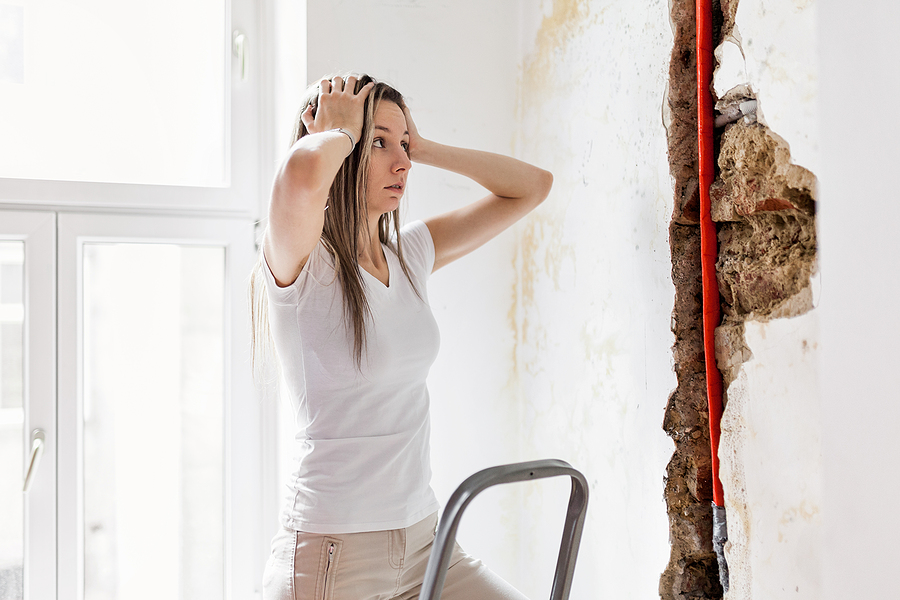
Water flowing smoothly through your home provides comfort and convenience, but a sudden pipe failure can quickly turn your sanctuary into a source of immense stress. A minor drip or slow drain might seem harmless initially. Over time, these small imperfections can degrade your property and lead to overwhelming financial burdens.

Routine plumbing inspections act as a vital shield against these unexpected disasters. A licensed professional can identify hidden vulnerabilities behind your walls and beneath your floors long before they cause catastrophic damage. Taking a proactive approach allows you to maintain a healthy home environment while keeping your finances intact.

Knowing how a plumbing system deteriorates helps you appreciate the profound impact of preventative care. By scheduling regular assessments, you safeguard your most valuable asset and secure peace of mind for you and your family.
Call 317-784-1870 for Affordable Home Plumbing Inspections in Indianapolis

Understanding the True Value of a Plumbing Inspection

A professional plumbing evaluation goes far beyond checking for obvious drips under the sink. It is a comprehensive health check for your home’s entire water infrastructure.

Beyond the Quick Fix: Catching Problems Early

Most homeowners only call a plumber when a pipe bursts or a toilet overflows. Waiting for a disaster guarantees a stressful situation and a massive repair bill. Routine inspections detect silent threats, such as micro-leaks, early-stage corrosion, and hairline cracks. Addressing these minor faults early prevents them from escalating into structural damage or hazardous mold growth.

The Lifespan of Your Plumbing System

Pipes and fixtures endure constant pressure and daily use. Consistent maintenance adds years, if not decades, to the life of these systems. Routine care prevents premature deterioration caused by rust, high water pressure, or mineral scaling. When you actively maintain your pipes and appliances, you significantly delay the need for a full, expensive system replacement.

Common Plumbing Issues Prevented by Inspections

Your home’s plumbing faces numerous threats daily. A thorough inspection targets the specific vulnerabilities that cost homeowners the most money.

Leaks and Water Damage: A Costly Consequence

According to the Environmental Protection Agency, a household can waste nearly 10,000 gallons of water annually due to minor leaks. These unseen leaks weaken structural beams, ruin drywall, and encourage mold proliferation. Identifying and sealing a hidden leak early saves you from the devastating costs of extensive home restoration.

Drain Dilemmas: Blockages and Backups

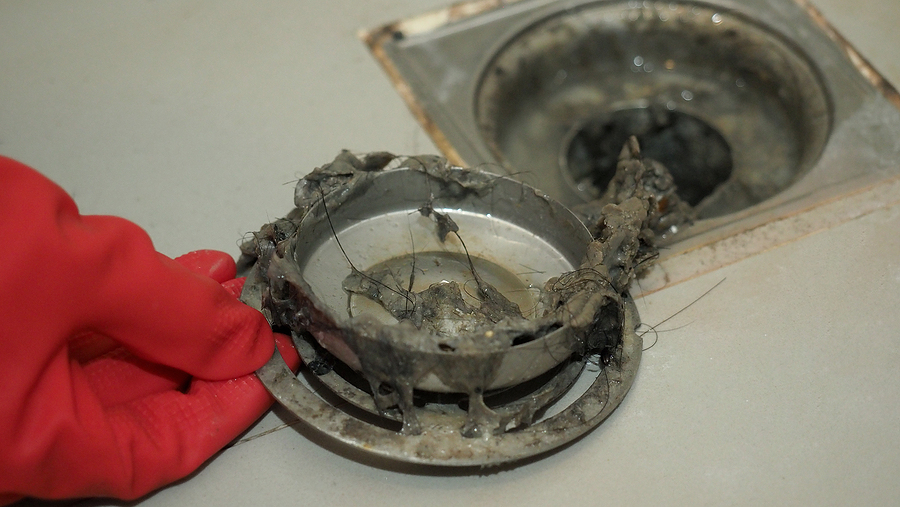
Slow drains often indicate a severe blockage forming deep within your sewer lines. Food waste, grease, hair, and intrusive tree roots gradually choke your pipes. A professional plumber can assess drainage performance to catch this buildup before it completely halts water flow and causes unsanitary sewage backups inside your living space.

Water Heater Woes: Maximizing Efficiency and Longevity

Your water heater works tirelessly to provide warm water, but sediment accumulation forces the unit to work harder and consume more energy. Plumbers check for mineral buildup, test pressure relief valves, and examine the tank for rust. In places like Indianapolis, Indiana, where hard water is prevalent, flushing the tank and inspecting components are critical steps to prevent premature unit failure and lower heating costs.

Pipe Problems: Corrosion and Cracks

Aging pipes are highly susceptible to corrosion and cracking. An inspector will check the integrity of your supply lines and drains, looking for weak joints and rust. Recognizing these signs early allows for targeted, affordable pipe repairs rather than a massive, whole house repiping project.

The Financial Benefits of Regular Plumbing Maintenance

Investing a small amount in maintenance yields a massive return on investment over the lifetime of your property.

Avoiding Emergency Repairs: Planning vs. Panic

Emergency plumbing situations frequently happen outside of standard business hours, leading to premium service charges. Plumbers typically charge emergency trip fees between $150 and $300, and that does not include the cost of the actual repair. Scheduled maintenance allows you to fix problems during standard hours at standard rates, entirely avoiding the panic and premium pricing of midnight plumbing disasters.

Lowering Your Utility Bills: Efficiency Saves Money

A system plagued by leaks and sediment buildup is inherently inefficient. Fixing a dripping faucet or a running toilet directly lowers your monthly water bill. Furthermore, optimizing a water heater can reduce your energy consumption by up to 15%. Over a few years, these monthly utility savings easily cover the cost of your annual inspection.

Protecting Your Property Value

A well-maintained plumbing system is a massive selling point for potential buyers. A documented history of professional inspections proves that the home has been cared for meticulously. Buyers will pay a premium for a home that promises reliable, efficient plumbing free of hidden water damage.

Insurance Implications: Proactive vs. Reactive

The average water damage insurance claim exceeds $10,000. Many insurance policies mandate that a homeowner properly maintains their property to receive coverage. If a massive leak occurs due to obvious, long-term neglect, your insurance provider might deny your claim entirely. Regular inspections provide documented proof of maintenance, ensuring you remain protected by your policy.

What to Expect During a Professional Plumbing Inspection

Understanding the inspection process helps you realize why a trained professional is necessary to evaluate your home effectively.

A Thorough Examination of Your Home’s Plumbing

A licensed plumber will visually check all visible pipes, fixtures, and water-using appliances. They inspect toilets, sinks, bathtubs, water heaters, and outdoor hose bibs. They verify that everything drains correctly, water pressure sits at a safe level, and all safety valves function appropriately.

Advanced Tools and Techniques

Professionals utilize specialized equipment to see what the naked eye cannot. They employ high-definition sewer cameras to travel deep into underground pipes, spotting blockages and root intrusions without digging up your yard. They also use moisture meters and thermal imaging to find hidden leaks behind walls, ensuring no drop of escaping water goes unnoticed.

Detailed Reports and Recommendations

Following the assessment, you will receive a comprehensive written report detailing the health of your system. The plumber will outline any immediate threats, highlight potential future issues, and provide actionable recommendations. This roadmap allows you to prioritize repairs based on your budget and the urgency of the problem.

When Should You Schedule a Plumbing Inspection?

Timing is crucial when protecting your home’s infrastructure. Knowing when to call a professional keeps you ahead of potential disasters.

Annual Check-ups: The Gold Standard

For optimal protection, homeowners should schedule a plumbing inspection once a year. If you live in an older home with aging pipes, annual evaluations are absolutely essential to monitor for rapid deterioration.

Before Buying or Selling a Home

Standard home inspections frequently miss deep-rooted plumbing issues. If you are purchasing a property, a dedicated plumbing evaluation protects you from buying a home with a failing sewer line. If you are selling, an inspection helps you fix minor issues beforehand, preventing buyers from demanding massive price reductions during negotiations.

If You Notice Any Warning Signs

Never ignore the subtle cries for help from your plumbing. If you experience fluctuating water pressure, notice damp spots on your ceilings, hear gurgling sounds from your drains, or smell foul odors, schedule an inspection immediately. Early intervention stops these symptoms from becoming full-scale emergencies.

Frequently Asked Questions

How often should I have my plumbing inspected?

Industry professionals strongly recommend scheduling a plumbing inspection once every year. Homes older than 40 years or those surrounded by large trees may require more frequent checks to monitor aging pipes and root intrusions.

Can I do a plumbing inspection myself?

While you can routinely check for visible leaks under sinks or test your water heater’s temperature, a true inspection requires a licensed professional. Plumbers possess the training to spot subtle warning signs and use advanced tools like sewer cameras and moisture meters to detect hidden problems.

What are the signs I need a plumbing inspection?

You should schedule an inspection if you notice a sudden, unexplained spike in your water bill. Other red flags include constantly running toilets, slow drains throughout the house, foul odors emanating from sinks, or visible water stains on your walls and ceilings.

How much does a plumbing inspection cost?

Plumbing inspection prices vary depending on the size of your home and the depth of the assessment. A basic visual inspection usually ranges from $100 to $200. A comprehensive inspection that includes a sewer line camera evaluation typically averages around $300.

Investing in Your Home’s Future

A healthy plumbing system forms the foundation of a comfortable, safe home. By embracing routine maintenance, you actively protect your property from devastating water damage and prevent minor issues from draining your bank account. Professional assessments grant you the clarity to make informed decisions about your home’s upkeep, ensuring your pipes and fixtures serve you reliably for decades to come.

Request a comprehensive plumbing inspection in Indianapolis, Indiana. Request a free estimate today!

Call Now to Book Service

Related Post: Money-Saving Plumbing Tips You Don’t Want to Ignore
Winter Plumbing Tips: How to Protect Your Pipes from Freezing

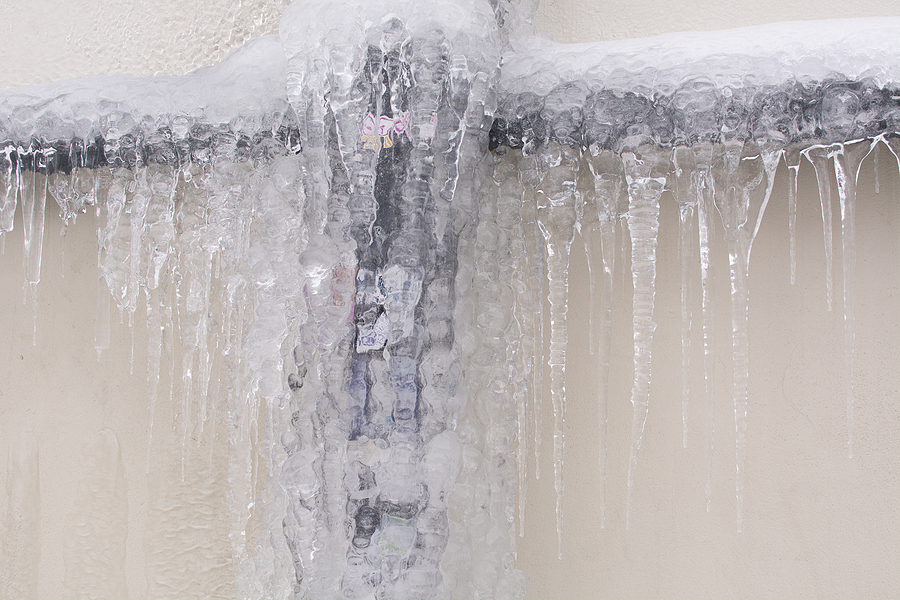
A fresh blanket of snow can turn an Indiana winter into a picturesque scene, but those dropping temperatures bring hidden dangers to your home. While you’re bundling up in coats and scarves, the water inside your plumbing system is at risk of freezing. A frozen pipe isn’t just a minor inconvenience that stops the water flow; it’s a ticking time bomb that can lead to catastrophic bursts and thousands of dollars in water damage.

Winterizing your home is an essential part of responsible homeownership. By taking a few proactive steps before and during the coldest months, you can safeguard your property against the harsh elements. This guide explores why pipes freeze, how to prepare your home, and what steps to take if you find yourself facing a plumbing emergency.

Call 317-784-1870 For Frozen Pipe Plumbing Repair in Indianapolis

Why Frozen Pipes Are a Major Problem

Water has a unique property that makes it particularly dangerous for your plumbing: it expands when it freezes. This expansion puts tremendous pressure on whatever is containing it, whether that’s metal or plastic piping. No matter the strength of the container, expanding water can cause pipes to break.

The damage often isn’t immediately visible. A crack as small as one-eighth of an inch can spew up to 250 gallons of water a day, causing flooding, structural damage, and the potential for mold growth. The pipes most at risk are those located in unheated interior spaces such as basements, attics, and garages. However, even pipes running through cabinets or exterior walls can freeze if the temperature drops low enough.

Understanding these risks underscores why preparation is not just recommended—it is necessary.

Plumbing Preparation Before Winter Hits

The best time to protect your home is before the first deep freeze settles in. Taking preventative measures in the fall can save you significant stress and expense later.

Insulate Your Pipes

Insulation acts as a barrier, keeping the heat in and the cold out. Focus on insulating pipes in unheated areas like the garage, crawl spaces, and the attic. You can purchase pipe sleeves or UL-listed heat tape from your local hardware store. Even a quarter-inch of newspaper can provide some degree of protection in areas that usually don’t see frequent freezing temperatures, though professional insulation materials are far more effective.

Seal Leaks and Cracks

Cold air drafts are a pipe’s worst enemy. Inspect your home for cracks and openings around windows, doors, and sill plates where the house rests on its foundation. Seal these gaps with caulk or insulation to keep cold air from reaching your plumbing. Don’t forget to seal basements and crawl spaces as tightly as possible; if you have a crawl space, use vents and doors to eliminate drafts.

Manage Outdoor Plumbing

Outdoor hoses and faucets are often the first to freeze. Disconnect, drain, and store all garden hoses. Close the inside valves supplying outdoor hose bibs, then open the outside hose bibs to allow any remaining water to drain. Keeping the outside valve open ensures that any water left in the pipe can expand without causing the pipe to break.

Request a Home Plumbing Inspection Right Now

Protecting Your Plumbing During Winter Months

Once winter arrives, your daily habits can play a significant role in preventing frozen pipes.

Maintain a Consistent Thermostat

It might be tempting to lower the heat at night or when you’re at work to save on energy bills, but keeping a consistent temperature is safer for your plumbing. Fluctuating temperatures can increase the risk of freezing. If you plan to be away during cold weather, leave the heat on in your home and set the thermostat to a temperature no lower than 55° F.

Let Faucets Drip

When the weather outside is extremely cold, let the cold water drip from the faucet served by exposed pipes. Running water through the pipe—even at a trickle—helps prevent pipes from freezing because moving water is harder to freeze than standing water.

Open Cabinet Doors

Pipes located under kitchen and bathroom sinks are often insulated from the room’s heat by cabinet doors. By keeping these doors open, you allow warmer air to circulate around the plumbing. If you have small children or pets, be sure to remove any harmful cleaners or household chemicals from the open cabinets to keep them safe.

Know Your Master Shut-Off Valve

In the event of a burst pipe, speed is everything. Every member of your household should know where the master water shut-off valve is located and how to turn it off. This simple knowledge can be the difference between a minor cleanup and a major disaster.

Steps to Take If Your Pipes Freeze

If you turn on a faucet and only a trickle comes out, suspect a frozen pipe. Likely places for frozen pipes include against exterior walls or where your water service enters your home through the foundation.

Locate the Frozen Section

Check all other faucets in your home to find out if you have additional frozen pipes. If one pipe freezes, others may freeze, too. Once you identify the problem area, keep the faucet open. As you treat the frozen pipe and the frozen area begins to melt, water will begin to flow through the frozen area.

Safe Thawing Techniques

Apply heat to the section of pipe using an electric heating pad wrapped around the pipe, an electric hair dryer, or a portable space heater (kept away from flammable materials). You can also wrap pipes with towels soaked in hot water.

Crucial Safety Warning: Never attempt to thaw a pipe with a torch, kerosene or propane heater, charcoal stove, or other open flame device. This is extremely dangerous and can damage the pipes or even start a fire.

Apply heat until full water pressure is restored. If you are unable to locate the frozen area, if the frozen area is not accessible, or if you simply cannot thaw the pipe, do not hesitate to seek professional help.

When to Call a Professional Plumber

While many minor issues can be handled with DIY methods, knowing when to call a professional is vital. You should contact a licensed plumber if:

  • You cannot locate the frozen pipe.
  • The pipe has already burst.
  • You are unable to thaw the pipe using safe methods.
  • You suspect the freezing has occurred outside your home’s main structure (like the water main).

Attempting to fix complex plumbing issues without the proper tools or knowledge can lead to further damage. Professional plumbers have the expertise to safely thaw pipes and repair any damage that has occurred.

Staying Warm and Dry

Winter is a beautiful season, but it demands respect and preparation. By insulating vulnerable pipes, sealing drafts, and maintaining consistent home temperatures, you can significantly reduce the risk of frozen pipes. Remember, a little preparation goes a long way in protecting your home from water damage.

Stay vigilant during cold snaps, and don’t hesitate to reach out for professional assistance if you suspect a problem. With these tips in hand, you can enjoy the winter season with peace of mind, knowing your home is protected.

Do you need help preparing your home for winter? Weilhammer Plumbing Company is here to help. Whether you need an inspection to identify vulnerable pipes or emergency repairs for a burst line, our team provides reliable master plumber service (License #106214) to keep your home safe and dry.

Call Now to Book Service

Related Post: 4 Plumbing Problems That are Common in the Winter

How to Detect and Fix a Hidden Pipe Leak

A small drip behind your wall might seem harmless, but hidden pipe leaks can quietly wreak havoc on your home. Left unchecked, these leaks lead to costly water damage, structural issues, and mold growth that threatens both your property and your health. The challenge is that many plumbing leaks remain out of sight until significant damage has already occurred.

Understanding how to identify and address water leaks early can save you thousands of dollars in repairs and protect your home’s structural integrity. Whether you’re a homeowner concerned about property protection, a DIY enthusiast ready to tackle basic plumbing, or a renter who needs to alert your landlord to potential issues, knowing the warning signs and detection methods is essential.

This guide will walk you through the telltale signs of hidden pipe leaks, effective leak detection techniques, repair options, and preventative measures to keep your plumbing system in top condition.

Call 317-784-1870 For Pipe Leak Detection & Repair in Indianapolis Indiana

Recognizing the Signs of a Hidden Leak

Hidden pipe leaks rarely announce themselves with obvious puddles or gushing water. Instead, they reveal their presence through subtle indicators that homeowners often overlook until damage becomes severe.

Water Stains and Discoloration

One of the most visible signs of a hidden leak is discoloration on walls, ceilings, or floors. These stains typically appear as yellowish or brownish patches and may expand over time. You might also notice paint or wallpaper that bubbles, peels, or feels damp to the touch. These symptoms indicate moisture accumulation behind your walls or above your ceilings.

Mold and Mildew Growth

Persistent moisture from plumbing leaks creates the perfect environment for mold and mildew. If you notice musty odors in certain rooms or see black, green, or white patches forming on walls or in corners, a hidden leak may be feeding fungal growth. This poses serious health risks, particularly for individuals with respiratory conditions or allergies.

Unusual Sounds

Listen for the sound of running water when all faucets and appliances are turned off. Hissing, dripping, or trickling sounds coming from walls, floors, or ceilings often indicate active leaks. These sounds may be more noticeable at night when your home is quiet.

Unexplained Increases in Water Bills

A sudden spike in your water bill without changes to your usage patterns is a red flag. Even small, continuous leaks can waste significant amounts of water over time, resulting in higher monthly costs.

Decreased Water Pressure

If you notice reduced water pressure at multiple fixtures throughout your home, it could signal a leak in your main water line. While decreased pressure can have other causes, it’s worth investigating when combined with other warning signs.

Effective Methods for Leak Detection

Once you suspect a hidden leak, several techniques can help pinpoint its location before significant damage occurs.

Water Meter Test

Your water meter provides a simple way to confirm whether you have a leak. Turn off all water sources in your home, including faucets, appliances, and irrigation systems. Check your water meter and record the reading. Wait for two hours without using any water, then check the meter again. If the reading has changed, you likely have a leak somewhere in your plumbing system.

Pressure Test

A pressure test can reveal leaks in your water supply lines. Turn off the main water valve and attach a pressure gauge to an outdoor faucet or hose bib. Open the valve slightly and observe the pressure reading. If the pressure drops significantly over the course of an hour, you have a leak that needs attention.

Moisture Meters

Professional plumbers and DIY homeowners alike use moisture meters to detect hidden water damage. These handheld devices measure moisture levels in walls, floors, and ceilings, helping identify problem areas without invasive testing. Moisture meters are particularly useful for confirming leak locations before cutting into walls or floors.

Leak Detection Kits

Leak detection kits available at hardware stores contain dye tablets or liquids that make leaks visible. Add the dye to your toilet tank, and if color appears in the bowl without flushing, you have a leak. Some kits include acoustic sensors that detect the sound of water escaping from pipes, making them valuable tools for homeowners tackling leak detection on their own.

Professional Leak Detection Equipment

When DIY methods fall short, professional plumbers employ advanced technology to locate hidden leaks. Thermal imaging cameras detect temperature differences caused by water leaks, while acoustic listening devices amplify the sound of water escaping from pipes. These non-invasive techniques minimize property damage while accurately pinpointing leak locations.

Repairing Water Leaks

The appropriate repair method depends on the leak’s severity and location. Some minor leaks can be addressed with basic DIY skills, while others require professional intervention.

Minor Repairs You Can Handle

For small leaks at pipe joints or connections, pipe repair clamps offer a quick, temporary solution. These metal clamps wrap around the damaged section and compress a rubber gasket against the pipe, stopping the leak. While not a permanent fix, repair clamps buy you time until a professional plumber can make lasting repairs.

Epoxy putty provides another option for minor leaks. This moldable compound seals small holes or cracks in pipes when applied directly to the damaged area. Follow the manufacturer’s instructions carefully, ensuring the pipe surface is clean and dry before application.

When to Call a Professional Plumber

Major leaks, those affecting main water lines, or damage requiring access to pipes behind walls demand professional expertise. A licensed plumbing company has the tools, experience, and knowledge to diagnose complex issues and execute repairs that comply with building codes.

Don’t delay calling a professional plumber if you notice any of the following:

  • Water damage spreading rapidly
  • Leaks near electrical systems
  • Multiple leaks throughout your home
  • Damage to structural components
  • Situations requiring pipe replacement

Attempting complex plumbing repairs without proper training can worsen damage and create safety hazards. The cost of hiring a professional plumber is far less than the expense of repairing additional damage caused by improper repairs.

Request Professional Water Leak Repair Today!

Preventing Future Pipe Leaks

Prevention is your most powerful tool for protecting your home from the devastating effects of hidden pipe leaks. Regular maintenance and proactive measures significantly reduce the risk of plumbing emergencies.

Schedule Regular Plumbing Inspections

Annual inspections by a qualified plumbing company help identify potential problems before they escalate into costly repairs. Professional plumbers examine your entire system, checking for corrosion, loose connections, and signs of wear that could lead to future leaks.

Monitor Water Pressure

Excessive water pressure strains your plumbing system and accelerates wear on pipes and fixtures. Install a pressure regulator if your home’s water pressure exceeds 80 psi. This simple device extends the lifespan of your plumbing and reduces the likelihood of leaks.

Insulate Exposed Pipes

Pipes in unheated areas like basements, crawl spaces, and attics are vulnerable to freezing during cold weather. Frozen pipes often burst, causing extensive water damage. Wrap exposed pipes with foam insulation sleeves to protect them from temperature extremes.

Replace Old Plumbing

Older homes with galvanized steel or polybutylene pipes face higher leak risks due to corrosion and material degradation. If your home contains aging plumbing, consider replacing it with modern plumbing materials like copper or PEX. While this represents a significant investment, it provides peace of mind and protects your property value.

Address Minor Issues Promptly

Small drips and minor leaks may seem insignificant, but they indicate underlying problems that will worsen over time. Fix leaky faucets, running toilets, and loose pipe connections as soon as you notice them. These quick repairs prevent minor issues from developing into major plumbing emergencies.

The True Cost of Ignoring Hidden Leaks

Delaying action on suspected pipe leaks carries serious financial and health consequences. Understanding these risks emphasizes the importance of prompt leak detection and repair.

Water waste from even small leaks increases your monthly water bill substantially. A faucet dripping once per second wastes over 3,000 gallons annually. Hidden pipe leaks often flow at higher rates, resulting in hundreds of dollars in wasted water each year.

Structural damage presents an even greater concern. Water seeping into walls, floors, and ceilings weakens building materials, compromising your home’s structural integrity. Repairing water-damaged drywall, flooring, and framing costs thousands of dollars and may require extensive reconstruction.

Mold growth triggered by persistent moisture creates health hazards and requires professional remediation. Mold removal services are expensive, and lingering spores can cause respiratory problems, allergic reactions, and other health issues for occupants.

Personal property damage adds to the financial burden. Furniture, electronics, clothing, and sentimental items exposed to water may be damaged beyond repair. Homeowners insurance may not cover all losses, particularly if damage resulted from neglected maintenance.

Perhaps most concerning, unresolved leaks can trigger major plumbing emergencies. A small leak that weakens a pipe can eventually cause a catastrophic failure, flooding your home and requiring emergency repairs. The expense of addressing a plumbing emergency far exceeds the cost of detecting and repairing a hidden leak early.

Final Thoughts

Hidden pipe leaks pose serious threats to your property, finances, and health. By recognizing the warning signs, using effective leak detection methods, addressing repairs promptly, and implementing preventative maintenance, you protect your investment and avoid costly damage.

Don’t wait for a minor leak to become a major disaster. If you’ve noticed any signs of hidden water leaks or simply want peace of mind about your plumbing system’s condition, schedule a professional plumbing inspection today.

Taking action now prevents the stress, expense, and disruption of major plumbing emergencies later. Your home deserves proactive care that keeps it safe, dry, and structurally sound for years to come.

For Indianapolis homeowners seeking trusted plumbing expertise, Weilhammer Plumbing Co. Inc. offers comprehensive leak detection and repair services. Our experienced team uses advanced technology to locate hidden leaks and provide lasting solutions that protect your home.

Book a Professional Plumbing Inspection

Related Post: Slab Leaks: A Silent Threat to Your Property’s Structural Integrity

Simple Plumbing Tips to Keep Your Drains Flowing Freely

Nothing disrupts your morning routine quite like standing water in your bathroom sink or a kitchen drain that refuses to empty. Clogged drains are among the most common household plumbing issues, often accompanied by unpleasant odors, slow drainage, and the looming threat of expensive emergency repairs. Understanding the root causes of drain blockages and implementing preventative measures can save you both frustration and money while keeping your plumbing system running smoothly.

Most drain clogs develop gradually over time, making prevention far more effective than reactive repairs. By addressing the common culprits before they become major problems, you can maintain clear drains and avoid the inconvenience of calling for emergency plumbing services. The key lies in understanding what causes blockages and adopting simple daily habits that protect your drainage system.

Call 317-784-1870 For Affordable Clogged Drain Inspection & Repair in Indianapolis

Common Culprits Behind Drain Blockages

Hair Accumulation

Hair represents one of the primary causes of bathroom drain clogs. Every time you shower or wash your hair at the sink, loose strands travel down the drain, where they combine with soap residue and other debris to form stubborn blockages. Over time, these hair clumps can completely obstruct water flow, leading to standing water and potential overflow issues.

The problem intensifies when hair combines with soap scum, creating a sticky mass that adheres to pipe walls. This combination becomes increasingly difficult to remove as it hardens and attracts additional debris.

Food Waste and Grease

Kitchen drains face unique challenges from food particles and cooking byproducts. Even with a garbage disposal, certain items should never go down your drain. Coffee grounds, eggshells, and fibrous vegetables can accumulate in pipes, while starchy foods like pasta and rice expand when exposed to water, creating significant blockages.

Cooking grease poses a particularly serious threat to drain health. When you pour hot grease down the drain after preparing bacon or frying chicken, it travels through your pipes in liquid form. However, as the grease cools, it solidifies and adheres to pipe walls, gradually narrowing the opening and trapping other debris. This creates a compounding effect where each subsequent use adds to the blockage.

Mineral Buildup

Hard water contains elevated levels of calcium and magnesium minerals that gradually accumulate inside your pipes. This mineral buildup restricts water flow over time, creating rough surfaces that catch debris more easily. Areas with particularly hard water may notice white, chalky deposits around faucets and drains—clear indicators of mineral accumulation throughout the plumbing system.

The gradual nature of mineral buildup makes it especially problematic, as homeowners often don’t notice the reduced flow until the restriction becomes severe.

Preventative Measures for Drain Maintenance

Install Drain Screens and Strainers

A simple drain screen can prevent most solid debris from entering your plumbing system. These inexpensive devices catch hair, food particles, and other materials before they can travel down your pipes. For bathroom drains, choose screens with fine mesh that can capture even small hair strands, while kitchen sinks benefit from strainers designed to handle food waste.

Clean these screens regularly—weekly for high-use drains—to maintain their effectiveness. The small investment in quality drain screens can save hundreds of dollars in professional drain cleaning services and prevent the inconvenience of emergency clogs.

Proper Grease Disposal

Instead of pouring cooking grease down the drain, allow it to cool and solidify in the pan, then scrape it into the trash. For liquid oils, collect them in a disposable container and throw it away once full. This simple practice prevents the most common cause of kitchen drain clogs while protecting your pipes from long-term damage.

When washing greasy dishes, use hot water and plenty of dish soap to break down residual oils before they enter your drainage system.

Regular Drain Flushing

Flush your drains weekly with hot water to remove soap residue and minor accumulations before they become problematic. For bathroom drains, run hot water for 30-60 seconds after each use to help dissolve soap scum and flush away loose hair.

Be cautious with water temperature if you have PVC pipes, as extremely hot water can damage these materials. Moderately hot tap water provides effective cleaning without risking pipe damage.

Water Softener Installation

For homes with hard water, installing a water softener or conditioning system can significantly reduce mineral buildup in pipes and fixtures. These systems replace calcium and magnesium ions with sodium, preventing the scale formation that narrows pipes and creates rough surfaces for debris accumulation.

Regular descaling treatments can also help remove existing mineral deposits and restore proper water flow.

Book Affordable Plumbing Repair Service Today!

DIY Solutions for Minor Clogs

Baking Soda and Vinegar Method

This natural drain cleaning solution effectively breaks down organic matter and soap residue without harsh chemicals. Pour 1/3 cup of baking soda down the drain, followed immediately by 1/3 cup of white vinegar. Cover the drain opening with a plug or cloth to contain the reaction, then wait 30 minutes.

After the waiting period, flush the drain with hot water to wash away loosened debris. This method works particularly well for minor organic clogs and regular maintenance cleaning.

Boiling Water Treatment (Use caution)

For grease-related clogs, carefully pour boiling water down the drain in two or three stages, allowing time between pours for the water to work through the blockage. The extreme heat helps dissolve solidified grease and flush it through the system.

Exercise caution with PVC pipes, as boiling water can soften or damage these materials. For PVC systems, use the hottest tap water available instead of boiling water.

Plunger Technique

Different drains require specific plunger types for maximum effectiveness. Use a flat-bottomed plunger for sinks and a flange plunger for toilets, ensuring you create a tight seal around the drain opening. Apply firm, consistent pressure with quick up-and-down motions to dislodge blockages.

For double sinks, seal the second drain opening while plunging to maintain proper pressure and suction.

Wire Hanger Method

Straighten a wire coat hanger and bend a small hook at one end to create a simple drain snake. Carefully insert the hooked end into the drain and fish for hair clumps and debris. This method proves particularly effective for bathroom drain clogs caused by hair accumulation.

Work slowly and carefully to avoid pushing the blockage deeper into the pipe system.

When to Call Professional Help

Persistent Clogs

If DIY methods fail to resolve the issue after multiple attempts, professional intervention becomes necessary. Recurring clogs often indicate deeper problems within your plumbing system that require specialized equipment and expertise to address properly.

Professional plumbers have access to motorized augers and hydro-jetting equipment that can clear stubborn blockages and clean pipe walls thoroughly.

Multiple Drain Issues

When several drains in your home experience problems simultaneously, the issue likely lies in your main sewer line rather than individual fixtures. This situation requires professional diagnosis and specialized equipment to resolve safely and effectively.

Signs of Pipe Damage

Unusual sounds, persistent odors, or water backing up in unexpected locations may indicate pipe damage or major blockages that require professional attention. Attempting to resolve these issues without proper training can lead to more extensive damage and higher repair costs.

Professional drain inspection services can identify problems early and prevent major failures that could result in water damage or health hazards.

Conclusion

Regular drain maintenance represents a small investment that yields significant returns in convenience, cost savings, and peace of mind. By implementing these preventative measures and addressing minor issues promptly, you can avoid the frustration of major clogs and the expense of emergency plumbing services.

Remember that your drainage system works continuously to remove waste water from your home. Treating it with care through proper use and regular maintenance ensures reliable performance for years to come. Simple daily habits like using drain screens, proper grease disposal, and regular hot water flushing can prevent most common drain problems before they develop.

Don’t wait for a major clog to disrupt your routine—schedule a drain inspection today to identify potential issues before they become costly emergencies. Our licensed plumbers can help you protect your drainage system and keep your home running smoothly!

Call Plumber Mark Now

Related Post: 8 Tips for Unclogging Drains with DIY Solutions

The Ultimate Guide to Maintaining Your Home’s Plumbing System

A well-maintained plumbing system is the backbone of a comfortable home, yet many homeowners don’t think about their pipes, drains, and fixtures until something goes wrong. By the time you notice a major plumbing problem, you could be facing expensive repairs and potential water damage that affects your entire property.

Proper plumbing maintenance isn’t just about fixing issues when they arise—it’s about preventing them from happening in the first place. Regular upkeep can extend the life of your plumbing system, reduce water waste, and save you thousands of dollars in emergency repairs. Whether you’re a seasoned DIY enthusiast or new to home maintenance, understanding the basics of plumbing care will help you protect one of your home’s most essential systems.

This comprehensive guide will walk you through the key aspects of home plumbing maintenance, from simple daily checks to seasonal preparations. You’ll learn when you can handle tasks yourself and when it’s time to call a professional plumbing company for assistance.

Call 317-784-1870 For Home Plumbing Maintenance in Indianapolis
Call 317-784-1870 For Home Plumbing Maintenance and Repair in Indianapolis

Residential Plumbing Maintenance 101

Regular Checks for Leaks and Drips

The foundation of effective plumbing maintenance lies in conducting regular inspections throughout your home. Small plumbing leaks might seem insignificant, but they can waste thousands of gallons of water annually and lead to costly damage if left unchecked.

Inspect Visible Pipes

Start your inspection routine by examining all visible pipes, particularly those under sinks, around your water heater, and in your basement or crawl space. Look for signs of moisture, discoloration, or mineral deposits that indicate ongoing leaks. Check the connections where pipes join together, as these areas are prone to developing leaks over time.

Address Dripping Faucets

A dripping faucet represents one of the most common plumbing problems homeowners face. A single leaky faucet can waste gallons of water over time, driving up your utility bills unnecessarily. In many cases, you can stop the leak by replacing a worn-out washer—a simple fix that requires shutting off the water supply, disassembling the faucet handle, and installing a new washer of the same size.

Check Toilets for Leaks

Don’t forget to inspect your toilet for leaks, which often go unnoticed. Add a few drops of food coloring to the toilet tank and wait 15 minutes. If color appears in the bowl without flushing, you have a leak that needs attention. These toilet leaks typically result from a warped flapper or faulty chain mechanism.

How to Unclog Drains Safely

Drain clogs are inevitable in any home, but how you address them makes all the difference for your plumbing system’s longevity. Many homeowners reach for chemical drain cleaners, but these harsh products can corrode pipes and create more problems than they solve. 

Use a Plunger Correctly 

The most effective first step for a clogged drain involves using a plunger correctly. For sink drains, ensure you have a good seal around the drain opening and use firm, consistent plunging motions. The suction and pressure created by proper plunging can dislodge most minor blockages without damaging your pipes. 

Try the Baking Soda and Vinegar Method 

For a natural and effective drain cleaning solution, try the baking soda and vinegar method. Pour one cup of baking soda down the drain, followed by one cup of white vinegar. Cover the drain with a plug or cloth for 15 minutes, then flush with hot water. This combination creates a fizzing action that can break down organic matter and clear minor blockages. 

Use a Drain Snake for Deeper Clogs 

When plunging doesn’t work, a drain snake becomes your next tool of choice. Feed the snake into the drain while turning the handle clockwise, allowing it to grab onto hair, soap buildup, and other debris. This method reaches clogs deeper in the drain pipes that plunging cannot address.

Winterizing Your Plumbing to Prevent Freezing

Protecting your plumbing system from freezing temperatures is crucial for preventing burst pipes and costly water damage. Frozen pipes can expand and crack, leading to flooding when temperatures rise and the ice melts. 

Insulate Exposed Pipes 

Begin your winterization process by insulating exposed pipes with foam sleeves, particularly those in unheated areas like basements, crawl spaces, and garages. These inexpensive foam insulators slip over pipes easily and provide essential protection against freezing temperatures. 

Focus on Outdoor Faucets and Hoses 

Pay special attention to outdoor faucets and hose connections. Disconnect and drain all garden hoses, then shut off the water supply to exterior faucets from inside your home. Open the outdoor faucets to drain any remaining water, as even small amounts can freeze and cause damage. 

Allow Warm Air to Circulate 

Keep cabinet doors open under sinks during extremely cold weather to allow warm air to circulate around the pipes. 

Maintain Safe Temperatures When Away 

If you’re leaving town during winter months, maintain your home’s temperature at least 55 degrees Fahrenheit and ask someone to check on your property regularly.

Contact Us for Expert Plumbing Repair Services 🪠✨

Maintaining Your Water Heater

Your water heater works hard to provide hot water for showers, dishes, and laundry, but it requires regular maintenance to operate efficiently and safely. Sediment buildup is one of the most common issues that affects water heater performance and lifespan.

Flush Your Water Heater Tank Annually 

Flushing your water heater tank annually removes sediment buildup that accumulates at the bottom of the tank. Turn off the power supply and water inlet valve, then connect a garden hose to the drain valve at the tank’s bottom. Open the valve and drain several gallons of water until it runs clear. This simple maintenance task improves efficiency and extends your water heater’s life.

Check the Temperature and Pressure Relief Valve 

Check the temperature and pressure relief valve by lifting the lever slightly to ensure water flows out and stops when you release it. This safety valve prevents dangerous pressure buildup, so replace it immediately if it doesn’t function properly.

Inspect the Anode Rod Regularly 

Inspect the anode rod every few years, as this component protects your tank from corrosion. If the rod is heavily corroded or less than half an inch thick, replacement is necessary. This maintenance step can add years to your water heater’s lifespan.

When to Call a Professional Plumber

While many plumbing maintenance tasks are suitable for DIY homeowners, certain situations require professional expertise. Recognizing when to call a master plumber service can prevent minor issues from becoming major disasters. 

Seeing Some Common Signs

Contact a professional plumbing company immediately if you experience multiple drain clogs throughout your home, as this often indicates a main sewer line problem. Similarly, sudden drops in water pressure, discolored water, or sewage odors require professional diagnosis and plumbing repair. 

Sump Pump Repair and Replacement

Sump pump repair should always be handled by professionals, as these systems protect your home from flooding during heavy rains. Regular testing involves pouring water into the pit to ensure the pump activates, but repairs and installations require specialized knowledge. 

Major Plumbing Installations and Local Regulations 

Major installations, such as new fixtures, pipe replacements, or water heater installations, typically require permits and must comply with local plumbing codes. Homeowners in Indianapolis should check with the City’s Department of Water Management for current regulations regarding backflow prevention, water conservation, and waste disposal requirements.

Essential Tools Every Homeowner Should Have

Having the right tools makes basic plumbing maintenance much easier and more effective. A quality plunger remains essential for clearing clogged drains and should be part of every homeowner’s toolkit. Choose a cup plunger for sinks and a flange plunger for toilets.

An adjustable wrench proves useful for tightening or loosening nuts and bolts throughout your plumbing system. Pair this with tongue-and-groove pliers for gripping and turning various plumbing components.

A basin wrench, designed specifically for reaching nuts in tight spaces under sinks, saves time and frustration during faucet repairs.

Plumber’s tape (also called Teflon tape) helps seal pipe threads to prevent leaks when installing or repairing threaded connections.

A drain snake allows you to tackle stubborn clogs that resist plunging, making it a valuable addition to your plumbing toolkit.

Common Mistakes That Cost Homeowners Money

Over-Tightening Fittings 

Understanding common plumbing maintenance mistakes helps you avoid costly errors that can damage your system. Over-tightening fittings ranks among the most frequent mistakes, as excessive force can damage threads and actually cause leaks rather than prevent them.

Using Chemical Drain Cleaners 

Using chemical drain cleaners excessively corrodes pipes over time, particularly older metal pipes. These harsh chemicals can also damage rubber seals and gaskets throughout your plumbing system. Stick to mechanical methods and natural cleaning solutions for safer drain maintenance.

Ignoring Minor Leaks 

Many homeowners ignore minor leaks, thinking they’ll address them later. However, even small leaks can escalate into major water damage, mold growth, and structural problems. Address leaks promptly to prevent expensive consequences.

Improper Disposal of Grease and Debris 

Improper disposal of grease, food scraps, and other debris down drains creates blockages and can damage your entire plumbing system. Dispose of grease in the trash after it cools and solidifies, and use drain screens to catch food particles.

Key Takeaways

Maintaining your home’s plumbing system requires consistent attention and the right approach to both prevention and repairs. Regular inspections, proper winterization, and using appropriate tools and techniques will keep your plumbing running smoothly for years to come.

Remember that while many maintenance tasks are within reach of dedicated DIY homeowners, professional expertise becomes essential for complex repairs, installations, and emergency situations. Don’t hesitate to invest in professional plumbing services when the situation warrants it—the cost of proper repairs is always less than the expense of water damage and emergency fixes.

Start implementing these maintenance practices today, and your plumbing system will reward you with reliable performance and fewer unexpected problems.

For expert assistance with any plumbing challenges beyond your comfort level, Weilhammer Plumbing Company for professional plumbing services that keep your home’s water systems functioning perfectly. State-licensed master plumber Mark serves both residential and commercial clients.

Request a Free Estimate Now

Related Post: 7 Essential Tips for Maintaining Residential Plumbing

The Future is Here: Explore the Advantages of Trenchless Pipe Repair

Welcome to the era of innovation where advancements in technology are changing the way we approach everyday tasks. In the world of plumbing, a transformative method known as trenchless pipe repair is leaving traditional methods in the dust. Delivered by your trusted master plumber, this revolutionary repair strategy is redefining the game, offering numerous advantages over the conventional methods of digging and replacing plumbing pipes.

Join us as we delve into the future of pipe maintenance, exploring the impressive benefits of trenchless pipe repair.

Call 317-784-1870 For Trenchless Pipe Repair and Replacement in Indianapolis

What is Trenchless Pipe Repair?

Trenchless pipe repair involves repairing or replacing damaged plumbing pipes without the need for extensive digging. This method utilizes specialized equipment and techniques to access the pipes from above ground, eliminating the need for disruptive excavation.

Signs You Need Pipe Repair

The plumbing infrastructure in our homes is often out of sight and out of mind, making it easy to overlook potential issues. However, if you notice any of the following signs, it’s a good indication that your pipes may be in need of repair:

  • Slow draining sinks or toilets
  • Gurgling noises from drains
  • Foul odors emanating from fixtures or pipes
  • Visible signs of corrosion or damage to pipes

If you experience any of these warning signs, it’s crucial to call a master plumber for an inspection. Catching and addressing pipe issues early on can save you from more extensive and expensive repairs in the future.

The Advantages of Trenchless Pipe Repair

Cost-Effective

One of the primary advantages of trenchless pipe repair is its cost-effectiveness. Traditional methods of repairing or replacing plumbing pipes involve extensive digging, which can be time-consuming and costly. Trenchless pipe repair eliminates the need for excavation, reducing labor and equipment costs significantly.

Minimal disruption

Trenchless pipe repair also offers minimal disruption to your property and daily routine. With traditional methods, the digging process can cause damage to your landscape, driveway, or other structures on your property. Trenchless repairs minimize these disruptions and keep your property intact.

Faster Repair Time

Another significant advantage of trenchless pipe repair is its speed. Without the need for extensive digging, repairs can be completed much faster than traditional methods. This means you can get back to using your plumbing system without experiencing lengthy downtime.

Durable and Long-Lasting

Trenchless pipe repair utilizes high-quality materials that are built to last. These pipes have a longer lifespan than traditional pipes, saving you money in the long run by reducing the need for frequent repairs or replacements.

Environmentally Friendly

The trenchless method is also environmentally friendly. With minimal digging and less waste produced, it helps reduce the carbon footprint and environmental impact of traditional methods. This makes trenchless pipe repair a more sustainable option for your plumbing needs.

The Future of Plumbing Repair is Here

With its numerous advantages, trenchless pipe repair is quickly becoming the future of plumbing. Its innovative approach to repairs not only offers convenience but also saves time, money, and resources. As technology continues to advance, we can expect even more efficient and effective techniques to emerge for maintaining our plumbing systems.

Trust Your Master Plumber

When it comes to your plumbing needs, trust only a master plumber for trenchless pipe repair. With their expertise and specialized training in the latest techniques, they will ensure that your pipes are repaired efficiently and effectively without causing any unnecessary damage to your property.

Conclusion

The future is here, and with trenchless pipe repair, the advantages are clear. From cost-effectiveness to sustainability, this revolutionary method offers a range of benefits for homeowners and businesses alike. So, if you’re facing plumbing issues or simply looking to upgrade your system, consider the advantages of trenchless pipe repair and join the movement toward a more efficient and sustainable future.

The next time you have a plumbing problem, don’t hesitate to reach out to us right away! Contact Weilhammer Plumbing Company at 317-784-1870 for licensed and insured plumbing service in Indianapolis, Indiana. Our state-licensed master plumbers serve residential and commercial clients.

Related Posts:

Why Choose Trenchless Sewer Line Replacement Services
Facts About Residential Trenchless Water Line Repair
The Top 10 Plumbing Tips Every Homeowner Should Know

Plumbing Tips for Vacationing Homeowners: How to Shut Down Your House

It’s vacation season, the time when homeowners are often away, enjoying some well-earned rest and relaxation. But, what about your home’s plumbing system that is left behind? The last thing you want to come home to is a plumbing crisis.

This blog post will provide a handful of proactive residential plumbing tips to safeguard your plumbing system while you’re away, ensuring a stress-free homecoming. So, before you pack your bags and set your out-of-office message, take a moment to prepare your home’s plumbing for your absence.

Call 317-784-1870 For Plumbing Service Near Indianapolis

How to Prepare Your Home Plumbing System for Your Vacation

Turn off the Main Water Supply

One of the best ways to avoid a plumbing disaster while you’re off on a trip is to turn off the main water supply. This simple step will prevent any potential leaks or burst pipes from causing extensive damage to your home. Locate your home’s main shut-off valve, usually found near the water meter, and turn it off before you leave.

Inspect and Repair Any Leaks

Before you leave, make sure to inspect all visible plumbing pipes for any signs of leaks. Even a small leak can cause significant damage over time. If you notice any leaks, be sure to fix them before heading out on vacation. This will not only prevent water damage but also save you money on your utility bill.

Check and Clean Gutters

Clogged gutters can cause water to back up and leak into your home. Before you leave, make sure to check and clean your gutters to prevent any potential water damage while you’re away.

Set Your Water Heater on Vacation Mode

If you have a water heater that allows for vacation mode, be sure to activate it before leaving. This will help conserve energy and save you money while you’re away.

Utilize Your Sump Pump

If your home has a sump pump, make sure it is in good working condition before leaving for vacation. A functioning sump pump can prevent basement flooding during heavy rain or storms while you’re away.

Ask a Neighbor to Check In

It’s always a good idea to have someone check on your home while you’re away, especially when it comes to plumbing. Ask a trusted neighbor or friend to periodically check in and make sure everything is functioning properly. This will give you peace of mind knowing that any potential issues can be addressed quickly.

Consider Shutting off Your Gas

If you are leaving for an extended period, it may be wise to shut off the gas supply to your home. This will prevent any potential gas leaks or carbon monoxide poisoning while you’re away.

Leave Your Contact Information

In case of an emergency, leave your contact information with a neighbor or friend who can reach you while you’re away. This way, if any issues arise with your plumbing system, you can be contacted quickly.

How to Shut Down Your House Long-Term

If you plan on leaving your home for a longer period, it’s essential to take extra precautions to keep your plumbing system safe. Consider draining all the water from your pipes and turning off the main water supply. You may also want to shut off the water heater and any other appliances connected to your plumbing system. It’s always best to consult a professional plumber before taking these steps.

Conclusion

By following these simple plumbing tips, you can enjoy your vacation without worrying about any potential plumbing disasters at home. Taking a few minutes to prepare your plumbing system before leaving can save you time, money, and stress in the long run. So, happy travels, and rest assured that your home’s plumbing is well taken care of. Have a great vacation!  So, before you pack your bags and set your out-of-office message, take a moment to prepare your home’s plumbing for your absence.

Are you looking for professional assistance with your plumbing repair needs before you take off for a couple of weeks or months? Contact Weilhammer Plumbing Company at 317-784-1870 for licensed and insured plumbing service in Indianapolis, Indiana. Our state-licensed master plumbers serve residential and commercial clients.

Related Posts:

The Top 10 Plumbing Tips Every Homeowner Should Know
How to Prepare Your Home Before You Go on Vacation
Should I Drain My Water Heater?

Unraveling the Mystery: What Those Plumbing Noises Really Mean

Have you ever been in your quiet home, perhaps enjoying a peaceful evening, when suddenly, a strange noise echoes from the deep recesses of your house? The culprit is often your plumbing system. While it’s easy to dismiss these as just ‘quirks’ of your home, these noises can sometimes indicate a serious underlying issue.

This blog post seeks to demystify common plumbing noises, helping you understand what they might mean and when it might be time to reach out for a professional plumbing inspection or repair. From gurgling drains to banging pipes, we’re here to unravel the mystery behind those often disconcerting sounds.

Call 317-784-1870 For Indianapolis Plumbing Repair Services

Identifying Odd Plumbing Noises in Pipes and Walls

Gurgling Drains

If you hear a gurgling noise coming from your drains, it’s likely due to an airlock in the drainage system. Air is pushed through the plumbing and meets resistance when it reaches a blockage or obstruction. As this happens, the air travels back up the pipes, creating a bubbling sound. This can be caused by anything from a clogged drain to a broken plumbing vent.

Banging Pipes

Banging or knocking pipes are often caused by water hammer. This is when the force of rushing water through the system causes pressure fluctuations that cause pipes to bang against each other and the walls of your home. This can be due to an excessive amount of water being used or from worn-out fittings.

Hissing Pipes

A hissing noise coming from your pipes can be caused by a number of issues, including loose fittings and corroded valves. The sound is normally a sign that air is escaping from the system due to an imbalance of pressure. It’s important to have this checked out as it can cause damage to the pipe over time if left unchecked.

Whistling Pipes

This noise typically indicates that there is a decrease in the water pressure somewhere in your plumbing system. This could be due to an obstruction, such as a partial blockage from debris or mineral deposits, or it could be caused by a leak in one of your pipes. It’s important to have this issue inspected as soon as possible, as it can significantly reduce the longevity of your plumbing system if not addressed quickly.

Humming Pipes

Humming pipes are usually caused by a pressure imbalance in your plumbing system, usually due to a clogged valve or air being trapped inside the piping systems. This can be a sign of an impending issue, so it’s important to call in a professional plumber to have the issue inspected and repaired.

Strange Water Heater Noises

A variety of noises can come from your water heater, the most common being popping or sizzling. This is usually caused by a buildup of minerals inside the tank, and it’s nothing to be concerned about. However, if you’re hearing loud banging noises coming from your heater, this could be due to sediment buildup in the bottom of the tank that is clogging up the system. This can cause damage to your water heater over time, so it’s important to have this inspected and addressed as soon as possible.

In Summary

When it comes to plumbing noises, don’t just write them off as normal household quirks. They can indicate serious underlying issues that should be addressed sooner rather than later before they cause any major damage. From gurgling drains to whistling pipes, it’s important to have your plumbing system inspected and repaired to ensure you don’t encounter any more unexpected issues. An experienced plumber can help you identify the cause of the noise and provide a thorough solution.

Remember that if you are ever unsure or need assistance identifying what those mysterious noises may mean, we can help. Contact Weilhammer Plumbing Company at 317-784-1870 for licensed and insured plumbing service in Indianapolis, Indiana. Our state-licensed master plumbers serve residential and commercial clients.

Related Posts:

Frequently Asked Questions About Repiping Your Home
3 Plumbing Sounds You Do Not Want to Ignore
Do You Know How Much Longer Your Plumbing Pipes are Good For?

Caulk 101: How to Use Caulk for DIY Plumbing Repairs

Welcome to the world of DIY plumbing repairs, where a few essential tools and the right knowledge can save you from costly professional services. One such indispensable tool is plumber’s caulk, a sealing compound that can make all the difference in your repairs and maintenance.

This blog post will guide you through the basics of using plumber’s caulk, comparing it with plumber’s putty, and providing tips to ensure a watertight seal on your plumbing fixtures. So, whether you’re a seasoned DIY enthusiast or just beginning your journey, stick around as we dive into the nitty-gritty of caulk and its applications in plumbing repairs.

Call 317-784-1870 For Indianapolis Plumbing Repair Services

What is Plumber’s Caulk?

Put simply, plumber’s caulk is a type of sealant that is applied to create a watertight seal on plumbing fixtures. It typically comes in a tube and can be used for all kinds of projects to fill gaps and cracks, as well as joint areas between two surfaces. Most types of caulk are designed to be flexible, allowing them to expand and contract with temperature changes without compromising the seal.

How Does Plumber’s Caulk Differ From Plumber’s Putty?

Plumber’s putty is a soft, malleable material that is often used in place of caulk for certain projects. Unlike caulk, which adheres to surfaces and forms a waterproof seal, putty is designed to be used around fixtures such as sinks in order to create an aesthetic, decorative seal with no adhesive properties. Putty does not form a watertight seal and therefore should not be used in areas that need protection from moisture or leakage.

Most Common Types of Plumbing Caulk

There are several common types of plumber’s caulk that are frequently used for various plumbing tasks. These include acrylic-latex caulk and silicone caulk, each with their unique properties and best use cases. Acrylic-latex caulk is a versatile and widely used type of caulking material. Its strength lies in its flexibility and durability, making it perfect for areas that may require frequent movement or stress. Additionally, it’s paintable, allowing it to blend seamlessly with the surrounding area.

Silicone caulk, on the other hand, is particularly resistant to temperature extremes and water exposure, making it an excellent option for areas that are frequently wet or heated, such as around sinks, showers, and tubs. Although it cannot be painted on like acrylic-latex caulk, it’s highly resilient and has a longer lifespan. Another material closely related to caulk is plumber’s putty, as mentioned earlier.

Tips for Using Caulk Effectively

Now that you know the difference between caulk and putty, let’s discuss how best to use caulk for your DIY plumbing projects. Here are some tips to ensure a watertight seal:

Always make sure that the surface you’re caulking is dry and free of dirt or debris before applying the caulk.

Use a damp cloth to clean off any excess caulk that may have been applied outside of the intended area.

Use a caulking gun to apply pressure evenly when squeezing out the caulk tube. This will help ensure a consistent seal.

Allow for adequate drying time before using the fixture, as this can vary depending on the type of caulk used.

Test your seal by running water over it and watching for any leakage.

With these tips in mind, you now have all the information you need to get started with DIY plumbing repairs using caulk. So, grab your supplies and good luck!

Conclusion

Caulk is an essential tool when it comes to plumbing repairs, as it helps create watertight seals that can prevent costly leaks and water damage. Whether you’re an experienced DIY-er or just starting out, understanding the differences between caulk and putty, as well as how to effectively use them, is key to successful plumbing repairs. So, keep these tips in mind and get ready to tackle that next project!

Are you looking for professional assistance with your plumbing repair needs? Contact Weilhammer Plumbing Company at 317-784-1870 for licensed and insured plumbing service in Indianapolis, Indiana. Our state-licensed master plumbers serve residential and commercial clients.

Related Posts:

DIY Plumbing Repair: The Do’s and Don’ts
The Top 10 Plumbing Tips Every Homeowner Should Know
Fundamental Tool Kit for the DIY Plumber

The Essential Plumbing Parts Every Homeowner Should Know About

When it comes to homeownership, understanding the basics of your home’s plumbing system is a necessity. We often take for granted the intricate network of pipes, valves, and fixtures that work seamlessly to provide us with fresh water and safe waste disposal. However, when something goes wrong, it’s beneficial to have a rudimentary understanding of the essential plumbing parts involved.

This knowledge can help you troubleshoot minor issues, communicate effectively with plumbers, and even save you from potentially costly repairs. In this blog post, we will delve into the must-know plumbing parts and tools that every homeowner should be familiar with.

Call 317-784-1870 To Get in Touch With Trusted Indianapolis Plumbers

The 101 on Plumbing Parts and Tools

Plumbing Pipes and Valves

The first plumbing parts to consider are the pipes and valves that make up your home’s system. The main function of these parts is to supply you with fresh water, route away wastewater, and maintain a consistent flow throughout the entire system. Different types of pipes used in residential plumping include copper pipes, galvanized steel pipes, and PVC pipes. Copper pipes are the most common type of residential plumbing piping, but other materials may be used depending on the application.

Valves come in many shapes and sizes and serve a variety of purposes. For example, a gate valve is used to turn water flow on or off while a shutoff valve helps control flows from individual fixtures such as toilets and sinks. There are also check valves and pressure reducing valves, which help regulate water pressure throughout the system.

Plumbing Fixtures and Connectors

Fixtures are the visible pieces in a plumbing system that deliver fresh water for use or route it away. Toilets, sinks, showers, bathtubs, and dishwashers all have their own specific type of plumbing components. Faucets, for example, have a spout, supply lines, shutoff valves, and a drain assembly. Toilets typically consist of the tank, the bowl, flush valve assembly, and fill valve. Connectors are used to easily attach different parts of a plumbing system together. Common types of connectors include compression fittings, solder joints, push-fit fittings, and threaded pipe joints.

Plumbing Tools

Plumbers rely on a variety of tools to service plumbing systems. While some are specialized for the trade, there are several essential hand tools that every homeowner should have in their arsenal. A few basic plumbing tools include an adjustable wrench, pliers, slip joint pliers, PVC cutter, hacksaw, pipe wrench, plunger, and auger.

By having a basic understanding of plumbing parts and tools you can become more knowledgeable about the inner workings of your home’s plumbing system. That knowledge will come in handy when it comes to addressing minor problems or communicating effectively with plumbers should anything major arise. Now that you know the essential plumbing parts every homeowner should be aware of, you can stay informed and prepared for any plumbing situation.

Taking Action

The key to maintaining a functional plumbing system is regular upkeep. This includes checking the pipes and valves as well as inspecting fixtures and connectors for any signs of wear or damage. Doing so will help ensure that your plumbing remains in top condition. If you find yourself in a situation where your plumbing skills are not sufficient, don’t hesitate to contact a licensed professional plumber in Indianapolis. They have the expertise and know-how to safely handle any plumbing issue that may arise.

In Summary

With just a bit of knowledge and the right tools, you can rest easy knowing that any plumbing issues that come up can be addressed with confidence. We hope you’ve found this blog post helpful and that it has given you a better understanding of the essential plumbing parts every homeowner should know about.

Are you in need of professional plumbing maintenance and parts replacement? Contact Weilhammer Plumbing Company at 317-784-1870 for licensed and insured plumbing service in Indianapolis, Indiana. Our state-licensed master plumbers serve residential and commercial clients.

Related Posts:

A Guide to Blowing Out Your In-Ground Sprinkler System For Winter
How to Check For Water Leaks in Your Plumbing System
Fundamental Tool Kit for the DIY Plumber