
Water flowing smoothly through your home provides comfort and convenience, but a sudden pipe failure can quickly turn your sanctuary into a source of immense stress. A minor drip or slow drain might seem harmless initially. Over time, these small imperfections can degrade your property and lead to overwhelming financial burdens.
Routine plumbing inspections act as a vital shield against these unexpected disasters. A licensed professional can identify hidden vulnerabilities behind your walls and beneath your floors long before they cause catastrophic damage. Taking a proactive approach allows you to maintain a healthy home environment while keeping your finances intact.
Knowing how a plumbing system deteriorates helps you appreciate the profound impact of preventative care. By scheduling regular assessments, you safeguard your most valuable asset and secure peace of mind for you and your family.
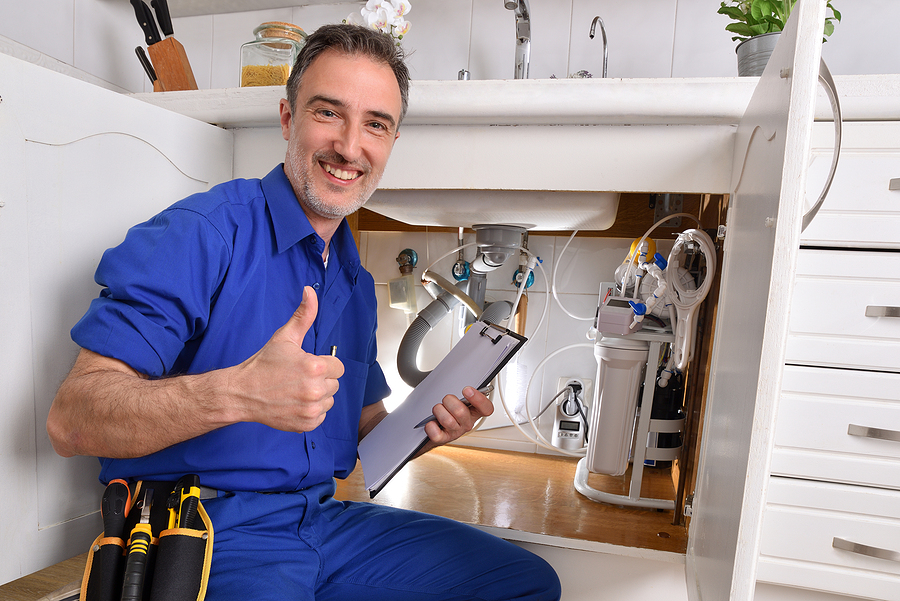
Understanding the True Value of a Plumbing Inspection
A professional plumbing evaluation goes far beyond checking for obvious drips under the sink. It is a comprehensive health check for your home’s entire water infrastructure.
Beyond the Quick Fix: Catching Problems Early
Most homeowners only call a plumber when a pipe bursts or a toilet overflows. Waiting for a disaster guarantees a stressful situation and a massive repair bill. Routine inspections detect silent threats, such as micro-leaks, early-stage corrosion, and hairline cracks. Addressing these minor faults early prevents them from escalating into structural damage or hazardous mold growth.
The Lifespan of Your Plumbing System
Pipes and fixtures endure constant pressure and daily use. Consistent maintenance adds years, if not decades, to the life of these systems. Routine care prevents premature deterioration caused by rust, high water pressure, or mineral scaling. When you actively maintain your pipes and appliances, you significantly delay the need for a full, expensive system replacement.
Common Plumbing Issues Prevented by Inspections
Your home’s plumbing faces numerous threats daily. A thorough inspection targets the specific vulnerabilities that cost homeowners the most money.
Leaks and Water Damage: A Costly Consequence
According to the Environmental Protection Agency, a household can waste nearly 10,000 gallons of water annually due to minor leaks. These unseen leaks weaken structural beams, ruin drywall, and encourage mold proliferation. Identifying and sealing a hidden leak early saves you from the devastating costs of extensive home restoration.
Drain Dilemmas: Blockages and Backups
Slow drains often indicate a severe blockage forming deep within your sewer lines. Food waste, grease, hair, and intrusive tree roots gradually choke your pipes. A professional plumber can assess drainage performance to catch this buildup before it completely halts water flow and causes unsanitary sewage backups inside your living space.
Water Heater Woes: Maximizing Efficiency and Longevity
Your water heater works tirelessly to provide warm water, but sediment accumulation forces the unit to work harder and consume more energy. Plumbers check for mineral buildup, test pressure relief valves, and examine the tank for rust. In places like Indianapolis, Indiana, where hard water is prevalent, flushing the tank and inspecting components are critical steps to prevent premature unit failure and lower heating costs.
Pipe Problems: Corrosion and Cracks
Aging pipes are highly susceptible to corrosion and cracking. An inspector will check the integrity of your supply lines and drains, looking for weak joints and rust. Recognizing these signs early allows for targeted, affordable pipe repairs rather than a massive, whole house repiping project.
The Financial Benefits of Regular Plumbing Maintenance
Investing a small amount in maintenance yields a massive return on investment over the lifetime of your property.
Avoiding Emergency Repairs: Planning vs. Panic
Emergency plumbing situations frequently happen outside of standard business hours, leading to premium service charges. Plumbers typically charge emergency trip fees between $150 and $300, and that does not include the cost of the actual repair. Scheduled maintenance allows you to fix problems during standard hours at standard rates, entirely avoiding the panic and premium pricing of midnight plumbing disasters.
Lowering Your Utility Bills: Efficiency Saves Money
A system plagued by leaks and sediment buildup is inherently inefficient. Fixing a dripping faucet or a running toilet directly lowers your monthly water bill. Furthermore, optimizing a water heater can reduce your energy consumption by up to 15%. Over a few years, these monthly utility savings easily cover the cost of your annual inspection.
Protecting Your Property Value
A well-maintained plumbing system is a massive selling point for potential buyers. A documented history of professional inspections proves that the home has been cared for meticulously. Buyers will pay a premium for a home that promises reliable, efficient plumbing free of hidden water damage.
Insurance Implications: Proactive vs. Reactive
The average water damage insurance claim exceeds $10,000. Many insurance policies mandate that a homeowner properly maintains their property to receive coverage. If a massive leak occurs due to obvious, long-term neglect, your insurance provider might deny your claim entirely. Regular inspections provide documented proof of maintenance, ensuring you remain protected by your policy.
What to Expect During a Professional Plumbing Inspection
Understanding the inspection process helps you realize why a trained professional is necessary to evaluate your home effectively.
A Thorough Examination of Your Home’s Plumbing
A licensed plumber will visually check all visible pipes, fixtures, and water-using appliances. They inspect toilets, sinks, bathtubs, water heaters, and outdoor hose bibs. They verify that everything drains correctly, water pressure sits at a safe level, and all safety valves function appropriately.
Advanced Tools and Techniques
Professionals utilize specialized equipment to see what the naked eye cannot. They employ high-definition sewer cameras to travel deep into underground pipes, spotting blockages and root intrusions without digging up your yard. They also use moisture meters and thermal imaging to find hidden leaks behind walls, ensuring no drop of escaping water goes unnoticed.
Detailed Reports and Recommendations
Following the assessment, you will receive a comprehensive written report detailing the health of your system. The plumber will outline any immediate threats, highlight potential future issues, and provide actionable recommendations. This roadmap allows you to prioritize repairs based on your budget and the urgency of the problem.
When Should You Schedule a Plumbing Inspection?
Timing is crucial when protecting your home’s infrastructure. Knowing when to call a professional keeps you ahead of potential disasters.
Annual Check-ups: The Gold Standard
For optimal protection, homeowners should schedule a plumbing inspection once a year. If you live in an older home with aging pipes, annual evaluations are absolutely essential to monitor for rapid deterioration.
Before Buying or Selling a Home
Standard home inspections frequently miss deep-rooted plumbing issues. If you are purchasing a property, a dedicated plumbing evaluation protects you from buying a home with a failing sewer line. If you are selling, an inspection helps you fix minor issues beforehand, preventing buyers from demanding massive price reductions during negotiations.
If You Notice Any Warning Signs
Never ignore the subtle cries for help from your plumbing. If you experience fluctuating water pressure, notice damp spots on your ceilings, hear gurgling sounds from your drains, or smell foul odors, schedule an inspection immediately. Early intervention stops these symptoms from becoming full-scale emergencies.
Frequently Asked Questions
How often should I have my plumbing inspected?
Industry professionals strongly recommend scheduling a plumbing inspection once every year. Homes older than 40 years or those surrounded by large trees may require more frequent checks to monitor aging pipes and root intrusions.
Can I do a plumbing inspection myself?
While you can routinely check for visible leaks under sinks or test your water heater’s temperature, a true inspection requires a licensed professional. Plumbers possess the training to spot subtle warning signs and use advanced tools like sewer cameras and moisture meters to detect hidden problems.
What are the signs I need a plumbing inspection?
You should schedule an inspection if you notice a sudden, unexplained spike in your water bill. Other red flags include constantly running toilets, slow drains throughout the house, foul odors emanating from sinks, or visible water stains on your walls and ceilings.
How much does a plumbing inspection cost?
Plumbing inspection prices vary depending on the size of your home and the depth of the assessment. A basic visual inspection usually ranges from $100 to $200. A comprehensive inspection that includes a sewer line camera evaluation typically averages around $300.
Investing in Your Home’s Future
A healthy plumbing system forms the foundation of a comfortable, safe home. By embracing routine maintenance, you actively protect your property from devastating water damage and prevent minor issues from draining your bank account. Professional assessments grant you the clarity to make informed decisions about your home’s upkeep, ensuring your pipes and fixtures serve you reliably for decades to come.
Request a comprehensive plumbing inspection in Indianapolis, Indiana. Request a free estimate today!
Related Post: Money-Saving Plumbing Tips You Don’t Want to Ignore