
Hot water is the lifeblood of many commercial operations. Whether you manage a bustling restaurant kitchen, a large-scale hotel, or a busy hospital, a reliable supply of hot water is an absolute necessity.
When your commercial water heater fails, it brings business to a grinding halt. You face frustrated customers, potential health code violations, and the stress of costly emergency repairs. A sudden breakdown disrupts your daily operations and takes a serious toll on your bottom line.
A proactive maintenance strategy prevents these stressful scenarios. By following a clear routine, you protect your equipment investment and ensure a steady supply of hot water for your entire facility. Let’s look at the essential maintenance tasks that will keep your equipment running efficiently and safely all year long.
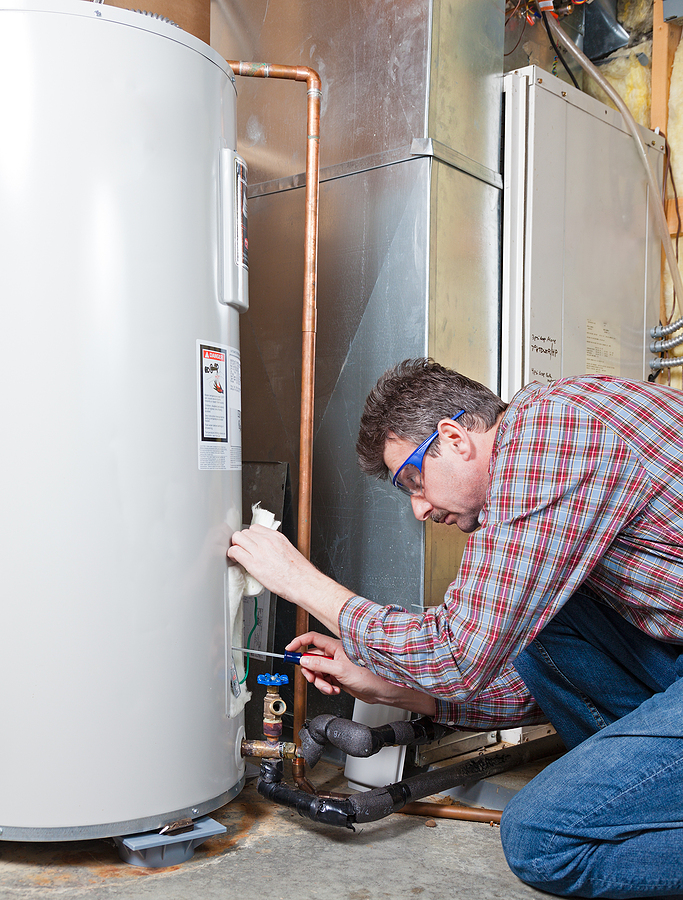
Why Regular Maintenance Matters for Your Business
Staying on top of your plumbing infrastructure offers compounding benefits for your facility. A well-maintained system operates quietly in the background, allowing you to focus on running your business.
Preventing Costly Breakdowns
Emergency plumbing repairs are expensive. Regular inspections allow you to catch minor issues before they escalate into massive floods or complete system failures. Replacing a fifty-dollar valve during a scheduled checkup is far preferable to replacing an entirely flooded mechanical room.
Extending Equipment Lifespan
Commercial water heaters represent a major capital investment. Routine care can add years to your unit’s operational life. Simple actions limit the internal wear and tear that prematurely destroys neglected tanks.
Ensuring Efficiency and Safety
Sediment buildup forces your heater to work harder to warm the water, driving up utility bills significantly. Maintenance keeps energy consumption low. Furthermore, regular testing ensures that vital safety mechanisms remain fully operational, protecting your building from dangerous pressure levels.
Daily and Weekly Maintenance Checks
You do not need to be a master plumber to keep a watchful eye on your equipment. Simple, frequent observations can save you from unexpected disasters.
Visual Inspections
Walk around the unit daily. Look closely for small puddles on the floor, fresh rust spots on the casing, or weeping connections near the pipes. Spotting a few drops of water early gives you the time to schedule a water heater repair before a pipe bursts.
Temperature Monitoring
Check the thermostat dial weekly. It should stay consistently at the recommended safe temperature for your specific industry. Proper temperature management prevents accidental scalding injuries and suppresses harmful bacterial growth within the tank.
Monthly and Quarterly Maintenance Tasks
As the weeks pass, minerals naturally separate from the water and settle inside your plumbing system. A few regular tasks will keep this debris in check.
Draining and Flushing the Tank
Minerals from hard water constantly settle at the bottom of the tank. Flushing a few gallons of water through the drain valve every month minimizes this harmful sediment buildup. It keeps the drain path clear and prevents the debris from calcifying into a solid mass.
Checking for Leaks and Corrosion
Inspect all valves, supply lines, and the tank base for early signs of rust. Pay special attention to the areas where different types of metals meet, as these are highly susceptible to galvanic corrosion.
Annual Professional Maintenance
Once a year, your commercial water heater requires a comprehensive evaluation. This deep clean restores efficiency and verifies that internal components are structurally sound.
Sediment Removal
A full drain and deep clean removes stubborn scale that weekly flushes leave behind. Technicians will empty the tank entirely to ensure the heating elements or burners have direct, unimpeded contact with the water.
Anode Rod Inspection and Replacement
The sacrificial anode rod attracts corrosive elements in the water to protect the steel tank liner. Over time, this rod dissolves entirely. Once it is depleted, the water will immediately begin eating away at the tank itself. Annual inspections ensure the rod is replaced before your tank begins to rust.
Pressure Relief Valve Testing
The temperature and pressure (T&P) relief valve prevents explosive pressure buildup inside the cylinder. A technician will manually trip this valve to ensure water flows freely and the spring snaps back to a tight seal.
Burner and Pilot Light Cleaning (for gas heaters)
Dust, soot, and debris easily disrupt a gas burner flame. A dirty burner burns cooler and less efficiently, while also creating a serious carbon monoxide hazard. Annual vacuuming and brushing keep the flame burning hot and blue.
Electrical Component Check (for electric heaters)
For electric units, a professional plumber will inspect the heating elements and internal wiring for electrical shorts. They will also check the amp draw to ensure the elements are firing correctly and are not smothered by calcium deposits.
Troubleshooting Common Commercial Water Heater Issues
Even with the best maintenance schedule, minor hiccups can occur. Recognizing the symptoms of common problems helps you act quickly.
No Hot Water
A complete lack of hot water is usually traced to a tripped electrical breaker, a blown pilot light, or a failed gas control valve. Verify your power and gas supplies before calling for service.
Insufficient Hot Water
If the hot water turns cold quickly during peak hours, you may have a broken dip tube. This plastic tube directs cold incoming water to the bottom of the tank. If it breaks, cold water mixes directly with the hot water at the top. This symptom can also point to a burnt-out lower heating element.
Strange Noises
Popping, banging, or rumbling sounds coming from the tank are referred to as “kettling.” This happens when a thick layer of sediment covers the bottom of the tank. Water gets trapped beneath the sediment, boils, and violently bubbles up through the debris layer.
Leaks
Water pooling around the base can originate from a loose drain valve or a dripping T&P valve. However, if the water is leaking directly from the metal seams of the tank cylinder, the unit has fractured internally. A cracked tank cannot be repaired and requires immediate replacement.
Commercial Water Heater Maintenance FAQs
How often should a commercial water heater be flushed?
The exact timeline depends on your facility’s usage and the local water hardness. Generally, a full flush is recommended annually, with smaller mini-flushes performed monthly or quarterly to keep the drain valve clear.
What are the signs of a failing anode rod?
A strong rotten egg or sulfur smell in your hot water is a primary indicator. You might also notice rusty or discolored water coming from your hot taps, accompanied by an unpleasant metallic taste.
Can I perform all maintenance myself?
Facility managers can safely handle daily visual checks, temperature monitoring, and basic monthly mini-flushes. However, tasks like burner cleaning, electrical testing, and anode rod replacement should always be left to licensed plumbing professionals to ensure safety and maintain your warranty.
Keep Your Hot Water Flowing
Maintaining a reliable hot water supply doesn’t have to be a source of stress for your business. By implementing a consistent maintenance checklist, you protect your property from water damage, lower your monthly energy costs, and drastically extend the life of your equipment.
If your facility is located in Indianapolis, Indiana, and you need expert commercial water heater repair or service, we are here to help. We carry high-quality Rheem water heaters in stock and offer them at competitive wholesale prices. Request a free estimate today to keep your business running smoothly without missing a beat.
Related Post: Common Commercial Plumbing Problems and Tips to Prevent Them