Top 5 Benefits of a Sump Pump in Your Indianapolis Basement

A flooded basement can turn into one of the most stressful and expensive problems a homeowner faces. In Indianapolis, where heavy rains and rapid snowmelt are common, that risk is very real. Water can seep into your foundation, damage your belongings, and create the perfect conditions for mold to grow.

The good news? A properly installed sump pump offers a simple, effective line of defense. This guide explains why Indianapolis basements are especially vulnerable to water damage, the top five benefits of installing a sump pump, and how to choose the right system for your home.
The Silent Threat: Why Indianapolis Basements Need Sump Pumps

Many homeowners don’t think about basement flooding until it’s too late. By then, the damage is done—and the repair bills start adding up.

Indianapolis Weather Patterns and Water Risk

Indianapolis sees its fair share of wet weather throughout the year. Spring brings frequent, heavy rainfall, while winter snow eventually melts and saturates the ground. When the soil around your foundation becomes oversaturated, water has nowhere to go but into your basement.

Older neighborhoods can be especially prone to drainage issues, where aging infrastructure struggles to handle large volumes of water during storms.

The Risks of Basement Flooding

Even a few inches of water can cause significant harm. Basement flooding can ruin flooring, drywall, and personal belongings, while also creating long-term structural and health concerns. Standing water also invites mold, mildew, and unpleasant odors that are difficult to remove once they take hold.

Top 5 Benefits of a Sump Pump in Your Indianapolis Basement

A sump pump works by collecting excess water in a basin (or sump pit) and pumping it away from your home before it can cause damage. Here’s why that matters.

1. Preventing Costly Water Damage and Mold Growth

Water damage repairs can quickly climb into the thousands of dollars. A sump pump keeps water out of your basement, reducing the chance of damage to floors, walls, and finished living spaces. Just as importantly, it helps prevent mold growth, which can spread quickly in damp environments and affect your family’s health.

2. Protecting Valuables and Personal Belongings

Basements often store everything from holiday decorations to family heirlooms and important documents. A single flood can destroy these items in minutes. By keeping your basement dry, a sump pump protects the things that matter most to you.

3. Maintaining Your Home’s Structural Integrity

Persistent moisture can weaken your home’s foundation over time. Water that pools around or under your foundation can lead to cracks, shifting, and costly structural repairs. A sump pump helps manage groundwater and protects the foundation your entire home depends on.

4. Reducing the Risk of Electrical Hazards

Water and electricity are a dangerous combination. If your basement floods, it can create serious electrical hazards, especially if you have outlets, appliances, or a furnace down there. Keeping water out helps reduce the risk of dangerous and potentially deadly situations.

5. Enhancing Your Home’s Resale Value

A dry, well-maintained basement is a strong selling point. Buyers want peace of mind, and a properly installed sump pump signals that the home is protected against water damage. It can make your property more attractive and help maintain its value over time.

Choosing the Right Sump Pump for Your Indianapolis Home

Not all sump pumps are created equal. The right setup depends on your home’s needs and how much protection you want.

Primary Sump Pumps: Your First Line of Defense

A primary sump pump is the workhorse of your system. It handles everyday water removal, kicking on automatically when water reaches a certain level in the sump pit. For most Indianapolis homes, a reliable primary pump is the foundation of effective basement protection.

Battery Backup Sump Pumps: Essential for Power Outages

Heavy storms often bring power outages—and that’s exactly when your sump pump is needed most. A battery backup pump keeps working even when the power goes out, providing an extra layer of protection during the worst conditions.

Why the Aquanot II® Is a Reliable Choice

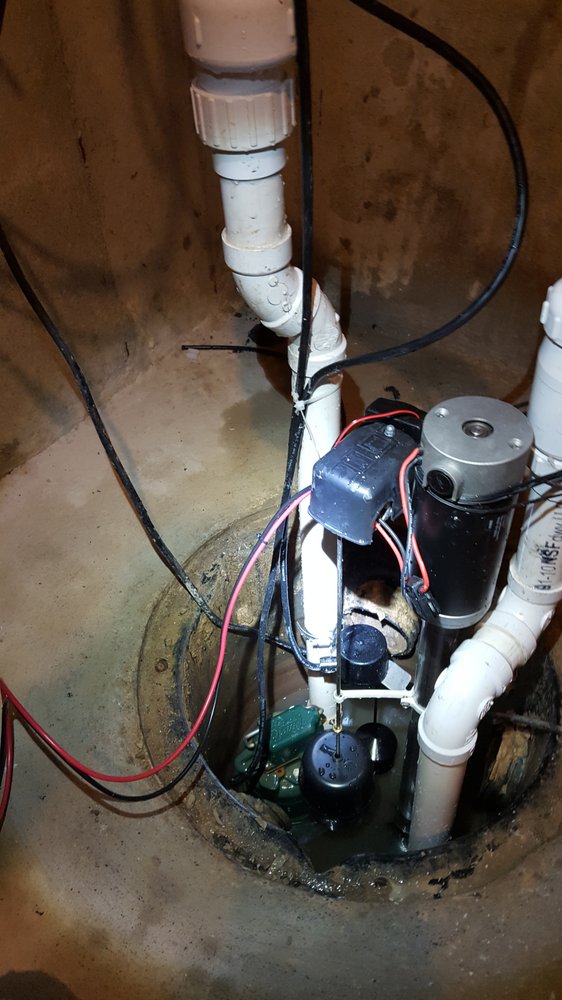
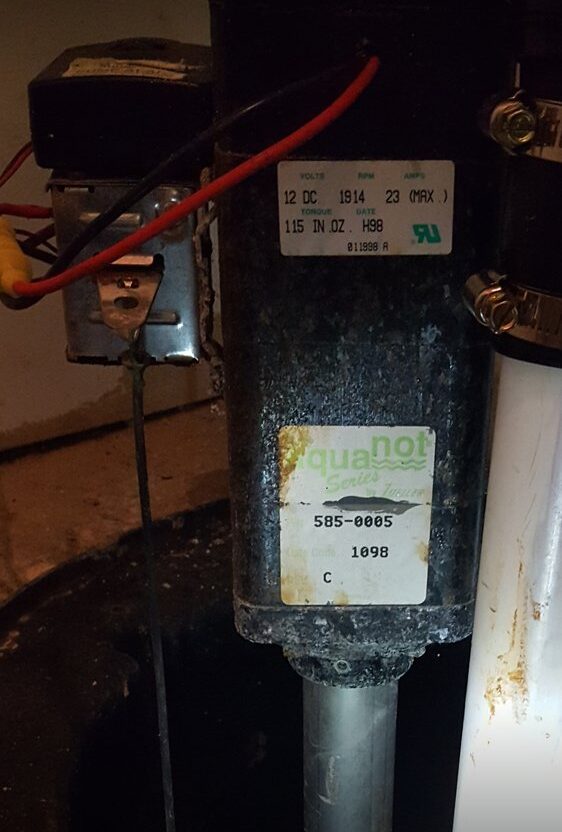
Master plumber Mark Weilhammer recommends installing the Aquanot II® Battery Backup Sump Pump in your sump pit alongside your main sump pump. It’s the most reliable backup system on the market today, giving you confidence that your basement stays protected even during extended outages.

Frequently Asked Questions About Sump Pumps

How often should a sump pump be maintained?

A sump pump should be inspected at least once a year. Regular maintenance includes cleaning the pit, testing the pump, and checking the backup battery. Annual checkups help catch small issues before they become big problems.

What are the signs of a failing sump pump?

Common warning signs include strange noises, frequent cycling, visible rust, excessive vibration, and the pump running constantly. If your sump pump is more than 7 to 10 years old, it may be time to consider a replacement.

Can I install a sump pump myself?

While some homeowners attempt DIY installation, sump pumps involve plumbing, electrical work, and proper drainage. A professional installation ensures the system works correctly and protects your home as intended.

Secure Your Home with a Sump Pump

Basement flooding isn’t something to leave to chance, especially with Indianapolis weather. A quality sump pump protects your home, your belongings, and your peace of mind. Pairing a reliable primary pump with a battery backup system gives you the strongest defense against water damage.

Ready to protect your basement? For professional sump pump installation and repair in Indianapolis, trust the experts. Contact us to get started.

Call Now

Related Posts:

Sump Pumps: Key Features and Buying Guide
How Often Should I Replace My Home’s Sump Pump?
The Pros and Cons of Living in an Area Prone to Flooding
Choosing a New Water Heater: A Guide for Residential Property Owners

Stepping into a shower only to be greeted by freezing water is a jarring experience. A reliable supply of hot water is essential for daily comfort, from morning routines to cleaning dishes and washing laundry. When your current system starts failing, finding the right replacement becomes an urgent priority.

A water heater is a significant investment in your home’s infrastructure. Making the right choice ensures you have consistent hot water while managing your monthly utility bills. With various types, sizes, and efficiency ratings available, the selection process can easily feel overwhelming.

Understanding how different systems work is crucial for maintaining a comfortable home. This guide will walk you through the options, helping you select a unit that meets your household’s unique demands.

Call 317-784-1870 to Get a Residential Rheem 50 Gallon Water Heater for $1899!

Understanding Water Heater Types

The first step in finding the right system is knowing what options exist. Different models heat and store water in completely different ways.

Conventional Storage Tank Water Heaters

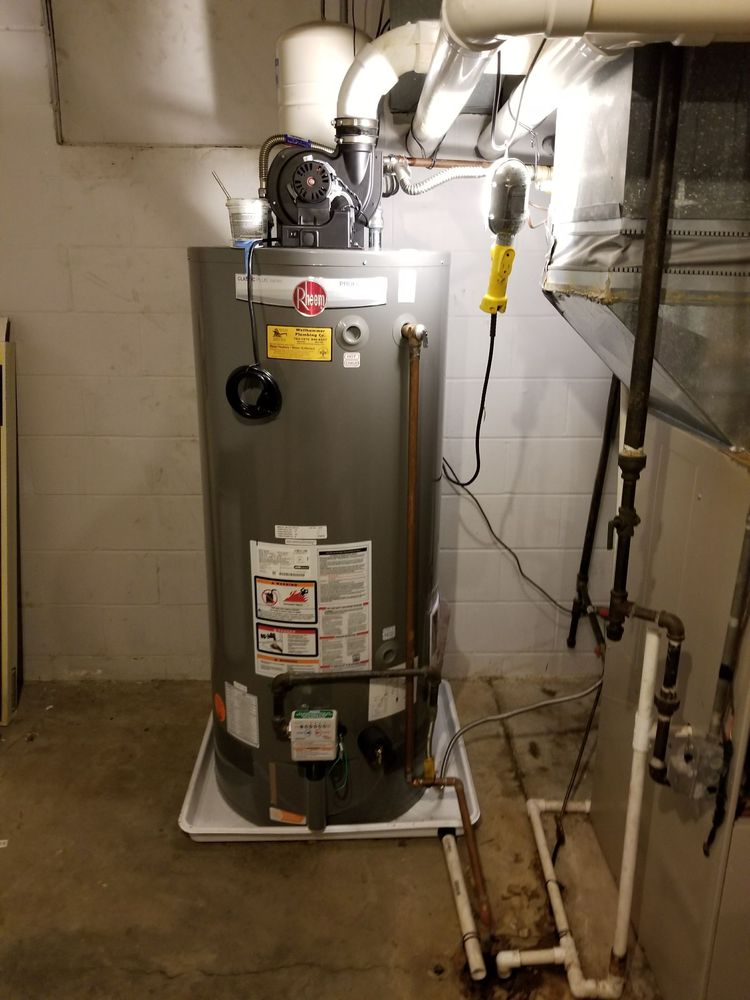
These are the most common units found in residential homes. They feature an insulated tank that holds a specific volume of water, keeping it heated and ready for use. When you turn on a hot water tap, the heated water is released from the top of the tank, while cold water enters the bottom to be heated. They are generally the most affordable to purchase, though they experience “standby heat loss” since the water is kept hot continuously.

Tankless Water Heaters

Also known as on-demand systems, tankless units heat water directly without the use of a storage tank. When a hot water tap is turned on, cold water travels through a pipe into the unit, where a gas burner or an electric element heats it instantly. They provide a constant supply of hot water and eliminate standby heat loss, making them highly energy-efficient.

Heat Pump (Hybrid) Water Heaters

Heat pump water heaters capture heat from the air and transfer it to the water. They use electricity to move heat from one place to another instead of generating heat directly. Because of this unique operation, they can be two to three times more energy-efficient than conventional electric resistance water heaters.

Solar Water Heaters

Solar water heating systems use roof-mounted panels to absorb the sun’s thermal energy, which is then transferred to an antifreeze-like fluid in a closed-loop system. This fluid runs through a heat exchanger to warm the water in a storage tank. While they have a higher upfront cost, they offer significant long-term savings on energy bills.

Key Factors for Selecting a Water Heater

Once you know the types available, you must narrow down the choices based on your home’s specific requirements.

Fuel Type and Energy Efficiency

Your fuel choice heavily impacts your annual operating costs. The most common fuel types are electricity and natural gas. Natural gas water heaters typically cost more to purchase and install but are generally less expensive to operate than electric models. If you are switching fuel types, keep in mind that retrofitting your home for gas or upgrading your electrical panel can add significantly to the installation cost.

Sizing Your Water Heater for Your Home

A properly sized water heater will meet your household’s peak demands without wasting energy. For conventional tanks, you need to look at the First Hour Rating (FHR). The FHR measures how much hot water the heater can deliver in an hour when starting with a full tank. The formula for FHR is roughly the tank capacity multiplied by 0.70, plus the recovery rate. A household of one to two people generally needs a 30 to 40-gallon tank. If you have three or four people living in the home, a 50-gallon tank is often necessary.

Energy Factor (EF) and Uniform Energy Factor (UEF)

Efficiency ratings help you understand how well a unit converts energy into heat. Historically, the Energy Factor (EF) was the standard metric. Today, the Uniform Energy Factor (UEF) is the modern standard used for residential water heaters. A higher UEF indicates a more efficient water heater, which directly translates to lower operating costs.

Cost Considerations: Purchase, Installation, and Operation

When budgeting for a new system, you must look at the total cost of ownership. A tankless water heater might cost twice as much as a conventional tank upfront. However, its lower operating costs and longer lifespan can offset the initial price tag over time. Always weigh the upfront installation expenses against the projected monthly energy savings.

Water Heater Installation and Maintenance Tips

A water heater is only as good as its installation and upkeep. Proper care guarantees your system operates safely and efficiently.

Professional Installation Benefits

Installing a water heater involves working with electricity, natural gas, carbon monoxide venting, and pressurized water. It is a complex job that requires strict adherence to local building codes. For example, Indiana code requires non-pressurized expansion tanks to be securely fastened and supported to carry twice the weight of the tank filled with water. Hiring a professional water heater service ensures the job meets all safety regulations and protects your manufacturer’s warranty.

Regular Maintenance for Longevity

Routine maintenance is vital, especially if you live in an area with hard water. In Indianapolis, the water hardness averages between 12 and 25 grains per gallon, which is considered extremely hard. This high mineral content leads to rapid calcium and sediment buildup inside your tank. Flushing your water heater at least once a year helps remove this sediment, preventing blockages, increasing efficiency, and extending the life of your appliance.

Frequently Asked Questions

How do I know if my water heater needs replacing?

Signs of a failing unit include rusty water coming from your hot taps, rumbling or popping noises from the tank, visible leaks around the base, and a consistent lack of hot water. If your unit requires frequent repairs, replacement is often the more economical choice.

What is the average lifespan of a water heater?

Conventional storage tank water heaters generally last between 8 and 12 years. Tankless water heaters have a longer life expectancy, often lasting 15 to 20 years when properly maintained.

Can I install a water heater myself?

While some experienced DIYers might attempt it, professional installation is highly recommended. Improper installation can lead to gas leaks, electrical fires, water damage, and dangerous carbon monoxide buildup.

How can I improve my water heater’s efficiency?

You can easily boost efficiency by lowering the thermostat on your unit to 120 degrees Fahrenheit. Insulating the first few feet of the hot and cold water pipes connected to the heater also prevents heat loss.

Making an Informed Decision

Replacing a water heater is a major home improvement project that requires careful thought. By understanding your household’s hot water usage, comparing different heating technologies, and paying attention to efficiency ratings, you can select a system that provides lasting comfort. Remember that regular maintenance and professional installation are just as important as the unit you choose to buy.

If you are ready for a reliable upgrade, we have an exclusive offer just for you. Take advantage of our current special and enjoy a brand new 50-Gallon Rheem water heater delivered and installed for just $1899*. This complete package includes the free removal of your old unit. Ensure your home has endless hot water and expert installation by contacting our team today to schedule your service.

Call Now to Book Service

Related Post: Water Heater Troubleshooting: How to Figure Out What’s Wrong

Should You Replace Your 10-Year-Old Water Softener?

Most homeowners don’t think about their water softener until they step out of the shower and their skin feels like sandpaper. It’s the silent workhorse of your plumbing system, tucked away in a basement or garage, tirelessly battling the heavy mineral content that characterizes local water supplies. But like any major appliance, it has an expiration date.

If your unit is approaching or has passed the decade mark, you are likely facing a common dilemma: keep patching up an aging machine or invest in a modern replacement. This isn’t just about avoiding dry skin or spotty dishes; it’s a financial and environmental decision. Older units can hemorrhage water and salt, driving up utility bills while struggling to do the job they were designed for.

This guide explores the lifespan of water softeners, the hidden costs of holding onto an old unit too long, and how upgrading could save you money—and headaches—in the long run.

Call 317-784-1870 For Affordable Water Softener Replacement in Indianapolis

The Hidden Signs of an Aging Water Softener

Water softeners typically have a lifespan of 10 to 15 years. While the tank itself might look sturdy on the outside, the internal components—specifically the resin beads and the control valve—degrade over time. A 10-year-old system often loses its effectiveness gradually, meaning you might not notice the decline immediately.

Here are the red flags that indicate your decade-old unit is nearing the end of its road:

The Return of Hard Water Symptoms

The most obvious sign is a resurgence of the problems the softener was meant to solve. If you notice white, chalky scale building up on your faucets and showerheads, your system isn’t removing calcium and magnesium effectively. You might also find that soap no longer lathers easily, laundry feels stiff and scratchy, or your skin feels perpetually dry and itchy after washing.

Changes in Water Pressure

If your shower stream has turned into a trickle, your water softener could be to blame. Over time, the resin beads inside the tank can break down into a fine silt or become fouled by iron and chlorine. This compacted resin creates resistance, significantly reducing the water pressure flowing into your home. A bypass test—switching the unit to “bypass” mode to see if pressure improves—can confirm if the softener is the bottleneck.

Erratic Salt Usage

Pay attention to the brine tank. If you are refilling the salt much more frequently than usual, the machine might be stuck in a regeneration cycle, wasting resources. Conversely, if the salt level never seems to go down, the system has stopped regenerating altogether, meaning you are effectively running hard water through your pipes.

The Efficiency Gap: Old vs. New Technology

Technological advancements in water treatment have been substantial over the last decade. Comparing a 10-year-old softener to a modern unit is like comparing an old gas-guzzler to a hybrid vehicle. The difference lies primarily in how and when the system decides to regenerate.

Timer-Based vs. Demand-Initiated

Older units often rely on a “time-clock” regeneration method. They are set to clean themselves on a rigid schedule—say, every three days—regardless of how much water you’ve actually used. If you go on vacation, it cleans itself unnecessarily, wasting water and salt. If you have a house full of guests, it might not clean itself often enough, letting hard water slip through.

Modern, high-efficiency models utilize “Demand-Initiated Regeneration” (DIR). These smart systems monitor your actual water usage and only regenerate when necessary. This shift in technology can reduce salt and water consumption by up to 50%. Over the lifespan of the unit, that efficiency translates into hundreds of dollars in savings on salt blocks and water bills.

Resin Degradation

Even if the mechanics of your old unit are fine, the chemistry might be failing. The resin beads inside the tank lose their capacity to hold onto hard water minerals by about 1.5% every year. Chlorine in municipal water supplies acts as an oxidant, turning resin beads into mush over time. By year 10, your softener might only be operating at 85% capacity or less, forcing it to work harder and regenerate more often to achieve the same result.

Learn More About Water Softener Maintenance & Repair

The Financials: Repair vs. Replace

When faced with a broken unit, the instinct is often to fix it. However, the “50% Rule” is a helpful standard for appliances: if the cost of the repair is more than 50% of the cost of a new unit, replacement is usually the wiser choice.

The Cost of Limping Along

Let’s say a control valve on your 12-year-old softener fails. Parts and labor for this repair can easily run between $200 and $500. If a basic new system costs $1,000, you are getting close to that 50% threshold.

Furthermore, spending money to fix an old machine doesn’t address the efficiency issues. You are essentially paying a premium to keep an inefficient system running. A new water softening system might have a higher upfront cost, but the monthly reduction in salt and water usage helps offset that investment over time.

Calculating Long-Term ROI

Consider the cost of salt alone. An inefficient older model might burn through 10-12 bags of salt a year. A high-efficiency model might only need 5 or 6. At roughly $7 to $10 per bag, plus the physical labor of hauling 40-pound bags into your basement, the savings—both financial and physical—add up.

Environmental Considerations

Water softeners have a significant environmental footprint, primarily due to the chloride they discharge into the sewage system.

When a softener regenerates, it flushes a saltwater brine solution down the drain. Municipal wastewater treatment plants are generally not designed to remove this dissolved salt. Consequently, that salt ends up in local freshwater streams, rivers, and lakes, where it can be harmful to aquatic life and freshwater ecosystems.

By replacing a 10-year-old timer-based unit with a modern, high-efficiency system, you significantly reduce the chloride load your home contributes to the local environment. It’s a meaningful way to protect freshwater resources while still protecting your plumbing.

Installation: A Job for Professionals?

Once you decide to replace, the next question is installation. While big-box stores sell DIY kits, installing a water softener involves complex plumbing and code compliance that can be tricky for the average homeowner.

Why Professional Installation Matters

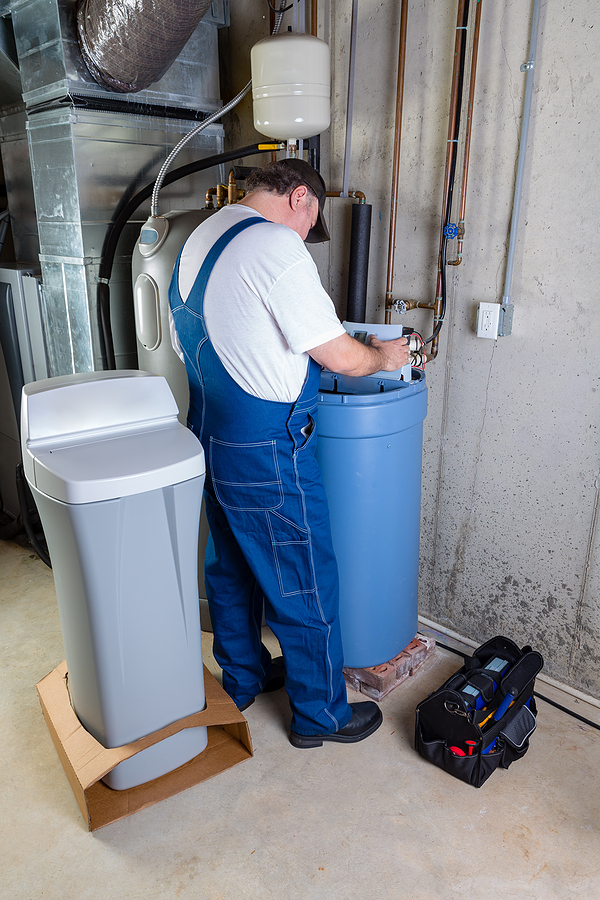
Professional water softener installation ensures the system is sized correctly for your home’s specific hardness level and water usage. An undersized unit will wear out quickly, while an oversized one costs more than necessary.

Professionals also handle:

  • Proper Drainage: Ensuring the discharge line meets local plumbing codes to prevent backflow or contamination.
  • Disposal: Hauling away and properly recycling the heavy, bulky old unit.
  • Calibration: Programming the control valve settings to match your specific water hardness grains per gallon, ensuring optimal efficiency from day one.

While a DIY approach might save money upfront, improper installation can lead to leaks, code violations, or a voided manufacturer warranty.

Final Thoughts

Deciding to replace a 10-year-old water softener is rarely exciting, but it is often necessary. If your unit is showing signs of mechanical failure, requires frequent repairs, or simply eats through salt like a hungry teenager, it has likely become a liability rather than an asset.

Upgrading offers peace of mind. You get consistent soft water, protection for your other appliances (like dishwashers and water heaters), and lower monthly operating costs. It’s an investment in your home’s infrastructure that pays dividends every time you turn on the tap.

If you are unsure about the health of your current system, don’t guess. Have a professional evaluate your water hardness and the condition of your equipment before making a decision.

Not sure if your system can be saved or if it’s time for an upgrade? The water in Indianapolis is notoriously hard, and your softener works overtime to keep up. Contact Our Team today for a professional water softener inspection. We specialize in diagnosing, repairing, and installing high-efficiency systems tailored to Indianapolis water conditions. Let us help you get the best water quality for your home and family.

Call Now to Book Service

Related Post: Hard Water Returning? How to Troubleshoot Your Softener at Home

The Essential Plumbing Parts Every Homeowner Should Know About

When it comes to homeownership, understanding the basics of your home’s plumbing system is a necessity. We often take for granted the intricate network of pipes, valves, and fixtures that work seamlessly to provide us with fresh water and safe waste disposal. However, when something goes wrong, it’s beneficial to have a rudimentary understanding of the essential plumbing parts involved.

This knowledge can help you troubleshoot minor issues, communicate effectively with plumbers, and even save you from potentially costly repairs. In this blog post, we will delve into the must-know plumbing parts and tools that every homeowner should be familiar with.

Call 317-784-1870 To Get in Touch With Trusted Indianapolis Plumbers

The 101 on Plumbing Parts and Tools

Plumbing Pipes and Valves

The first plumbing parts to consider are the pipes and valves that make up your home’s system. The main function of these parts is to supply you with fresh water, route away wastewater, and maintain a consistent flow throughout the entire system. Different types of pipes used in residential plumping include copper pipes, galvanized steel pipes, and PVC pipes. Copper pipes are the most common type of residential plumbing piping, but other materials may be used depending on the application.

Valves come in many shapes and sizes and serve a variety of purposes. For example, a gate valve is used to turn water flow on or off while a shutoff valve helps control flows from individual fixtures such as toilets and sinks. There are also check valves and pressure reducing valves, which help regulate water pressure throughout the system.

Plumbing Fixtures and Connectors

Fixtures are the visible pieces in a plumbing system that deliver fresh water for use or route it away. Toilets, sinks, showers, bathtubs, and dishwashers all have their own specific type of plumbing components. Faucets, for example, have a spout, supply lines, shutoff valves, and a drain assembly. Toilets typically consist of the tank, the bowl, flush valve assembly, and fill valve. Connectors are used to easily attach different parts of a plumbing system together. Common types of connectors include compression fittings, solder joints, push-fit fittings, and threaded pipe joints.

Plumbing Tools

Plumbers rely on a variety of tools to service plumbing systems. While some are specialized for the trade, there are several essential hand tools that every homeowner should have in their arsenal. A few basic plumbing tools include an adjustable wrench, pliers, slip joint pliers, PVC cutter, hacksaw, pipe wrench, plunger, and auger.

By having a basic understanding of plumbing parts and tools you can become more knowledgeable about the inner workings of your home’s plumbing system. That knowledge will come in handy when it comes to addressing minor problems or communicating effectively with plumbers should anything major arise. Now that you know the essential plumbing parts every homeowner should be aware of, you can stay informed and prepared for any plumbing situation.

Taking Action

The key to maintaining a functional plumbing system is regular upkeep. This includes checking the pipes and valves as well as inspecting fixtures and connectors for any signs of wear or damage. Doing so will help ensure that your plumbing remains in top condition. If you find yourself in a situation where your plumbing skills are not sufficient, don’t hesitate to contact a licensed professional plumber in Indianapolis. They have the expertise and know-how to safely handle any plumbing issue that may arise.

In Summary

With just a bit of knowledge and the right tools, you can rest easy knowing that any plumbing issues that come up can be addressed with confidence. We hope you’ve found this blog post helpful and that it has given you a better understanding of the essential plumbing parts every homeowner should know about.

Are you in need of professional plumbing maintenance and parts replacement? Contact Weilhammer Plumbing Company at 317-784-1870 for licensed and insured plumbing service in Indianapolis, Indiana. Our state-licensed master plumbers serve residential and commercial clients.

Related Posts:

A Guide to Blowing Out Your In-Ground Sprinkler System For Winter
How to Check For Water Leaks in Your Plumbing System
Fundamental Tool Kit for the DIY Plumber

8 Benefits of Installing a Saltless Water Softener in Your Home

If you live in an area with hard water, a saltless water softener can be a great solution for improving the quality of your drinking and bathing water. Not only does it reduce the amount of calcium and magnesium that causes scaling, but also provides several other benefits to make your home healthier and more comfortable. Below are 8 key benefits of installing a saltless water softener in your home!

Call 317-784-1870 For Saltless Water Softening Services in Indianapolis Indiana

What is Saltless Water Softening?

If you’re concerned about the negative effects of hard water on your home’s plumbing, skin, and hair, you’ve probably heard of water softeners. However, traditional water softeners use salt to remove the minerals that make water hard. This salt-free option, known as a saltless water softener, or salt-free water softening, provides a gentler and more Eco-friendly solution to your hard water woes.

Instead of salt, these systems use various technologies to change the form of the minerals in the water, preventing them from sticking to surfaces and creating scale buildup. While they may not be as effective as traditional water softeners, saltless water softeners are a great option for those looking for a more natural solution.

Top 8 Reasons to Choose a Saltless Water Softener for Your Home

1. Increases the Lifespan of Your Appliances

By reducing the amount of hard minerals in your water, a saltless water softener will help extend the lifespan of all your home water-using appliances and fixtures such as dishwashers, washing machines, hot water heaters, kitchen sinks and bathroom faucets. This can save you from costly replacements and repairs in the long run.

2. Improves Soap Lathering

Hard water makes it difficult to get enough suds when using soap or detergent for bathing and cleaning clothes. Installing a saltless water softener can significantly improve the lathering ability of soaps, detergents, and shampoos by removing calcium and magnesium ions that cause scaling and clogging of the soap or detergent.

3. Reduces Water Spots

Hard water often leaves behind hard-to-remove water spots on dishes, glassware, and other surfaces. A saltless water softener helps reduce the spotting and staining caused by these hard minerals in your home’s water supply.

4. Improves Air Quality

By reducing scale buildup in pipes and other fixtures, a saltless water softener can help improve indoor air quality as well as reduce allergy symptoms associated with exposure to calcium and magnesium ions commonly found in hard water.

5. Prevents Skin Irritation

Hard minerals like calcium and magnesium can cause skin irritation due to excessive dryness when used for bathing or washing clothes, which a saltless water softener helps to prevent. With a non-salt based water softening system, instead of eliminating beneficial minerals altogether, you get far less of them in each load, preserving just enough while delivering good hydration without having substances left on your skin that would otherwise lead to irritation.

6. Saves Money on Cleaning Products

Softened water can be more economical in the long run. With softer, mineral-free water, you won’t need to use as much soap and detergent when lathering up. This could mean big savings for your household in the long run. Moreover, softened water is less harsh on apparel or fabrics when washed in a machine, making them last longer than they would otherwise with harder water. All of this translates into bigger savings over time.

7. Conserves Energy

Because it doesn’t require the use of electricity or fuel to heat hard water, a saltless water softener can reduce your utility bills by up to 20%. In addition to added savings, salt-free water softening will also help reduce any long-term maintenance costs that may be associated with traditional salt-style units. Making the switch is an easy way to make a difference in your energy use and help conserve resources for the future.

8. Safer for Drinking

Installing a saltless water softener also makes your home’s drinking water much safer as these systems remove most of the contaminants present in hard tap water such as heavy metals and other harmful elements.

Conclusion

Whether you are looking to improve the quality of your home’s water or want to reduce the amount of hard minerals in your drinking and bathing water, installing a saltless water softener is an excellent way to do so. Not only will it help you save money on energy bills, but it will also increase the life expectancy of appliances and fixtures, improve lathering ability of soap, reduce water spots, and prevent skin irritation. Investing in a saltless water softener can be one of the best decisions you make for your home.

If you have any questions about water softener installation or replacement, don’t wait another day to get the answers you need! Contact Weilhammer Plumbing Company at 317-784-1870 for water softener sales, service, and installation in Indianapolis, Indiana. We serve residential and commercial customers, and service all make and model water softeners, including saltfree water softeners.

Related Posts:

How to Switch From Salt Pellet to Salt-Free Water Softening
The Pros and Cons of Saltless Water Softeners
How to Maintain Your Salt Free Water Softener

Is It Worth Installing a New Water Softening System?

Are you tired of hard water? Do you want to improve the quality of your drinking water, and make cleaning easier? Installing a new water softening system may just be the answer.  Water softeners are designed to remove minerals like calcium and magnesium from your home’s supply, leaving behind softer, better-tasting water that is also easier on appliances and fixtures. But before you invest in a system, it’s important to understand how they work and decide if it’s right for you.

In this blog post, we’ll explore the benefits of installing a new water softener system as well as some of the drawbacks so that you can make an informed decision about whether or not it’s worth investing in one for your home.

Call 317-784-1870 For Water Softener Services in Indianapolis

What is a Water Softener and How Does it Work?

So, what exactly is a water softening system? A water softener works by passing your home’s hard water through an ion exchange resin bead. These beads contain positively charged sodium ions that attract the negatively charged mineral ions like calcium and magnesium in the hard water, causing them to stick to the beads rather than pass through with the flow of water. After these minerals are removed from the supply, softer, cleaner tasting, and healthier drinking water results.

Hard Water Detection

If you’re experiencing issues with your water supply, hard water could be the culprit. Hard water, which is water that contains high levels of dissolved minerals, can cause problems for your plumbing and appliances, as well as create noticeable changes in the way your water looks and feels. Luckily, hard water detection is relatively straightforward, and there are many methods you can use to identify and combat this issue in your home. By understanding the signs of hard water, you can take steps to protect your property and enjoy cleaner, clearer water for years to come.

Signs of hard water can include soap not lathering well, white spots on dishes and glassware, and a buildup of scale on faucets and showerheads. In addition, hard water may leave clothes feeling stiff and looking dull, and can even shorten the lifespan of appliances such as water heaters and dishwashers. While hard water isn’t necessarily harmful to your health, it can be a frustrating and costly issue to deal with. If you suspect that you have hard water, it’s important to have your water tested and consider investing in a water softening system to help mitigate these issues.

Top Benefits of Water Softening

Water softeners and conditioners can provide several benefits, including but not limited to:

Longer appliance and plumbing fixture lifespans thanks to less wear and tear on metal parts caused by mineral buildup.

Softened skin due to reduced soap scum build-up.

Better tasting food prepared with softer water.

Improved hygiene due to fewer bacteria present in the water.

A reduction in energy costs because it takes less soap or detergent to get the same cleaning job done.

Drawbacks of Water Softener Replacement

However, installing a new water softening system can also come with some drawbacks. The cost of buying and installing a system can be quite expensive, as can ongoing maintenance costs such as salt replacements. In addition, softened water contains higher levels of sodium which may not be ideal for those on sodium-restricted diets. Finally, there is also the environmental impact to consider – since softened water eventually ends up in waterways, too much sodium could have an adverse effect on aquatic life.

Conclusion

Ultimately, deciding whether or not to install a new water softening system will depend on your needs and budget. If you feel that you would benefit from softer water, then a new system may be well worth the investment. However, if cost is an issue or if you already have an adequate supply of soft water, then it may not be necessary to install one. In any case, understanding how these systems work and the potential benefits and drawbacks can help you make an informed decision about whether a water softening system is right for your home.

Are you ready to protect your home or business against the damages of hard water? Contact Weilhammer Plumbing Company at 317-784-1870 for trusted water softener sales, service, and installation in Indianapolis, Indiana. We serve residential and commercial clients.

Related Posts:

Your Home Needs a Water Softener If It Shows These Signs
How to Tell if Your Water Softener Needs Maintenance
4 Benefits of Upgrading Your Old Water Softener System

How Often Should I Replace My Home’s Sump Pump?

Homeowners know the importance of having a functioning sump pump in their home. Sump pumps are responsible for keeping your basement dry by diverting water away from your house and into an underground drainage system or nearby creek. But like all mechanical devices, sump pumps need to be replaced every so often as part of regular maintenance and repair. So, how often should you replace your home’s sump pump? The answer depends on several factors including the age of your current unit, the type of environment in which it is located, and any signs that suggest it needs to be repaired or replaced.

In this blog post, we will discuss these topics in more detail and provide tips on when you should consider replacing your home’s sump pump.

Call 317-784-1870 For Sump Pump Replacement in Indianapolis Indiana

Top Factors That Affect Sump Pump Replacement Timelines

Sump pumps are crucial in preventing basement flooding and ensuring the safety of your home’s foundation. The lifespan of a sump pump mainly depends on its usage and quality. On average, a well-maintained sump pump can last for about 10 years. However, if the pump frequently operates or experiences heavy usage, its lifespan can be reduced to 5 to 6 years.

It’s essential to have your sump pump regularly inspected by a professional plumber and to replace it before it fails to avoid unexpected damage to your property. Ultimately, investing in a high-quality sump pump and conducting routine maintenance is worth the cost to ensure the longevity of your equipment and the safety and security of your home.

Here are some factors that can influence your sump pump lifespan:

Age – If your sump pump is more than 10 years old, it may be time to replace it. The life expectancy of a sump pump is usually between 5 and 10 years, so if yours has been around for over a decade, you’ll want to start looking into getting a new one.

Location – The environment in which your sump pump is located can also affect its lifespan. If it’s located in an area that is prone to flooding or other water-related damage, then your sump pump could be more likely to break down sooner than later and will need to be replaced.

Climate – Additionally, if your home experiences significant temperature fluctuations throughout the year (e.g., cold winters followed by hot summers), this can also shorten the life of your sump pump.

Act Fast When You Notice Sump Pump Problems

If you do notice any signs that suggest your sump pump needs to be repaired or replaced, then it is important that you act quickly. These signs can include loud noises when the pump is running, a lack of water being pumped away from your home, and even flooding in your basement. If you experience any of these warning signs, contact a professional plumber to inspect and repair (or replace) your sump pump as soon as possible.

Conclusion

Overall, replacing a sump pump should not be done on a regular basis unless there are signs that indicate it’s time for an upgrade. If yours is more than 10 years old or if you live in an environment where temperature or water-related damage is a concern, then you may want to consider replacing your sump pump sooner rather than later. Additionally, if you notice any warning signs that suggest it needs to be repaired or replaced, contact a professional plumber right away. By following these tips, you can ensure that your sump pump is functioning properly and keeping your home dry for years to come.

We hope this information was helpful in understanding when it’s time to replace your home’s sump pump and how often regular maintenance and repair should be done. If you need assistance with repairing or replacing your sump pump, don’t hesitate to contact Weilhammer Plumbing Company at 317-784-1870 to receive information about our sump pump services and products, anytime. Not only do we repair, install, and replace all make and model sump pumps, but we also carry state-of-the-art Zoeller Sump Pumps and Aquanot ll® Battery Backup Sump Pumps at below-market prices.

Related Posts:

How to Tell If You Need Sump Pump Repair
How to Determine Which Sump Pump Size You Need
Why Won’t My Sump Pump Turn Off After it Rains a Lot?

The Key Benefits of Installing a Garbage Disposal

Do you want to reduce the amount of waste in your home and make it easier to dispose of food scraps? Installing a garbage disposal can help you do just that! Garbage disposals are convenient appliances that grind up food scraps, making them easier to discard. Not only are they helpful for reducing the amount of trash in your home, but they also provide several other benefits. In this blog post, we’ll discuss all the key benefits of installing a garbage disposal in your kitchen. From reduced odors and clogs to energy savings and more, there are plenty of advantages that come with having one installed in your home. So, keep reading to learn why investing in a garbage disposal system is worth it!

Call 317-784-1870 For Garbage Disposal Replacement in Indianapolis Indiana

Why Invest in a Garbage Disposal System?

🛠 Odor Control

Installing a garbage disposal will reduce odors and clogs. Food scraps can often cause clogs in plumbing systems, and they also produce unpleasant odors. With a garbage disposal, you won’t have to worry about either of these problems since the appliance grinds up food into small pieces that are easy to flush down the drain. This not only eliminates blockages but also reduces odors in your kitchen, creating a fresher environment for cooking and eating.

🛠 Energy Efficiency

A garbage disposal system is also an energy-saving appliance. Compared to other methods of disposing food waste like composting or throwing it away in the trash, using a garbage disposal uses less water and electricity. This makes it great for those looking to save money on their utility bills.

🛠 Plumbing Longevity

Finally, installing a garbage disposal can extend the life of your plumbing system. Since food scraps accumulate in pipes over time and cause clogs, having access to a garbage disposal means that these may be less likely to occur. This can help reduce costly repair costs associated with pipe damage or blockages caused by food waste.

Installing a Top Quality Garbage Disposal is Worth It

In conclusion, installing a garbage disposal is an efficient way to manage food scraps while providing numerous other benefits. From reduced odors and clogs to energy savings and more, there are plenty of reasons why having one installed in your home is worth it! So, if you’re looking for an easy way to dispose of food waste without creating unpleasant odors or risking plumbing problems, consider investing in a garbage disposal unit, today. Not only will it help reduce the amount of waste in your home, but it can also extend the life of your plumbing system and save you money too!

Signs That Indicate You Need Garbage Disposal Replacement

An essential kitchen appliance, garbage disposals are used by most homeowners for a quick and easy way to clean their kitchen. But, like all appliances, they have a limited lifespan and need to be replaced when they show signs of wear and tear. Signs that indicate you need a garbage disposal replacement include unpleasant smells emanating from the unit, consistent clogs, strange and loud noises, excessive shaking, and leaks. If you’re experiencing any of these issues, it’s time to replace your old system with a new garbage disposal. Investing in a new garbage disposal saves you time and money in the long run, while also giving you peace of mind knowing that your kitchen is clean and odor-free.

If you are looking for help with your garbage disposal issues or needs, look no further! Contact Weilhammer Plumbing Company at 317-784-1870 for licensed and insured plumbing services in Indianapolis, Indiana, and its surrounding towns. We provide garbage disposal replacement and carry a line of top-quality In Sink Erator®(ISE) Garbage Disposals at market low prices!

Related Posts:

Top Tips for Garbage Disposal Maintenance
How to Fix a Leaky Garbage Disposal
Frequently Asked Questions About Garbage Disposals

The Benefits of Installing a MOEN® Faucet in Your Kitchen

Are you looking to upgrade the look and functionality of your kitchen or bathroom? Installing a MOEN® faucet is one of the best ways to do just that. With its sleek design, intuitive features, and easy-to-use controls, a MOEN faucet can help make your space more efficient and visually appealing. In addition, with professional installation services from qualified experts, like our team here at Weilhammer Plumbing Company, you can rest assured that your new MOEN® faucet will be installed correctly and quickly so you can start enjoying all its benefits in no time!

Bathroom, kitchen, or bar, continue below to learn some of the top advantages that come with installing a MOEN® faucet in your home or office.

Call 317-784-1870 For MOEN Faucets and Installation in Indianapolis, Indiana.

5 Reason Why So Many Homeowners Choose MOEN® Faucets and Fixtures

With MOEN faucets and fixtures, homeowners can easily spruce up their kitchen or bathroom in no time. From traditional to modern designs, MOEN has a variety of options to choose from. Not only can they dramatically transform the look of a room, but they also come with features like water-saving technology. Their spot-resistant finish is ideal for busy households as it prevents buildup of water spots, drips, and streaks. For those looking for a new faucet that’s visually appealing and reliable, choosing MOEN faucets gives their home an instant transformation. Plus, there are many styles available to match almost any decor. Whether it’s for hygiene reasons or purely decorative updates, these versatile pieces make it easy to get the job done efficiently.

Here are the top 5 reasons why so many home and business owners continue to choose MOEN® as their go-to faucet brand:

1. Durability: MOEN® faucets are designed to last for years, so you can feel confident that your investment will pay off in the long run. Not only do these products offer a lifetime warranty, but their quality construction also ensures that your new faucet will stand up to regular use and remain in great condition for years to come.

2. Variety of Styles: With a wide selection of styles and finishes to choose from, you’re sure to find one that perfectly matches the look and feel of your kitchen or bathroom. And with the ability to pair different features like pull-down sprayers or single handle controls, it’s easy to customize your faucet according to your exact preferences.

3. Ease of Use: Thanks to the MOEN® innovative designs, using the faucet is easy and intuitive. With simple controls and a clear interface, even the most novice user can figure out how to get the perfect temperature and flow in no time.

4. Professional Installation Services: Weilhammer Plumbing Company offers professional installation services for all your MOEN® faucet service and sales needs. We make sure that your new faucet fits correctly and correctly connected so you don’t have to worry about any potential issues down the line. 

Contact Us for MOEN® Faucet Sales and Installation

Installing a MOEN® faucet in your bathroom or kitchen is an excellent way to upgrade its look, feel, and functionality without breaking the bank. If you want to get all these benefits and more, Weilhammer Plumbing Company is here to help! From selection to installation, our team of experts is dedicated to making sure that everything goes smoothly so you can enjoy your new MOEN® fixture as soon as possible. Not only do our master plumbers and plumbing technicians specialize in the installation of plumbing fixtures, offering top quality service with every job we do, but we also carry a select line of MOEN® faucets for at near-wholesale prices.

Ready to get your new MOEN faucet installed? With our Indianapolis faucet installation and repair services, we will ensure that your new faucet fits correctly, is securely connected, and works properly for years to come. Contact us today at 317-784-1870 for a free quote and get started on giving your kitchen the upgrade it deserves!

Related Posts:

Quick Guide to Choosing a New Faucet
Why is My Faucet Water Cloudy Then Clear?
5 Contemporary Faucet Styles for Bathroom and Kitchen Sinks

4 Benefits of Upgrading Your Old Water Softener System

Are you tired of dealing with hard water in your home? Hard water can cause a variety of problems, from scaling on fixtures and appliances to dry skin and hair. If you’re looking for an easy solution to these issues, then consider replacing your old water softener system with a new one. Upgrading your water softener system can offer many benefits that will make life easier for you and your family. Here are just 4 of the most talked-about advantages of upgrading an old water softening system.

Call 317-784-1870 For Water Softener Replacement in Indianapolis, Indiana.

A New Water Softener Upgrade Can Deliver These 4 Advantages

1. Improved Water Quality: Newer water softener systems are more effective and efficient in removing minerals and calcium from your water supply, making it safer to drink and use for other purposes like cooking or cleaning. The improved quality of the water provides a better taste and eliminates any unpleasant odors caused by hard water.

2. Lower Maintenance Costs: With the most advanced models, you don’t have to worry about refilling salt or manually regenerating the softening bed since they can do this automatically. This reduces your maintenance costs significantly over time compared to an older model that requires more frequent attention.

3. Longer Lifespan: Upgrading your old water softener system also ensures that it will last longer, saving you money in the long run. Newer models are more reliable and durable than older ones, so you won’t need to replace it as often.

4. Higher Efficiency: Upgrading your water softener system can also make it more efficient in terms of energy consumption and water usage. This means that not only is it better for the environment, but you can also save on bills each month.

A New Water Softener System Will Improve Your Water Quality

If you’re looking for an easy way to improve your home’s water quality while also saving time and money on maintenance costs, then replacing your old water softener system with a new one is a great option. With the right installation and regular maintenance, you can enjoy all the benefits that come with having a newer, upgraded water softener system.  If you’re ready to take the plunge and upgrade your water softener system, contact a professional for assistance in selecting the right type of equipment and installing it correctly. With help from an experienced technician, you can enjoy all the benefits of a new water softening system without any hassle.

Hire a Professional For Water Softener Replacement and Installation

Replacing or installing water softeners is a job best left to a professional plumber. A water softener helps to reduce hard water buildup and improve water quality, so it is important that the installation is done correctly and by someone with the right knowledge and skills. A state-licensed plumber will have experience in water softener replacement and ensure that your system operates efficiently so that you can enjoy softer water at home or the office. They are familiar with local codes, certified in water treatment products, and able to provide safe water solutions. They can even help with water softener procurement – getting you a better price than you would at the local home improvement store.

Hiring a professional plumber for water softener replacement and installation is key for optimal performance and will give you peace of mind knowing the job is taken care of correctly. Contact Weilhammer Plumbing Company at 317-784-1870 for trusted water softener sales, service, and installation in Indianapolis, Indiana. We serve residential and commercial clients.

Related Posts:

The Highest Rated Residential Water Softeners of 2022
Is Your Water Softener the Correct Size for Your Home?
Your Home Needs a Water Softener If It Shows These Signs