
A flooded basement can turn into one of the most stressful and expensive problems a homeowner faces. In Indianapolis, where heavy rains and rapid snowmelt are common, that risk is very real. Water can seep into your foundation, damage your belongings, and create the perfect conditions for mold to grow.
The good news? A properly installed sump pump offers a simple, effective line of defense. This guide explains why Indianapolis basements are especially vulnerable to water damage, the top five benefits of installing a sump pump, and how to choose the right system for your home.
The Silent Threat: Why Indianapolis Basements Need Sump Pumps
Many homeowners don’t think about basement flooding until it’s too late. By then, the damage is done—and the repair bills start adding up.
Indianapolis Weather Patterns and Water Risk
Indianapolis sees its fair share of wet weather throughout the year. Spring brings frequent, heavy rainfall, while winter snow eventually melts and saturates the ground. When the soil around your foundation becomes oversaturated, water has nowhere to go but into your basement.
Older neighborhoods can be especially prone to drainage issues, where aging infrastructure struggles to handle large volumes of water during storms.
The Risks of Basement Flooding
Even a few inches of water can cause significant harm. Basement flooding can ruin flooring, drywall, and personal belongings, while also creating long-term structural and health concerns. Standing water also invites mold, mildew, and unpleasant odors that are difficult to remove once they take hold.
Top 5 Benefits of a Sump Pump in Your Indianapolis Basement
A sump pump works by collecting excess water in a basin (or sump pit) and pumping it away from your home before it can cause damage. Here’s why that matters.
1. Preventing Costly Water Damage and Mold Growth
Water damage repairs can quickly climb into the thousands of dollars. A sump pump keeps water out of your basement, reducing the chance of damage to floors, walls, and finished living spaces. Just as importantly, it helps prevent mold growth, which can spread quickly in damp environments and affect your family’s health.
2. Protecting Valuables and Personal Belongings
Basements often store everything from holiday decorations to family heirlooms and important documents. A single flood can destroy these items in minutes. By keeping your basement dry, a sump pump protects the things that matter most to you.
3. Maintaining Your Home’s Structural Integrity
Persistent moisture can weaken your home’s foundation over time. Water that pools around or under your foundation can lead to cracks, shifting, and costly structural repairs. A sump pump helps manage groundwater and protects the foundation your entire home depends on.
4. Reducing the Risk of Electrical Hazards
Water and electricity are a dangerous combination. If your basement floods, it can create serious electrical hazards, especially if you have outlets, appliances, or a furnace down there. Keeping water out helps reduce the risk of dangerous and potentially deadly situations.
5. Enhancing Your Home’s Resale Value
A dry, well-maintained basement is a strong selling point. Buyers want peace of mind, and a properly installed sump pump signals that the home is protected against water damage. It can make your property more attractive and help maintain its value over time.
Choosing the Right Sump Pump for Your Indianapolis Home
Not all sump pumps are created equal. The right setup depends on your home’s needs and how much protection you want.
Primary Sump Pumps: Your First Line of Defense
A primary sump pump is the workhorse of your system. It handles everyday water removal, kicking on automatically when water reaches a certain level in the sump pit. For most Indianapolis homes, a reliable primary pump is the foundation of effective basement protection.
Battery Backup Sump Pumps: Essential for Power Outages
Heavy storms often bring power outages—and that’s exactly when your sump pump is needed most. A battery backup pump keeps working even when the power goes out, providing an extra layer of protection during the worst conditions.
Why the Aquanot II® Is a Reliable Choice
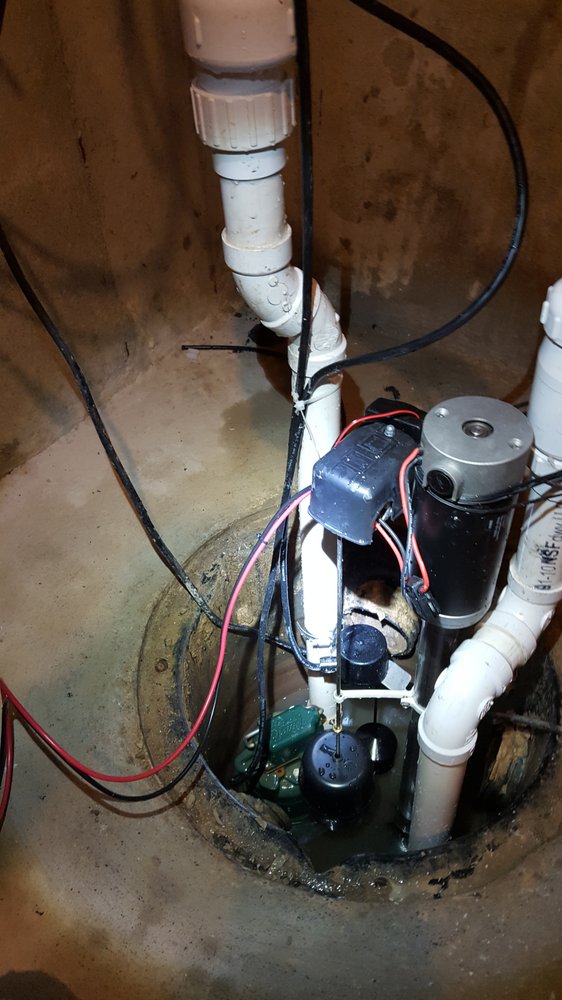
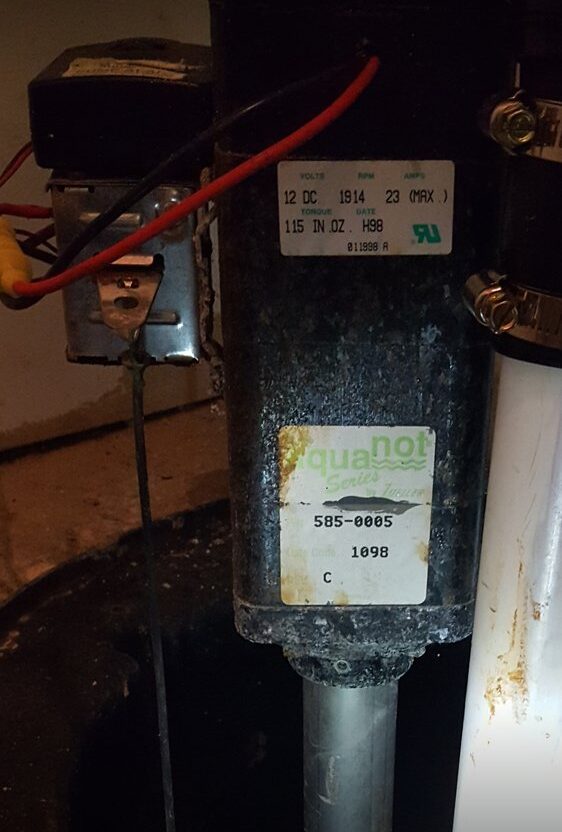
Master plumber Mark Weilhammer recommends installing the Aquanot II® Battery Backup Sump Pump in your sump pit alongside your main sump pump. It’s the most reliable backup system on the market today, giving you confidence that your basement stays protected even during extended outages.
Frequently Asked Questions About Sump Pumps
How often should a sump pump be maintained?
A sump pump should be inspected at least once a year. Regular maintenance includes cleaning the pit, testing the pump, and checking the backup battery. Annual checkups help catch small issues before they become big problems.
What are the signs of a failing sump pump?
Common warning signs include strange noises, frequent cycling, visible rust, excessive vibration, and the pump running constantly. If your sump pump is more than 7 to 10 years old, it may be time to consider a replacement.
Can I install a sump pump myself?
While some homeowners attempt DIY installation, sump pumps involve plumbing, electrical work, and proper drainage. A professional installation ensures the system works correctly and protects your home as intended.
Secure Your Home with a Sump Pump
Basement flooding isn’t something to leave to chance, especially with Indianapolis weather. A quality sump pump protects your home, your belongings, and your peace of mind. Pairing a reliable primary pump with a battery backup system gives you the strongest defense against water damage.
Ready to protect your basement? For professional sump pump installation and repair in Indianapolis, trust the experts. Contact us to get started.
Related Posts:
Sump Pumps: Key Features and Buying Guide
How Often Should I Replace My Home’s Sump Pump?
The Pros and Cons of Living in an Area Prone to Flooding


