
That cold shower on a winter morning? It might be more than bad luck. Sediment quietly building up inside your water heater is one of the most common reasons these appliances lose efficiency, develop leaks, or fail years before they should.
Sediment forms when minerals and tiny particles in your water settle at the bottom of the tank. Over time, that layer hardens, insulates your heating element, and forces your system to work harder than it needs to. Left unchecked, it can cut your water heater’s lifespan in half.
The good news is that your water heater usually warns you before things get serious. This guide walks through the warning signs to watch for, why sediment forms in the first place, how it harms your system, and what you can do to keep it running smoothly for years to come.
Warning Signs of Sediment Buildup
Your water heater often sends signals long before it breaks down. Catching these early can save you a costly repair or replacement.
Strange Noises from Your Water Heater
Popping, rumbling, hissing, or creaking sounds are some of the clearest red flags. These noises happen when minerals settle at the bottom of the tank and trap pockets of water beneath them. As the heating element warms up, that trapped water boils and bursts through the sediment, creating those unsettling sounds.
A healthy water heater runs quietly. If yours has started to grumble, sediment is likely the cause.
Reduced Hot Water Supply
Does your shower turn lukewarm faster than it used to? A shrinking hot water supply is another common symptom. As sediment collects, it takes up space that water once filled, leaving less room for hot water in the tank.
That same layer also acts as insulation between the heating element and the water, so less heat actually reaches your supply. The result is lukewarm taps and showers that cool off too quickly.
Murky or Discolored Hot Water
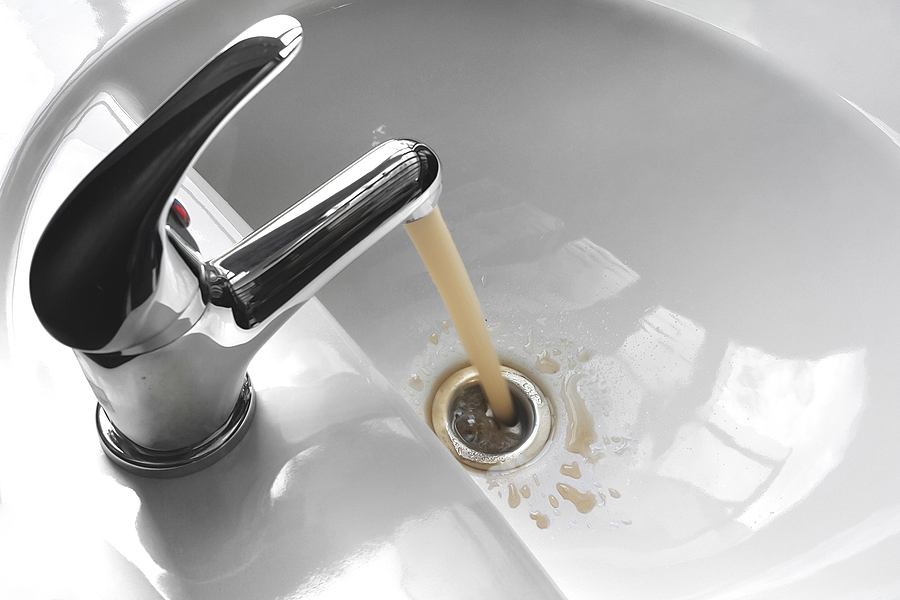
Cloudy, rusty, or orange-tinted hot water is worth paying attention to. Sediment can discolor the water directly, but it can also corrode the inside of your tank. Once the protective lining wears away, the steel beneath it starts to rust, sending discolored particles to your faucets and appliances.
If you notice a metallic smell or taste alongside the color change, corrosion may already be underway.
Higher Energy Bills
A sudden jump in your gas or electric bill can point straight to sediment. When a layer of minerals blocks the heating element, your water heater has to run longer and hotter to deliver the same amount of hot water. That extra effort shows up as wasted energy and a bigger monthly bill.
Why Sediment Accumulates in Water Heaters
Knowing where sediment comes from makes it easier to keep it under control.
The Science Behind Sediment Formation
Sediment is a mix of dissolved and suspended solids—think rust, sand, silt, clay, and hardened minerals. These particles travel through your water supply and eventually settle at the bottom of your tank.
Both city water and well water carry sediment. Municipal water is treated, but minerals can still collect in water mains, and main breaks can stir up debris. Well water tends to carry even more, especially from shallow wells or systems with damaged casings.
Water Hardness and Mineral Content
Hard water is the biggest driver of sediment buildup. The harder your water, the more calcium and magnesium it carries, and the faster those minerals settle out as your water heats.
This matters a lot for local homeowners. According to Citizens Energy Group, water in the Indianapolis area averages 320 parts per million in hardness—about 19 grains per gallon. Anything above 180 ppm is considered “very hard,” so most homes here are well into territory wherein sediment forms quickly.
Impact of Sediment on Water Heater Performance
Sediment does more than make noise. It steadily wears down your system in ways that get expensive.
Decreased Efficiency and Lifespan
A sediment layer forces your heating element to work overtime. That constant strain burns more energy and wears the element out faster. Over months and years, this can shorten your water heater’s lifespan dramatically—sometimes cutting it in half.
Potential for Costly Damage
The risks go beyond efficiency. As sediment forces the tank to overheat, pressure builds inside. Your temperature and pressure relief valve is designed to release that pressure, but heavy sediment can cause it to fail or leak.
Excess heat and corrosion can also crack the tank itself. A cracked or leaking tank can flood a basement or utility room, turning a simple maintenance issue into a major repair bill.
Preventing Sediment Buildup
A little routine care goes a long way toward protecting your investment.
Regular Flushing and Maintenance
Flushing your tank at least once a year is the single most effective step you can take. Draining the tank clears out settled sediment and restores your water heater to normal performance. Regular water heater flushing also helps your system run efficiently and last longer.
If you live with very hard water, you may benefit from flushing more often. A professional plumber can recommend the right schedule for your home.
Water Softener Installation
Flushing removes sediment that has already formed, but water softener installation helps stop it at the source. By reducing the calcium and magnesium in your water, a softener slows how quickly minerals settle in the tank.
For Indianapolis homes dealing with very hard water, a softener or whole-house filtration system can protect not just your water heater, but your pipes and other appliances too.
When to Call a Professional
Some maintenance is simple. Other situations call for an expert eye.
Dealing with Severe Sediment Issues
If your tank still rumbles after a flush, your hot water never gets hot enough, or you spot water pooling around the base, it’s time to bring in a professional. Heavy sediment buildup, corrosion, and leaks usually need more than a basic drain-and-fill.
Professional Water Heater Inspection
A trained water heater repairman can check your heating element, relief valve, and tank lining for damage you can’t see. An annual professional inspection catches small problems before they become emergencies and gives you a clear picture of how much life your water heater has left.
Frequently Asked Questions
How often should I flush my water heater?
For most homes, once a year is enough. If you have very hard water, like much of the Indianapolis area, flushing more often may help.
Can I flush a water heater myself?
Many homeowners can handle a basic flush. If you’re unsure, or if your tank still makes noise afterward, a professional can do it safely and check for deeper issues.
Does a water softener stop sediment completely?
Not entirely, but it greatly slows it down by reducing the minerals that form sediment. Pairing a softener with annual flushing offers the best protection.
How long should a water heater last?
A well-maintained water heater typically lasts 8 to 12 years. Heavy sediment buildup can shorten that significantly.
Keep Your Hot Water Flowing
Sediment buildup is sneaky, but the warning signs are clear once you know what to listen and look for. Strange noises, lukewarm water, discoloration, and rising bills all point to a tank that needs attention. Acting early protects your wallet and keeps the hot water flowing when you need it most.
Noticing any of these signs in your home? Our team offers expert water heater repair and service in Indianapolis, Indiana. Request a free estimate today and keep your hot water running strong.
Related Post: Water Heater Troubleshooting: How to Figure Out What’s Wrong