How to Fix a Running Toilet: Easy DIY Guide

TL;DR: Most running toilets are caused by a faulty flapper, a high water level, or a leaky fill valve. This guide walks you through diagnosing and fixing each issue in under 30 minutes—no plumber required.

Key Takeaways:

  • Check the flapper first—it’s the most common culprit
  • Adjust the float so the water level sits below the overflow tube
  • Replace the fill valve if the water still won’t stop running

Table of Contents:

  1. Understanding Why Your Toilet is Running
  2. Step 1: Inspect the Flapper
  3. Step 2: Adjust the Water Level
  4. Step 3: Repair or Replace the Fill Valve
  5. When to Call a Professional
  6. FAQ
  7. Quick Recap
  8. Schedule Toilet Repair in Indianapolis
Call 317-784-1870 for an Affordable Toilet Running Fix in Indianapolis

Understanding Why Your Toilet is Running

A running toilet is more than an annoyance—it’s a quiet drain on your water bill. According to the U.S. Environmental Protection Agency (EPA), a running toilet can waste up to 200 gallons of water every single day. That’s roughly 6,000 gallons a month, all disappearing down the drain without a single flush.

The good news? The fix is often simpler than you’d expect.

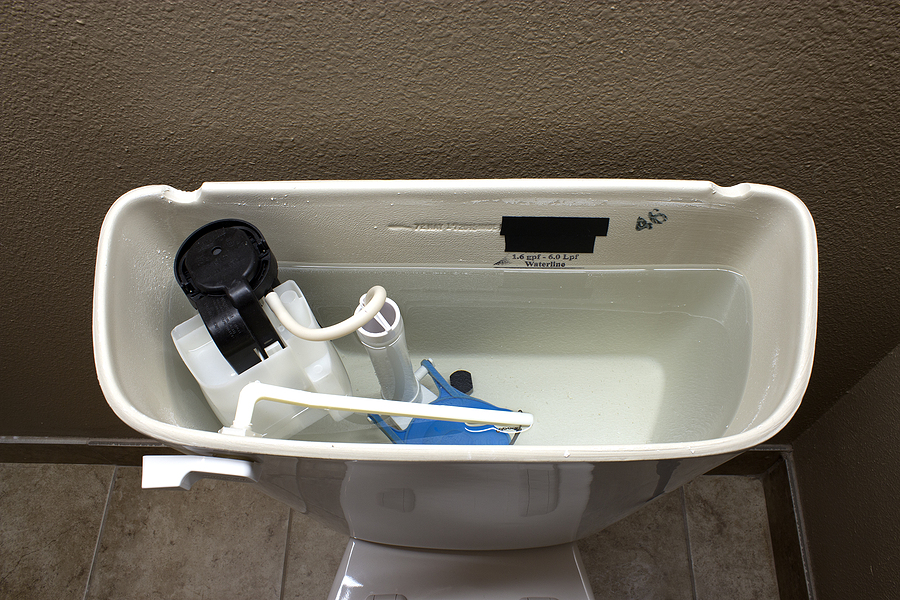
A running toilet is typically caused by one of three things: water leaking from the tank into the bowl through a faulty flapper, a float that’s set too high—allowing water to spill into the overflow tube—or a fill valve that’s no longer shutting off properly. Identifying which issue you’re dealing with is the first step toward fixing it.

Before you do anything else, turn off the water supply valve located at the base of the toilet and remove the tank lid. Set it somewhere safe. Now you’re ready to diagnose.

Step One: Inspect the Flapper
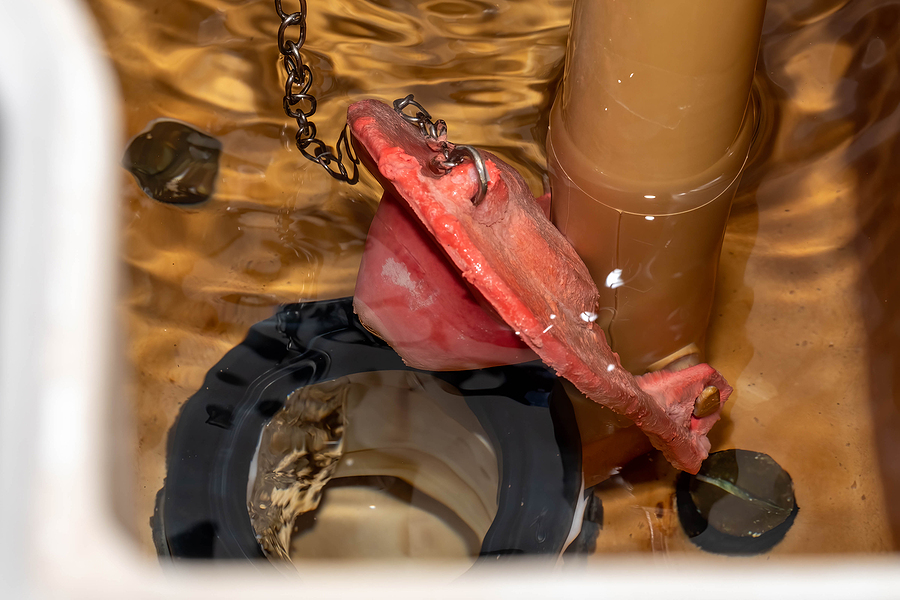
Toilet Flapper
Toilet Flapper

The flapper is the most common cause of a running toilet, so always check here first. The flapper is the rubber seal at the bottom of the tank. Every time you flush, it lifts to let water flow into the bowl, then drops back down to stop the flow. Over time, flappers can warp, crack, or accumulate mineral buildup—and when that happens, they can no longer form a tight seal.

To check if the flapper is leaking:

  1. Add a few drops of food coloring to the tank
  2. Wait 15–30 minutes without flushing
  3. If the color appears in the bowl, your flapper is leaking

Reach into the tank and feel the flapper. It should be soft and flexible. A stiff, brittle, or visibly warped flapper needs replacing. Fortunately, replacement flappers are inexpensive—usually just a few dollars at any hardware store—and most snap on and off in minutes.

While you’re in there, check the chain. The chain connects the flapper to the flush handle. If it’s too long, it can get caught under the flapper and prevent a proper seal. If it’s too short, the flapper won’t close at all. The ideal length leaves about half an inch of slack.

Step Two: Adjust the Water Level

If the flapper isn’t the problem, a water level that’s too high is likely causing water to spill constantly into the overflow tube. Open the tank and look at the overflow tube—the tall open pipe in the middle of the tank. If water is running into or near the top of that tube, your float is sitting too high.

The float is the buoyant device that rises with the water level and tells the fill valve when to shut off. Ideally, the water level should sit one to two inches below the top of the overflow tube. If it’s higher than that, water will drain continuously into the bowl.

To lower the water level:

  1. Locate the float adjustment screw at the top of the fill valve
  2. Turn it counterclockwise to lower the float
  3. Flush and refill the tank to check the new water level
  4. Repeat until the water stops before reaching the overflow tube

Some older toilets use a ball-cock float—a round ball attached to a metal arm. In that case, gently bend the arm downward to lower the float position.

Step Three: Repair or Replace the Fill Valve
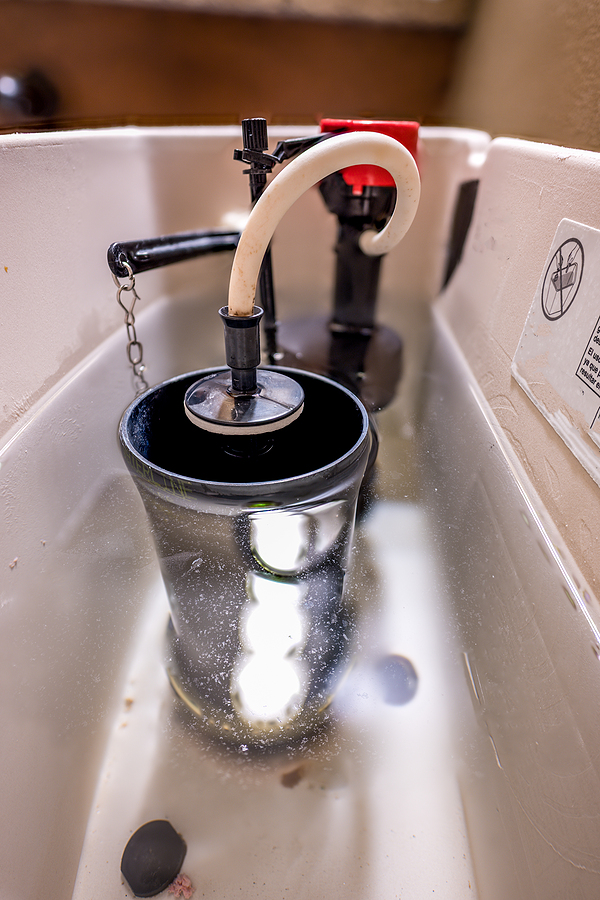
Water Supply Fill Valve

If you’ve adjusted the float and water is still running, the fill valve itself is likely worn out. The fill valve is the tall vertical component that connects to the water supply line and refills the tank after each flush. Inspect the top of the valve—if water is spraying or trickling from it, the internal seal has degraded and replacement is the most reliable solution.

To replace the fill valve:

  1. Turn off the water supply valve at the base of the toilet
  2. Flush to drain as much water from the tank as possible
  3. Use a towel to soak up any remaining water in the tank
  4. Disconnect the supply line from the bottom of the tank
  5. Unscrew and remove the old fill valve
  6. Insert the new valve, following the manufacturer’s instructions
  7. Reconnect the supply line, turn the water back on, and test

Replacement fill valves are widely available at hardware stores, and many come with detailed instructions. If hard water is common in your area, consider a valve that is rated for mineral-heavy environments—it’ll last significantly longer.

When to Call a Professional Plumber for Toilet Repair

Some toilet problems go beyond a worn flapper or a misbehaving float—and it’s important to recognize when DIY repairs have their limits. Contact a licensed plumber if you notice any of the following:

  • Cracked porcelain on the tank or bowl
  • Water leaking at the base of the toilet
  • Persistent running after replacing the flapper and fill valve
  • High water pressure throughout the home, which can cause ongoing toilet issues
  • Toilets manufactured before 1994, which may use significantly more than 1.6 gallons per flush and could benefit from full replacement

Need professional help? Schedule professional toilet repair in Indianapolis with Weilhammer Plumbing Company for fast, reliable service.

FAQ

Why does my toilet run every few minutes?

This is called “phantom flushing” and it usually means the flapper is leaking slowly. Water gradually seeps from the tank into the bowl until the level drops low enough to trigger the fill valve. Replacing the flapper typically resolves this.

Why is my toilet running after I flush?

If the toilet keeps running after flushing, the fill valve may not be shutting off properly—often because the float is set too high or the fill valve seal is worn. Work through Steps 2 and 3 above to diagnose the issue.

Why is my toilet running constantly?

Constant running usually means water is either flowing past the flapper into the bowl or spilling into the overflow tube without stopping. Check the flapper seal first, then assess the water level relative to the overflow tube.

Does a running toilet increase my water bill?

Yes, significantly. The EPA notes that a running toilet can waste up to 200 gallons per day—roughly 6,000 gallons per month. Depending on your local water rates, that can add a noticeable amount to your monthly bill.

How much does it cost to fix a running toilet?

DIY repairs are very affordable. A replacement flapper typically costs $5–$15, while a fill valve runs between $10 and $25. If you call a plumber, labor costs vary by location but the repair is generally straightforward and quick for a professional.

Quick Recap:

  • Turn off the water supply valve before inspecting the tank
  • Check the flapper for warping, brittleness, or chain length issues
  • Adjust the float so water levels off 1–2 inches below the overflow tube
  • Replace the fill valve if water continues to run after adjustments
  • Call a professional if you suspect cracked porcelain, base leaks, or persistent issues

Stop the Waste, Lower Your Bill

A running toilet is one of those problems that’s easy to ignore—until you see the water bill. The underlying cause is almost always mechanical, and in most cases, a new flapper or a quick float adjustment is all it takes to solve it.

Work through the steps in this guide and you’ll likely have your toilet running quietly again within the hour. And if the problem turns out to be more complex, don’t hesitate to call in a professional. A small repair today can prevent a much larger plumbing issue down the line.

Ready to get it fixed? Schedule professional toilet repair in Indianapolis and surrounding counties today for fast, reliable service. Our master plumbers know how to approach your toilet running issue with a quick, long-lasting solution.

Call for a Free Quote

Related Post: Do Not Let Your Guests Flush These Things Down the Toilet

10 Common Causes of Low Water Pressure in Your Home and How to Fix It

Do you have low water pressure in your home? If so, it can be an annoying and frustrating experience. Low water pressure can make showering, washing dishes, and other day-to-day activities more difficult. It can also cause damage to your plumbing over time. Fortunately, there are some common causes of low water pressure that you may be able to fix on your own without calling a plumber.

In this blog post, we’ll discuss 10 of the most common causes of low water pressure in homes and how to fix them with ease!

Is Your Water Pressure Low in Indianapolis Indiana? Call 317-784-1870 for Help!

10 Possible Reasons Why Your Water Pressure is Low

1. Clogged Pipes: If your home has old or deteriorating pipes, clogs can form and cause low water pressure. To fix this issue, you’ll need to shut off the water source and use a pipe cleaning tool to clear out any blockages in the line.

2. Corrosion: Aged pipes may corrode over time, leading to a decrease in water pressure. The only solution is to replace these pipes with new ones which will improve your overall water pressure significantly.

3. Leaks: Water leaks around your plumbing fixtures or in the walls can result in low water pressure as well. To fix a leak, you’ll need to locate the source of it and then use a patching kit or epoxy to seal the crack.

4. Unstable Water Pressure: If you’re experiencing low water pressure that changes from one area to another, it could be due to an unstable water pressure in your municipal water supply. In this case, you may want to consider installing a water pressure booster pump in order to bring up the overall water pressure.

5. Too Many Fixtures on One Line: If there are too many fixtures connected to the same line, it can cause low water pressure for all of them. To fix this problem, you’ll need to install additional lines and distribute your plumbing fixtures evenly across them for better performance and efficiency.

6. Low City Water Pressure: Sometimes, low water pressure may be due to the municipal water supply. To determine if this is the case, you should contact your local municipality and ask for a report on their current water pressure levels.

7. High Water Demand: If your home has recently experienced an increase in its daily water usage, it can lead to lower water pressure as well. In order to fix this issue, you should try using more efficient plumbing fixtures that can help reduce the demand on your overall system.

8. Hot Water Heaters: If your hot water heater isn’t working properly, it can also decrease the amount of available hot water in your home which can result in lower overall water pressure. To fix this problem, you’ll need to either repair or replace your hot water heater.

9. Air in the Pipes: If you’ve recently experienced construction work in your home, there may be air trapped in the pipes which can reduce the overall flow of water. To fix this issue, you should use a plumbing snake or an air compressor to force out any trapped air and restore normal water pressure levels.

10. Old Shut-Off Valves: Last but not least, old shut-off valves can cause low water pressure as well since they may not close completely due to erosion or wear over time. The best way to fix this is by replacing these valves with new ones that are designed for proper closure and performance.

You Do Not Need to Settle for Low Water Pressure in the House

Low water pressure in the house can be a nuisance but with the right knowledge and tools, you may be able to fix the issue on your own. Ask an experienced plumbing professional about water pressure regulators, water pressure boosters, and water pressure pumps. We hope this blog post has provided some helpful information about common causes of low water pressure in homes and how to fix them!

Still can’t seem to figure out your low water pressure problem? Contact Weilhammer Plumbing Company at 317-784-1870 for licensed and insured plumbing service in Indianapolis, Indiana. Our state-licensed master plumbers serve residential and commercial clients.

Related Posts:

Why Your Bathroom Sink Has Low Water Pressure
Top 3 Causes of Low Water Pressure at Home
The Difference Between Water Pressure and Water Volume

How to Make Your Own Plumbing Products: A Step-by-Step Guide

Do you want to make your own plumbing products, but don’t know where to start? With this step-by-step guide, you’ll be able to create the perfect plumbing product for your home in no time. From drain cleaners and toilet cleaners to deodorizers and descalers, we will show you how easy it is to make these essential items at home with simple ingredients that can be found around the house. So, grab a bottle of vinegar and some baking soda, and let’s get started on making your own plumbing products!

Call 317-784-1870 For Plumbing Service Near Indianapolis

Benefits of Creating Your Own Plumbing Products

When it comes to plumbing products, we often rely on store-bought solutions to get the job done. However, there are numerous benefits to creating your homemade plumbing products. One significant advantage is the peace of mind that comes with using non-toxic ingredients. By crafting your own solutions, you can ensure that the chemicals used are safe for the environment and your home.

Additionally, creating your plumbing products can save you money in the long run, especially when certain items need regular replacement. With a little research and experimentation, you can make cost-effective and efficient solutions that work just as well as store-bought products. So why not try your hand at creating your plumbing products? The process is not only empowering but also has a positive impact on the environment and your wallet.

Guide to Making Homemade Plumbing Solutions and Cleaners

Step One: Determine what type of product you need. Are you looking to unclog drains, clean toilets, deodorize the bathroom, or descale fixtures and appliances? Knowing which type of product you need will help you determine the ingredients necessary for your homemade plumbing products.

Step Two: Gather all necessary ingredients. For drain cleaners and toilet cleaners, a mix of baking soda and white vinegar usually does the trick. For deodorizers, try adding a few drops of essential oils such as lavender or eucalyptus to distilled water and mixing them together in a spray bottle. And for descalers, use a mixture of lemon juice and borax powder applied directly to the surface with an old cloth.

Step Three: Prepare the product. For drain cleaners and toilet cleaners, mix equal parts of baking soda and white vinegar in a bowl, and pour it into the clogged area or bowl respectively. Allow the mixture to sit for an hour before flushing with hot water. For deodorizers, shake your spray bottle vigorously to combine all ingredients together, then spray onto desired areas. And for descalers, apply your lemon juice and borax powder directly onto fixtures or appliances with an old cloth, rub gently, let sit for 10 minutes before rinsing with cool water.

Step Four: Test out your products! Once you have prepared your homemade plumbing products, test them out on small areas first to make sure they are safe to use. If you find that the product is working to your satisfaction, then proceed with using it on the entire area.

Conclusion

There you have it! Now that you know how to make your own plumbing products, you’ll never be without them when you need them most. And because these items are made from natural ingredients, they are safe for both humans and the environment. So, keep this guide handy next time you want to create a custom plumbing product in your home!

Need some professional plumbers’ help for your plumbing situations? Contact Weilhammer Plumbing Company at 317-784-1870 for licensed and insured plumbing service in Indianapolis, Indiana. Our state-licensed master plumbers serve residential and commercial clients.

Related Posts:

How to Make Homemade Fizzy Toilet Bombs
How to Make Homemade Drain Dissolving Cleaner
Non-Toxic Cleaning Solutions You Can Make Yourself

The Benefits of Installing a MOEN® Faucet in Your Kitchen

Are you looking to upgrade the look and functionality of your kitchen or bathroom? Installing a MOEN® faucet is one of the best ways to do just that. With its sleek design, intuitive features, and easy-to-use controls, a MOEN faucet can help make your space more efficient and visually appealing. In addition, with professional installation services from qualified experts, like our team here at Weilhammer Plumbing Company, you can rest assured that your new MOEN® faucet will be installed correctly and quickly so you can start enjoying all its benefits in no time!

Bathroom, kitchen, or bar, continue below to learn some of the top advantages that come with installing a MOEN® faucet in your home or office.

Call 317-784-1870 For MOEN Faucets and Installation in Indianapolis, Indiana.

5 Reason Why So Many Homeowners Choose MOEN® Faucets and Fixtures

With MOEN faucets and fixtures, homeowners can easily spruce up their kitchen or bathroom in no time. From traditional to modern designs, MOEN has a variety of options to choose from. Not only can they dramatically transform the look of a room, but they also come with features like water-saving technology. Their spot-resistant finish is ideal for busy households as it prevents buildup of water spots, drips, and streaks. For those looking for a new faucet that’s visually appealing and reliable, choosing MOEN faucets gives their home an instant transformation. Plus, there are many styles available to match almost any decor. Whether it’s for hygiene reasons or purely decorative updates, these versatile pieces make it easy to get the job done efficiently.

Here are the top 5 reasons why so many home and business owners continue to choose MOEN® as their go-to faucet brand:

1. Durability: MOEN® faucets are designed to last for years, so you can feel confident that your investment will pay off in the long run. Not only do these products offer a lifetime warranty, but their quality construction also ensures that your new faucet will stand up to regular use and remain in great condition for years to come.

2. Variety of Styles: With a wide selection of styles and finishes to choose from, you’re sure to find one that perfectly matches the look and feel of your kitchen or bathroom. And with the ability to pair different features like pull-down sprayers or single handle controls, it’s easy to customize your faucet according to your exact preferences.

3. Ease of Use: Thanks to the MOEN® innovative designs, using the faucet is easy and intuitive. With simple controls and a clear interface, even the most novice user can figure out how to get the perfect temperature and flow in no time.

4. Professional Installation Services: Weilhammer Plumbing Company offers professional installation services for all your MOEN® faucet service and sales needs. We make sure that your new faucet fits correctly and correctly connected so you don’t have to worry about any potential issues down the line. 

Contact Us for MOEN® Faucet Sales and Installation

Installing a MOEN® faucet in your bathroom or kitchen is an excellent way to upgrade its look, feel, and functionality without breaking the bank. If you want to get all these benefits and more, Weilhammer Plumbing Company is here to help! From selection to installation, our team of experts is dedicated to making sure that everything goes smoothly so you can enjoy your new MOEN® fixture as soon as possible. Not only do our master plumbers and plumbing technicians specialize in the installation of plumbing fixtures, offering top quality service with every job we do, but we also carry a select line of MOEN® faucets for at near-wholesale prices.

Ready to get your new MOEN faucet installed? With our Indianapolis faucet installation and repair services, we will ensure that your new faucet fits correctly, is securely connected, and works properly for years to come. Contact us today at 317-784-1870 for a free quote and get started on giving your kitchen the upgrade it deserves!

Related Posts:

Quick Guide to Choosing a New Faucet
Why is My Faucet Water Cloudy Then Clear?
5 Contemporary Faucet Styles for Bathroom and Kitchen Sinks

How to Show Your Support For World Water Day

World Water Day is an annual event that celebrates the importance of water and encourages us to take action in preserving it. This year, World Water Day is Today, March 22nd, and it’s a great opportunity for all of us to reflect on what we can do to conserve water. Every drop counts! From small changes like taking shorter showers or turning off the tap when brushing our teeth, to larger scale initiatives such as installing rainwater collection systems at home or participating in clean-up events – there are many ways that we can contribute towards conserving this vital resource.

In this blog post, let’s explore some simple yet effective ways you can help preserve water today and every day! Scroll down to get started!

Today is World Water Day!

Happy World Water Day!

Lend your support this World Water Day and make a difference in the lives of those without reliable access to clean water. There are countless ways you can join the cause, from directly donating to grassroots organizations, sharing valuable information on social media, or even supporting local businesses that prioritize sustainable practices. Every effort matters!

Now, let us discover some simple and effective methods that can help to conserve water on a daily basis:

💧 Start at Home

The simplest way to conserve water is to start with your household habits. Try taking shorter showers and turning off the tap when brushing your teeth, washing dishes, or scrubbing vegetables. If possible, install a low-flow shower head or faucet aerator that uses less water than standard fixtures. While doing laundry, make sure you’re only washing full loads of clothes and always double check for leaks in hoses and pipes around the house.

💧 Use Rainwater

Rainwater is a great source of clean water that can be collected and reused in various ways such as watering plants, flushing toilets, or even cleaning cars. All you need is some form of collection system such as barrels, tanks, or even recycled materials.

💧 Get Involved in Clean-Ups

World Water Day is the perfect time to get out and join your local community for a clean-up event! Participating in beach and riverbank clean ups helps reduce pollutants that can enter our water systems, as well as help to remove trash before it blocks waterways or destroys habitats of aquatic creatures.

💧 Spread Awareness

World Water Day presents an opportunity to raise awareness about water issues and encourage others to do their bit towards preserving this precious resource. Talk to your family, friends and colleagues about how they can make small changes at home that will have a positive impact on the environment. You can also share World Water Day posts via social media platforms to inspire others to take action.

Get Your Friends and Family Onboard With Water Preservation!

We all have a role to play in preserving water, and World Water Day is the perfect time to start! Keep these simple tips in mind and do your part towards making sure that our planet has enough water for future generations. Together we can make a difference!

Are you looking for budget-friendly ways to improve the overall quality of your home’s water? Contact Weilhammer Plumbing Company at 317-784-1870 for water softener sales, service, and installation in Indianapolis, Indiana. We serve residential and commercial customers, and service all make and model saltfree water softeners.

Related Posts:

Support Earth Day This Week With These Money-Saving Plumbing Tips
Celebrate World Plumbing Day By Sharing These Fun Plumbing Facts!
3 Simple Ways to Conserve Water in the Bathroom

Most Likely Reasons Why Your Bathtub is Draining So Slowly

If your bathtub is draining slowly, there are a few different things that could be causing the problem. First, check the drain for a clog. If the drain is clear, try to clean out the P-trap. If neither of these solutions works, you may have a leak in the drainpipe. Continue below to learn more about these 3 common bathtub drain problems, plus what to do about them.

Learn how to repair a slow draining bathtub drain!
Bathtub Plumbing Repair Indianapolis Indiana 317-784-1870

Top 3 Causes of a Slow Draining Tub

One of the most common reasons why your bathtub is draining slowly is because of a clog in the drain. Over time, hair, soap scum, and other debris can build up in the drain, causing a blockage. This can cause water to drain slowly, or even back up into the tub. If you notice that your bathtub is draining more slowly than usual, you may want to check the drain for a clog.

Another reason why your bathtub may be draining slowly is because of a problem with the P-trap. The P-trap is a curved pipe that connects the drain to the main sewer line. It traps water in order to prevent sewer gases from entering the home. Over time, the P-trap can become corroded or clogged, which can cause water to drain slowly. If you suspect that the P-trap is the problem, you can try to clean it out with a plunger or a plumber’s snake.

Finally, another possibility is that there is a leak in the drain pipe. This can happen if the drainpipe is old or has become damaged. A leak in the drainpipe can cause water to drain slowly, or even to back up into the tub. If you think that there may be a leak in the drainpipe, you should call an Indianapolis master plumber to have it repaired.

Troubleshooting Bathtub Drainage Issues

Bathtub drains can be a source of frustration when they become clogged or slow to drain. Luckily, there are a few simple troubleshooting tips you can try to get your drain flowing again. If your tub drain is clogged, the first step is to try using a plunger to dislodge the obstruction. In the case that doesn’t work, you can try using a drain snake or auger to reach down into the drain and clear the blockage. If the bathtub is slow to drain, it may be due to a build-up of hair and soap scum, as mentioned earlier. Again, you can try removing this buildup by using a plumbers’ snake or a drain cleaner specifically designed to break up soap scum.

If you’re still having trouble with your bathtub in any way, shape, or form, it’s time to call in a professional plumber in Indianapolis for help. They will be able to quickly diagnose the problem and get your drain flowing freely again.

Do you have some bathroom or household plumbing issues that are wasting water and money? Contact Weilhammer Plumbing Company at 317-784-1870 for licensed and insured plumbing repair services in Indianapolis, Indiana, and its surrounding counties. We serve residential and commercial customers.

Related Posts:

Why Your Bathroom Sink Has Low Water Pressure
Why is There Sand in My Bathtub?
Why Does My Bathtub Drain Smell Bad?

How to Solve Your Bathroom Exhaust Fan Problems

The bathroom exhaust vent fan requires annual maintenance to increase its performance value and lifespan. It is used for removing excess moisture in the air after a hot shower or bath. If never removed, this moisture can lead to mold and mildew growth, which is simultaneously dangerous to our health and destructive for our homes. 

Continue reading to learn how to properly clean and maintain bathroom exhaust vent fans.

Bathroom Plumbing Repair Indianapolis Indiana 317-784-1870

How Bathroom Fans Work

Bathroom exhaust fans are powerful enough to exhaust nearly two million cubic feet of air per year if turned on for one hour each day! They draw air from the bathroom and vent it outside. As the vent draws air in, other airborne particles come with it, like dust, dander, and debris. These particles accumulate on the outer grid cover and fan motor, reducing performance value and efficiency. Both of these areas must be cleaned in order to maintain an operational bathroom exhaust vent. Dust and debris should be wiped clear every six months to a year, depending on the size of a bathroom and the number of occupants in a home.

How to Clean the Bathroom Exhaust Vent:

To get started, you will need a vacuum with a brush attachment, a step stool, and a towel. The first step begins at the circuit breaker box. Be sure to flip the fuse to the bathroom fan so it has no power. This will eliminate electrocution accidents and injuries.

Next, use your step stool to get in arms reach of the vent. Most are located on the ceiling, but some may be on the side of a wall, right beneath the ceiling.

Slowly pull the grid cover to the vent down until it is a few inches from the ceiling. At this point, you will be able to see metal spring clips on each side of the grid cover. Press them together simultaneously and release them from their slots in the fan housing, then remove the cover from the ceiling entirely.

Place the vent cover on the towel and vacuum it clean with your brush attachment. You may also use paper towel and mild cleaning solution to wipe it clean after vacuuming. Do this for both sides.

Next, using your brush attachment, gently vacuum the fan housing and blower motor. You can choose to use the crevice tool vacuum attachment to reach deeper, harder-to-reach spots.

Now you are ready to attach the cover back to the ceiling and exposed fan housing.

To do this, hold the vent cover while pressing together both metal spring clips. Slip the clips back into their slots inside the fan housing. Gently push the cover back onto the ceiling.

For safe and secure solutions to all your plumbing maintenance and repair needs, be sure to contact a qualified and licensed Indianapolis plumbing company that can provide comprehensive bathroom plumbing repair services and more.

Are you ready to have your bathroom plumbing inspected and repaired by a licensed plumber in your area? Contact Weilhammer Plumbing Company at 317-784-1870 for licensed and insured plumbing inspection service and plumbing repair in Indianapolis, Indiana. We provide residential and commercial service throughout Central Indiana.

Related Posts:

3 Simple Ways to Conserve Water in the Bathroom
How to Stop an Overflowing Toilet
What You Need to Know Before Installing a Steam Shower in Your Bathroom

Frequently Asked Questions About Residential Plumbing

Whether you are a first-time homeowner or have owned your house for a long time, it is vital to stay up to date with your plumbing systems. Reviewing some common tips and general information from time to time can refresh your memory and help you do a better job of taking care of your home. Continue reading to review some unique, but important, frequently asked questions about home plumbing.

Residential Plumber Indianapolis Indiana 317-784-1870

Home Plumbing FAQS You Want to Know

What is Hard Water?

Hard water is water that is polluted with high levels of contaminates, such as iron salts, calcium, and magnesium.  If you are starting to notice subtle changes in your dishes, skin, laundry, and plumbing fixtures, it may be related to a hard water issue. A water filtration system, coupled with a quality water softener, can eliminate these mineral ions plus reduce the level of hardness in your home’s water.

Why Does My Water Take So Long to Heat Up?

There are some common reasons why your water heater might be taking too long to heat your water up. Most often, the water heater is just too old or defective. Otherwise, you could have too much sediment buildup at the bottom of the tank, low volume restrictors installed on your plumbing fixtures, or too much distance between the location of the water heater and your point-of-demand. To fix this problem, you will need to contact a professional Indianapolis plumber who specializes in hot water heater repair and service.

How Do I Unclog a Backed Up Toilet?

Large debris can get stuck, like toilet paper, hair ties, and more. In this case, you will need to use your plunger to plunge the toilet bowl for 30 seconds. But before you do, be sure there is not too much water in the toilet bowl. If there is, empty as much water as needed with a separate cup or bowl. Try flushing the toilet to see if the plunger loosened up the clog. If it didn’t, try again or check to see if the flapper is the issue. If you cannot clear a clogged toilet bowl with a plunger, then you will need to call a licensed plumber for help.

How Do I Remove the Crusty Substance on the Shower Head and Faucet?

Remove the shower head by unscrewing it from the spout.  Place it in a bowl with hot water and one cup of household vinegar.  Leave it overnight then scrub it clean the next morning.  If you cannot screw the shower head off, put the vinegar solution in a plastic bag and place it over the spout, attaching and securing it with a tie.  If the substance does come off completely, re-do the process using less water and more vinegar.

How Do I Get Rid of Odor in My Garbage Disposal?

The odor most likely is coming from an accumulation of food scraps and other debris.  To remove the smell, you can put a mixture of ice cubes and lemon peels down the disposal and run it, then with disposal still running, flush it with cold water for a minute.  If this does not do the trick completely, add a few drops of dish soap with cold water for another thirty seconds. This household remedy is a popular solution to foul smelling garbage disposals.

How Often Should a Septic Tank Be Pumped?

An inspection or cleaning should be done once every few years or so, depending on the size of the make and model septic system in place.  In smaller systems, once every three years is sufficient; however, a large tank would require an inspection once every two years or less.  The larger the system, the more often it will require service.

Am I Smelling Natural Gas in My House?

Natural gas smells like rotten eggs.  If you smell this in your home or building, first, turn off all appliances that use gas. Then open a few windows or doors to let the gas air out. Once you have done this, check the range, water heater, and furnace pilot lights; if one light is out, relight it. If they are not the issue, call your local gas provider and report the smell right away.

Why Did My Plumbing Pipes Go Bad?

There are several reasons why plumbing pipes go bad. It can be due to old age, poor installation, incompatibility, material quality issues, corrosion, external structural damages, and much more.

Should I Re-Pipe or Repair the Plumbing?

In many cases, plumbing pipes do not require replaced, but rather repaired. If one or two plumbing pipes burst or incur some sort of damage, they can simply be replaced through trenchless piping or other repair techniques. However, there are other cases in which the whole house plumbing system should be re-piped. Talk to in Indianapolis plumber to determine the best course of action for your plumbing pipe renovation needs.

How Do I Know if I Have a Plumbing Leak?

As someone who regularly pays your water and energy bills, you know when something is a little off. Suddenly higher utility bills are one of the first signs of a hidden plumbing leak in the home. If you are utility bills are higher than usual, or have seen a sudden spike in cost, it could be an indication that you have a hidden plumbing leak somewhere in your system. First, contact your utility company to confirm that your bill is correct, and if it is, your next step is to contact in licensed plumber for a home plumbing inspection in Indianapolis.

Do you think your plumbing system could use some TLC? Contact Weilhammer Plumbing Company at 317-784-1870 for professional plumbing services in Indianapolis, Indiana. We serve residential and commercial clients and are state-licensed master plumbers.

Related Posts:

Tips for DIY Home Plumbing Inspections
5 Signs of a Hard Water Problem
How to Fix a Clogged Toilet When You Do Not Have a Plunger

3 Simple Ways to Conserve Water in the Bathroom

Contributing to the betterment of the environment is something anyone can do. In fact, it is easy, and it can save you money! If you’re interested in helping the planet Earth, a good place to start is water conservation. After all, water is precious and none of it should go to waste. Which room in your home uses the most water? Arguably, you could say the kitchen, but most often, it’s the bathroom!

Continue reading to learn 3 simple ways to conserve water in the bathroom, plus what to do if you are dealing with plumbing issues that are wasting water and increasing your utility bills.

Bathroom Plumbing Repair Indianapolis IN 317-784-1870

Bathroom Water Conservation

Because bathroom water conservation is so easy to do, you can get your entire family or roommates involved too! Here are the three easiest and most cost-effective ways to cut back on water consumption in the bathroom:

Install Low-Flow Plumbing Fixtures

Shower heads and faucets are plumbing fixtures that are notorious for wasting water. The flow of water ejected from these fixtures is so strong that the average showerhead or faucet can fill a 5 gallon tank every minute. You can reduce the amount of water your plumbing fixtures emit by installing low-flow showerheads or low-volume water restrictors in your faucets. These plumbing fixtures can reduce water flow down to two half gallons per minute. Not only does this help the planet by conserving water, but it also significantly reduces your water bill every month.

Reduce Bathing Time

Although it can be really challenging to do after a long day of work or a really hard week, one way you can easily conserve water in the bathroom is to reduce your bathing time. Cut back on how long you run a shower before you get in, plus how long you take a shower. Also consider ways to avoid leaving the faucet running while you do other things in the bathroom, like brushing your teeth, washing your hands, removing your makeup, or shaving. For instance, use a mug of water to rinse your razor in between strokes, and simply shut the faucet off while you’re scrubbing your teeth or face clean.

Stop Using the Bathtub

Many people enjoy a good long soak in a hot bath every once in a while, which is perfectly fine. But if you are someone who frequently takes baths, you might want to reconsider your options. The average bathtub holds and drains between 35 and 50 gallons of water. In comparison, a ten minute shower will usually consume around 25 gallons of water.

Bonus Tip:

Another effective way to conserve water in the bathroom is to have any water leaks repair right away. A dripping faucet can waste a lot of water, more than you would think. In fact, a leaky faucet can waste up to 20 gallons of water a day. Think about how this could impact your water bill each month.

Do you have some bathroom or household plumbing issues that are wasting water and money? Contact Weilhammer Plumbing Company at 317-784-1870 for licensed and insured plumbing repair services in Indianapolis, Indiana, and its surrounding counties. We serve residential and commercial customers.

Related Posts:

The Most Effective Water Conservation Tips to Try in the New Year
Money-Saving Plumbing Tips You Don’t Want to Ignore
4 Ways to Go Green With Home Plumbing

Why You Should Hire a Professional for Drain Cleaning Service

Although there are drain augers and plastic drain snakes available on the market, these should only be used for minor clogs. If you are experiencing moderate to severe drain issues, you need comprehensive drain cleaning, which is a service that should only be carried out by a licensed and insured plumbing professional.

Continue reading to learn why such plumbing services are strictly for trained and equipped professionals, plus where to get a free estimate for drain clearing and cleaning in Indianapolis.

Drain Cleaning Service Indianapolis Indiana 317-784-1870

Common Signs of Drain Trouble

It is easy to tell when you have a minor clogged drain problem. A slow draining sink or bathtub is likely the result of a minor obstruction or blockage within the drain itself. Typically, this is caused from shampoo and soap residues, hair, and general dirt and debris. Even if the drain is entirely clogged, it is likely a minor blockage that can be dislodged using a plunger or drain snake. On the other hand, a drain snake does not work on tougher drain problems, which tend to evade your attention for some time because they happen out of view. This is why regular home plumbing inspections are important.

Some common signs of moderate to major drain clogs include:

▭ A clogged drain that will not dislodge with a plunger or drain snake.
▭ A burst or leaking plumbing pipe.
▭ Water leaking from the base of the toilet.
▭ A bubbling toilet.
▭ Drains that smell bad.
▭ Puddles around the bathtub, shower, or sink.

If you are experiencing one or more of these drain issues, you will need to quickly hire a licensed plumber who can provide professional drain clearing and cleaning services.

The Importance of Hiring a Professional for Drain Repair and Cleaning

Professional plumbers are licensed and insured to perform comprehensive drain repairs and drain clearing services. They retain the proper permits, training, equipment, and resources to clean drains according to local building codes. In many cases, moderate to severe drain problems must be approached using video pipe inspection equipment and high-powered hydro-jetting technology, which uses high pressured hot steam to release and clear drain blockages. For less serious drain issues, a plumber may use a commercial hand-crank drain snake or motorized auger with success.

Are you worried that your drainage system might be having trouble? Contact Weilhammer Plumbing Company at 317-784-1870 for licensed and insured plumbing inspection service for drains, pipes, and more. We provide residential and commercial plumbing services in Indianapolis all throughout Central Indiana.

Related Posts:

Why You Need to Stop Using OTC Drainage Cleaner
How to Make Homemade Drain Dissolving Cleaner
How to Solve a Dishwasher Drainage Problem