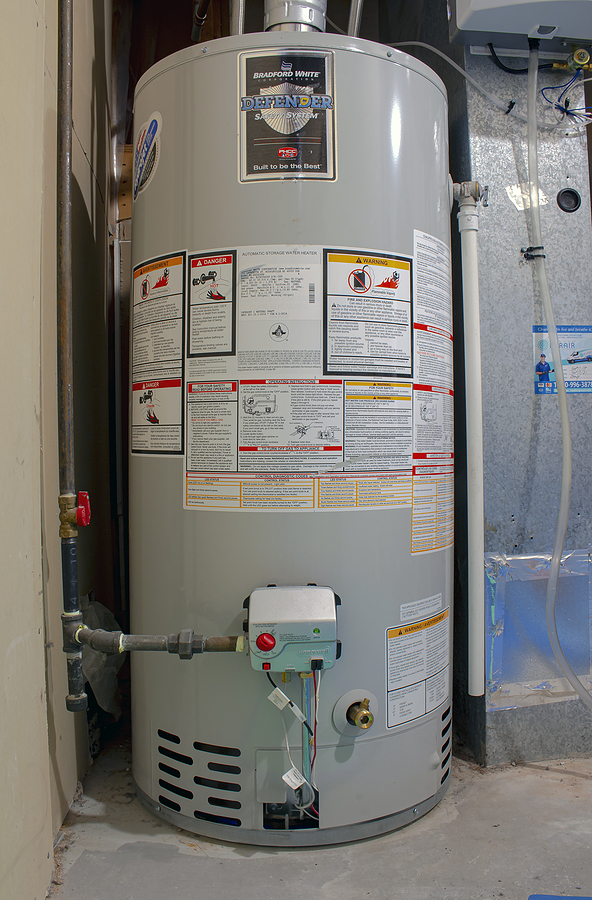
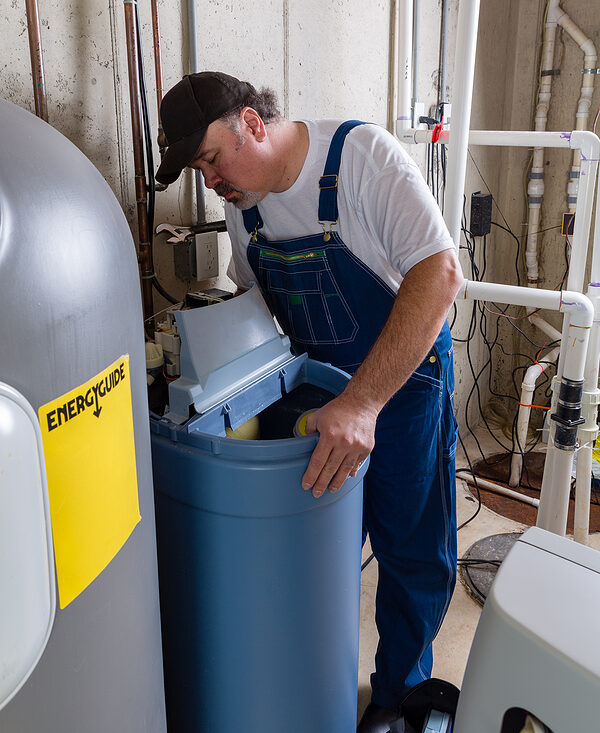
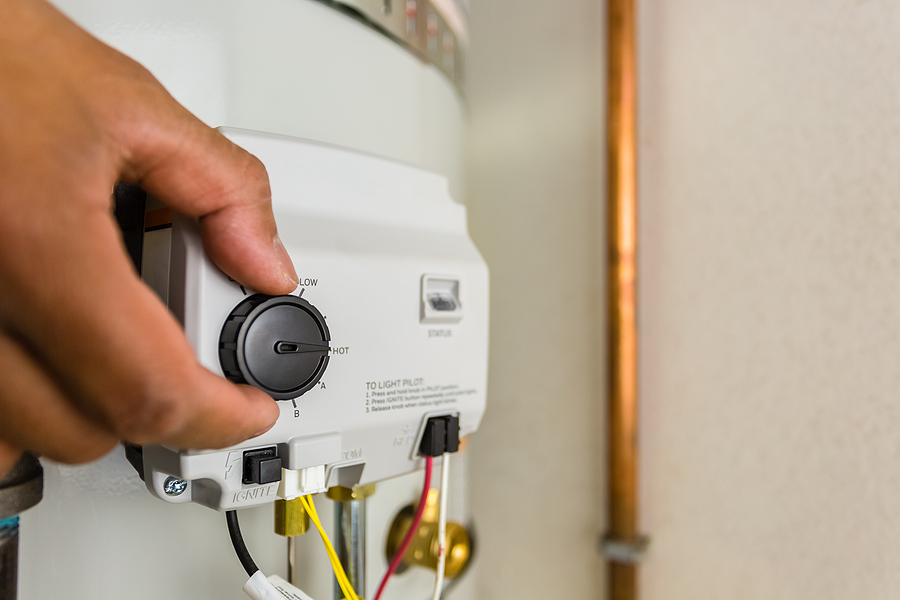
Rheem Water Heater Warranty: What You Need to Know Before You Buy

There are few household emergencies more disruptive than waking up to an icy shower. When your water heater fails, the immediate reaction is often panic, followed closely by a scramble to find a replacement or repair service. In these moments, the fine print of a manufacturer’s warranty becomes incredibly important, yet it is often the last thing on a homeowner’s mind until it’s too late.

Rheem is one of the most recognizable names in the water heating industry, known for producing reliable, energy-efficient units found in millions of homes across the country. But purchasing a water heater is a significant investment, and understanding the protection that comes with that investment is crucial. Does a Rheem warranty actually cover the costs that matter? How does it stack up against competitors like A.O. Smith or Bradford White?

This guide breaks down exactly what a Rheem water heater warranty entails, helping you decide if this trusted industry giant offers the peace of mind you deserve.

Call 317-784-1870 For Rheem Water Heater Installation in Indianapolis

Overview of Rheem’s Manufacturer Warranty

Rheem offers a variety of warranty tiers depending on the specific model you purchase. Generally, their residential tank water heaters fall into three main categories regarding coverage duration: 6-year, 9-year, and 12-year warranties.

It is important to understand that a “12-year warranty” does not usually mean the entire unit is covered for free replacement for a decade and a half. The warranty is typically split into three distinct areas: the tank, the component parts, and labor.

Coverage Breakdown

  • The Tank: This is the core of the warranty. If the glass-lined steel tank develops a leak due to a defect in materials or workmanship within the coverage period (6, 9, or 12 years), Rheem will generally provide a replacement water heater.
  • Component Parts: This covers the functional parts of the heater, such as the gas valve, burner assembly, thermostat, or heating elements. These parts typically share the same warranty duration as the tank.
  • Labor: This is where many homeowners get caught off guard. Standard Rheem warranties typically cover labor costs for only one year. After the first year, if a part breaks, Rheem may send you the free part, but you will have to pay a plumber to install it. Note that some premium “Performance Platinum” models may have extended labor warranties (up to 3 years), but this is the exception, not the rule.

What Is NOT Covered?

Manufacturer warranties are designed to cover defects, not normal wear and tear or environmental damage. Common exclusions found in Rheem’s fine print include:

  • Sediment and Scale Buildup: If hard water ruins your element or causes the tank to overheat and crack, this is often considered a maintenance issue, not a defect.
  • Thermal Expansion: If you have a closed water system and do not have a thermal expansion tank installed, the fluctuating pressure can damage your water heater. This damage is frequently excluded from warranty coverage.
  • Dry Firing: Turning on an electric water heater before the tank is full of water will burn out the element instantly. This is considered improper installation.
  • Anode Rods: These are “sacrificial” rods designed to corrode so your tank doesn’t. They are maintenance items and are generally excluded.

How to Make a Warranty Claim

If you suspect your Rheem unit is failing under warranty, follow these steps:

  1. Locate Your Serial Number: You can find this on the rating label sticker on the side of the water heater.
  2. Verify Status: Visit the Rheem website and use their warranty verification tool. You will need the serial number to confirm if the unit is still within its coverage period.
  3. Contact a Pro: While you can call Rheem directly, it is often faster to contact a licensed plumber or the installer. They can diagnose the issue, confirm it is a warrantable defect, and handle the paperwork and parts exchange with a local distributor.

Get a Free Water Heater Installation Quote in Indianapolis

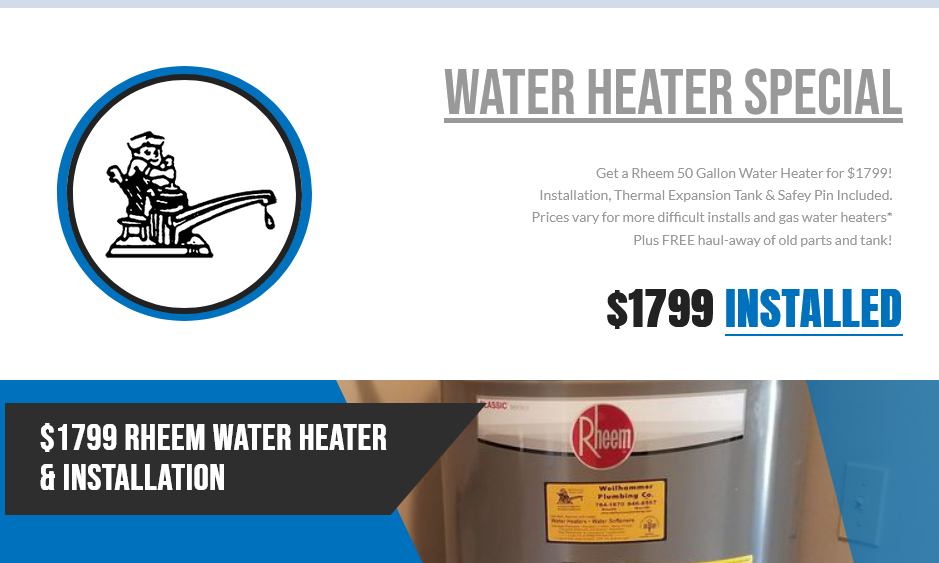
Get a Rheem 50 Gallon Water Heater for $1799!
Installation, Thermal Expansion Tank & Safey Pin Included!
Call 317-784-1870 to Get a Rheem 50 Gallon Water Heater for $1799!

Rheem vs. The Competition

Rheem is a market leader, but how does its protection compare to other big players like A.O. Smith, Bradford White, and Kenmore?

Rheem vs. A.O. Smith

A.O. Smith is a direct competitor often found at Lowe’s (whereas Rheem is Home Depot’s primary brand).

  • Similarities: Both offer the standard 6, 9, and 12-year tiered system. Both exclude anode rods and sediment damage.
  • Differences: The warranty terms are nearly identical in the residential sector. The choice often comes down to availability in your area. If your local Home Depot stocks Rheem parts, a Rheem unit might be easier to service quickly than an A.O. Smith unit.

Rheem vs. Bradford White

Bradford White is unique because their units are typically sold only through licensed wholesalers to professionals, not directly to consumers at big-box stores.

  • The Pro Factor: Bradford White warranties are solid (often 6 or 10 years), but because they are “pro-only,” homeowners cannot easily walk into a store to buy a replacement part. You almost always have to go through a plumber.
  • The Rheem Advantage: Rheem parts are widely available to the public. If you are a handy homeowner, you can buy a Rheem element or thermocouple off the shelf and fix it yourself, which is a significant advantage for Rheem regarding long-term ownership costs.

Rheem vs. Kenmore

Kenmore water heaters have historically been popular, but the brand landscape has drastically changed.

  • Licensing: Kenmore appliances are often manufactured by other companies (rebranded). In the past, many Kenmore water heaters were actually made by A.O. Smith or Rheem.
  • Service Limitations: Since Sears has reduced its retail presence significantly, finding direct support or specific “Kenmore” parts can sometimes be more frustrating than dealing with a direct manufacturer like Rheem.

Analysis: Is a Rheem Water Heater a Good Buy?

When weighing the warranty against the performance, is Rheem the right choice for your home?

The Pros

Accessibility: Rheem’s presence in major retailers means that warranty replacements and parts are rarely far away. In a no-hot-water emergency, speed is everything.

  • Reliability: Rheem consistently ranks highly for durability. The “Performance Platinum” series, in particular, offers high efficiency and smart features (like WiFi monitoring) that can alert you to leaks before they become disasters.
  • Clear Terms: While no warranty is perfect, Rheem’s documentation is generally transparent about what is and isn’t covered.

The Cons

  • Labor Costs: Like most manufacturers, the one-year labor limit is a pain point. If your tank fails in year four, you get a free tank, but you might pay $400+ for a plumber to install it.
  • Strict Exclusions: Rheem is strict about installation codes. If your unit wasn’t installed perfectly (e.g., missing a drain pan or expansion tank where required), they may deny a claim.

Verdict

A Rheem water heater is an excellent buy for most homeowners. While their warranty terms are standard for the industry rather than exceptional, the brand’s reliability and the widespread availability of parts give it a distinct edge. You are buying into an ecosystem where service and replacement are straightforward, which is exactly what you need when the hot water stops flowing.

However, the best warranty is one you never have to use. Ensure your new unit is installed by a licensed professional who adheres to all local codes—this is the best way to ensure your warranty remains valid for the long haul.

Need a new water heater in Indianapolis? Don’t let a cold shower ruin your morning. For a limited time, Weilhammer Plumbing Company is offering a brand new Rheem 50 Gallon Water Heater for just $1799! This offer includes professional installation, a thermal expansion tank, and a safety pin to ensure your home is safe and code-compliant.

Click here to claim this special offer and restore comfort to your home today.

Related Post: Is it Time for Me to Buy a New Hot Water Heater?
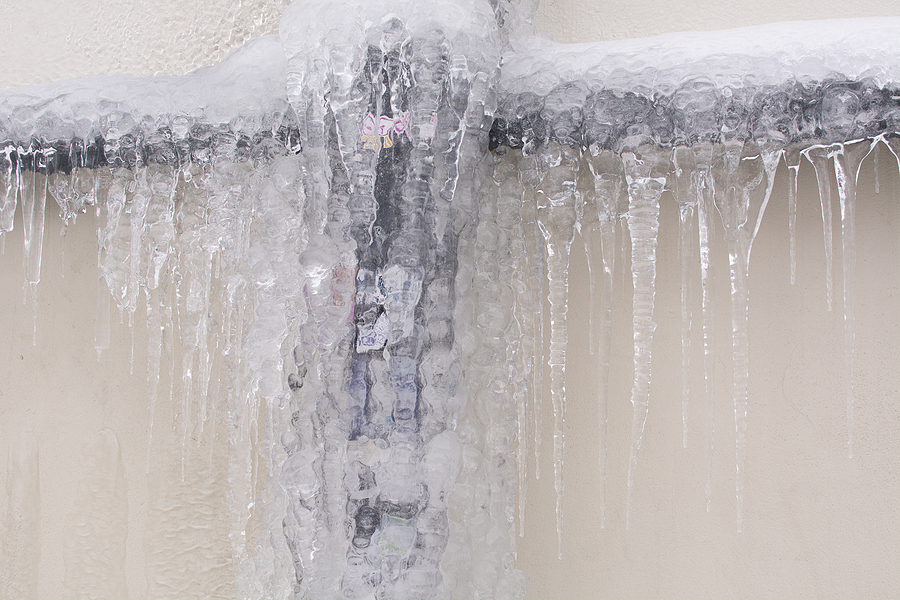
Winter Plumbing Tips: How to Protect Your Pipes from Freezing

A fresh blanket of snow can turn an Indiana winter into a picturesque scene, but those dropping temperatures bring hidden dangers to your home. While you’re bundling up in coats and scarves, the water inside your plumbing system is at risk of freezing. A frozen pipe isn’t just a minor inconvenience that stops the water flow; it’s a ticking time bomb that can lead to catastrophic bursts and thousands of dollars in water damage.

Winterizing your home is an essential part of responsible homeownership. By taking a few proactive steps before and during the coldest months, you can safeguard your property against the harsh elements. This guide explores why pipes freeze, how to prepare your home, and what steps to take if you find yourself facing a plumbing emergency.

Call 317-784-1870 For Frozen Pipe Plumbing Repair in Indianapolis

Why Frozen Pipes Are a Major Problem

Water has a unique property that makes it particularly dangerous for your plumbing: it expands when it freezes. This expansion puts tremendous pressure on whatever is containing it, whether that’s metal or plastic piping. No matter the strength of the container, expanding water can cause pipes to break.

The damage often isn’t immediately visible. A crack as small as one-eighth of an inch can spew up to 250 gallons of water a day, causing flooding, structural damage, and the potential for mold growth. The pipes most at risk are those located in unheated interior spaces such as basements, attics, and garages. However, even pipes running through cabinets or exterior walls can freeze if the temperature drops low enough.

Understanding these risks underscores why preparation is not just recommended—it is necessary.

Plumbing Preparation Before Winter Hits

The best time to protect your home is before the first deep freeze settles in. Taking preventative measures in the fall can save you significant stress and expense later.

Insulate Your Pipes

Insulation acts as a barrier, keeping the heat in and the cold out. Focus on insulating pipes in unheated areas like the garage, crawl spaces, and the attic. You can purchase pipe sleeves or UL-listed heat tape from your local hardware store. Even a quarter-inch of newspaper can provide some degree of protection in areas that usually don’t see frequent freezing temperatures, though professional insulation materials are far more effective.

Seal Leaks and Cracks

Cold air drafts are a pipe’s worst enemy. Inspect your home for cracks and openings around windows, doors, and sill plates where the house rests on its foundation. Seal these gaps with caulk or insulation to keep cold air from reaching your plumbing. Don’t forget to seal basements and crawl spaces as tightly as possible; if you have a crawl space, use vents and doors to eliminate drafts.

Manage Outdoor Plumbing

Outdoor hoses and faucets are often the first to freeze. Disconnect, drain, and store all garden hoses. Close the inside valves supplying outdoor hose bibs, then open the outside hose bibs to allow any remaining water to drain. Keeping the outside valve open ensures that any water left in the pipe can expand without causing the pipe to break.

Request a Home Plumbing Inspection Right Now

Protecting Your Plumbing During Winter Months

Once winter arrives, your daily habits can play a significant role in preventing frozen pipes.

Maintain a Consistent Thermostat

It might be tempting to lower the heat at night or when you’re at work to save on energy bills, but keeping a consistent temperature is safer for your plumbing. Fluctuating temperatures can increase the risk of freezing. If you plan to be away during cold weather, leave the heat on in your home and set the thermostat to a temperature no lower than 55° F.

Let Faucets Drip

When the weather outside is extremely cold, let the cold water drip from the faucet served by exposed pipes. Running water through the pipe—even at a trickle—helps prevent pipes from freezing because moving water is harder to freeze than standing water.

Open Cabinet Doors

Pipes located under kitchen and bathroom sinks are often insulated from the room’s heat by cabinet doors. By keeping these doors open, you allow warmer air to circulate around the plumbing. If you have small children or pets, be sure to remove any harmful cleaners or household chemicals from the open cabinets to keep them safe.

Know Your Master Shut-Off Valve

In the event of a burst pipe, speed is everything. Every member of your household should know where the master water shut-off valve is located and how to turn it off. This simple knowledge can be the difference between a minor cleanup and a major disaster.

Steps to Take If Your Pipes Freeze

If you turn on a faucet and only a trickle comes out, suspect a frozen pipe. Likely places for frozen pipes include against exterior walls or where your water service enters your home through the foundation.

Locate the Frozen Section

Check all other faucets in your home to find out if you have additional frozen pipes. If one pipe freezes, others may freeze, too. Once you identify the problem area, keep the faucet open. As you treat the frozen pipe and the frozen area begins to melt, water will begin to flow through the frozen area.

Safe Thawing Techniques

Apply heat to the section of pipe using an electric heating pad wrapped around the pipe, an electric hair dryer, or a portable space heater (kept away from flammable materials). You can also wrap pipes with towels soaked in hot water.

Crucial Safety Warning: Never attempt to thaw a pipe with a torch, kerosene or propane heater, charcoal stove, or other open flame device. This is extremely dangerous and can damage the pipes or even start a fire.

Apply heat until full water pressure is restored. If you are unable to locate the frozen area, if the frozen area is not accessible, or if you simply cannot thaw the pipe, do not hesitate to seek professional help.

When to Call a Professional Plumber

While many minor issues can be handled with DIY methods, knowing when to call a professional is vital. You should contact a licensed plumber if:

  • You cannot locate the frozen pipe.
  • The pipe has already burst.
  • You are unable to thaw the pipe using safe methods.
  • You suspect the freezing has occurred outside your home’s main structure (like the water main).

Attempting to fix complex plumbing issues without the proper tools or knowledge can lead to further damage. Professional plumbers have the expertise to safely thaw pipes and repair any damage that has occurred.

Staying Warm and Dry

Winter is a beautiful season, but it demands respect and preparation. By insulating vulnerable pipes, sealing drafts, and maintaining consistent home temperatures, you can significantly reduce the risk of frozen pipes. Remember, a little preparation goes a long way in protecting your home from water damage.

Stay vigilant during cold snaps, and don’t hesitate to reach out for professional assistance if you suspect a problem. With these tips in hand, you can enjoy the winter season with peace of mind, knowing your home is protected.

Do you need help preparing your home for winter? Weilhammer Plumbing Company is here to help. Whether you need an inspection to identify vulnerable pipes or emergency repairs for a burst line, our team provides reliable master plumber service (License #106214) to keep your home safe and dry.

Call Now to Book Service

Related Post: 4 Plumbing Problems That are Common in the Winter

Hard Water Returning? How to Troubleshoot Your Softener at Home

Few things are more frustrating than stepping out of the shower and feeling that familiar, sticky dryness on your skin, or pulling glasses out of the dishwasher only to find them coated in cloudy spots. You invested in a water softener to avoid exactly these problems, so it can be disheartening when hard water returns.

Before you panic or start shopping for a replacement unit, take a deep breath. Many water softener issues are relatively minor and can be resolved with a little DIY know-how. Understanding how your system works and identifying common hiccups can save you a significant amount of time and money. This guide walks you through the most frequent culprits behind softener failure and provides actionable steps to get your soft water flowing again.

Call 317-784-1870 For Water Softener Repair in Indianapolis

Why is My Water Softener Not Using Salt?

If your salt level never seems to go down, or if you have hard water despite a full brine tank, you are likely dealing with a salt bridge.

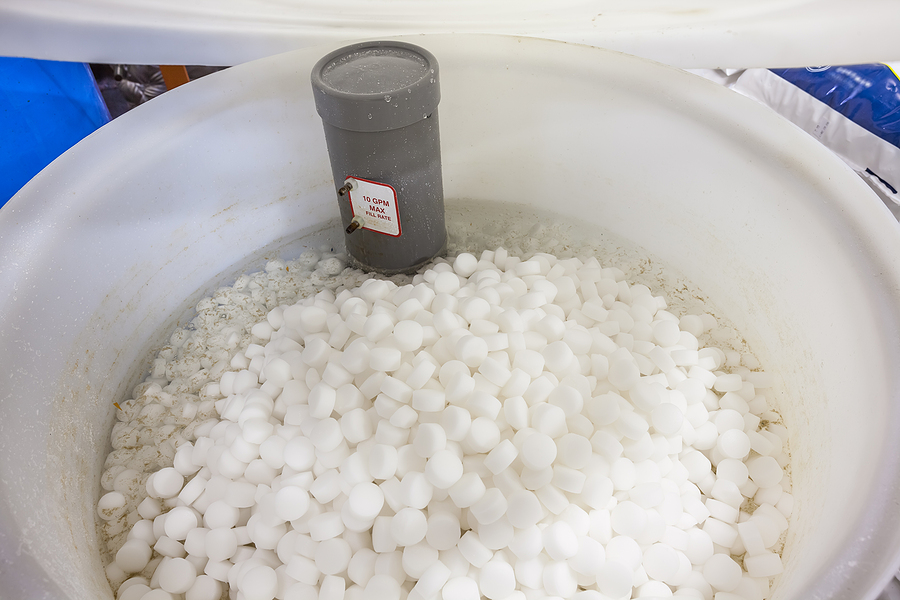
A salt bridge is a hard crust that forms at the top of the salt pile. To the naked eye, the tank looks full, but underneath that crust is an empty space where the salt is not making contact with the water. Without that contact, the system cannot create the brine solution needed to clean (regenerate) the resin beads.

How to fix a salt bridge:

  1. Probe the salt: Take a broom handle or a long, blunt tool and gently push it down into the salt pile.
  2. Break the crust: If you hit a hard layer before reaching the bottom, apply a bit of pressure to break through. You should feel the salt collapse.
  3. Redistribute: Break up any large chunks and mix the salt around to ensure it falls into the water below.

What is Salt Mushing and How Do I Fix It?

While a salt bridge happens at the top of the tank, salt mushing occurs at the bottom. This happens when dissolved salt recrystallizes and forms a thick sludge or “mush” at the base of the brine tank. This sludge blocks the base of the tank, preventing the brine solution from being drawn up into the resin tank during regeneration.

How to clear salt mushing:

  1. Empty the tank: You will need to scoop out all the salt and water. This is a bit of a messy job, so have buckets ready.
  2. Remove the sludge: Once the loose salt is out, dig out the thick sludge at the bottom.
  3. Clean the tank: Scrub the inside of the brine tank with warm, soapy water to remove any remaining residue.
  4. Refill: Add fresh, high-quality salt pellets.

Why is My Water Softener Making Noise but Not Softening?

If your unit sounds like it is running but the water remains hard, you may have a clogged injector or venturi valve.

The injector and venturi are small nozzles responsible for creating the suction that pulls the brine solution from the salt tank into the resin tank. Because these openings are very small, they are prone to clogging with sediment, dirt, or debris. When they clog, the system goes through the motions of regeneration but fails to actually clean the resin beads.

How to clean the venturi and injector:

  1. Bypass the unit: Turn the bypass valve to shut off water flow to the softener.
  2. Release pressure: Start a manual regeneration cycle to relieve internal water pressure.
  3. Locate the assembly: On most units, this is located on the top of the control valve, often under a cap. (Consult your owner’s manual for the specific location).
  4. Disassemble and clean: Unscrew the cap and remove the nozzle and throat. Clean the internal parts with warm, soapy water.
  5. Use a soft tool: If there is debris stuck in the tiny holes, use a wooden toothpick or a soft brush. Do not use metal pins or needles, as scratching the plastic can alter the flow rate and damage the part.
  6. Reassemble: Put the parts back together, turn the water back on, and run a manual regeneration.

Request a Water Softener Inspection in Indianapolis

When Should I Replace the Resin Beads?

Sometimes the mechanical parts are working fine, but the chemistry inside the tank has failed. The resin beads are the workhorses of your system; they are responsible for trapping the calcium and magnesium minerals.

Over time, these beads can break down or become coated in organic matter, iron, or chlorine. While resin beads typically last 10 to 15 years, high levels of chlorine in city water can degrade them faster.

Signs your resin bed is failing:

  • Your water pressure has dropped significantly (caused by fragmented beads clogging the lines).
  • You find small, sand-like particles in your sink or bathtub screens.
  • The system uses salt but the water stays hard.

If the resin is simply fouled by iron, you may be able to revive it using a commercial resin bed cleaner. However, if the beads have physically broken down (turned to mush), the old resin must be vacuumed out and replaced.

How Can I Prevent Water Softener Problems?

Preventative maintenance is always easier than emergency repairs. By following a few simple habits, you can extend the life of your appliance and keep your water quality consistent.

  • Use the right salt: Avoid rock salt, which contains high levels of insolubles and dirt that cause clogging and mushing. Opt for evaporated salt pellets or solar salt crystals with high purity ratings.
  • Don’t overfill the tank: Keep the salt tank about half full. Filling it to the brim increases the weight and pressure on the bottom salt, leading to bridges and mushing.
  • Use a resin cleaner: If you have iron in your water, pour a bottle of resin bed cleaner into the brine well once every six months to strip iron deposits from the beads.
  • Check your settings: If your power goes out, ensure the timer hasn’t reset. If the time is wrong, the softener might regenerate while you are showering, filling your pipes with hard water.

When Should I Call a Professional?

While many issues are DIY-friendly, some situations require the tools and expertise of a professional plumber. Attempting complex repairs without the right knowledge can void your warranty or lead to water damage in your home.

You should consider calling for service if:

  • There is a leak: If the resin tank (the tall fiberglass tank) is cracked or leaking, it typically cannot be patched and must be replaced.
  • The motor has failed: If the unit is plugged in but the motor won’t turn or makes a loud grinding noise, the motor or the gears inside the valve head likely need replacement.
  • The water tastes salty: If your water tastes salty after regeneration, a valve may be stuck open, continuously draining brine into your water lines.
  • You are uncomfortable working with plumbing: If the troubleshooting steps involve taking apart complex valve assemblies and you aren’t confident, it is safer to call a pro.

Restore Your Home’s Water Quality

A water softener is an essential part of maintaining a comfortable home and protecting your plumbing from scale buildup. By keeping an eye out for salt bridges, keeping the venturi valve clean, and using high-quality salt, you can solve the majority of common issues on your own.

However, if you have tried these troubleshooting steps and your water is still hard, or if you are dealing with a leak or mechanical failure, don’t let the problem linger.

Need expert help in Indianapolis? If you are located in the Indianapolis area and need professional assistance, our team is here to help. Whether you need a simple tune-up, resin replacement, or a new system installation, we ensure your water is soft, clean, and pure. Contact Us Today to schedule your water softener service.

Call Now to Book Service

Related Post: Best Water Softener Brands for Your Home

Gas Water Heater Problems: Why the Pilot Light Went Out And How to Fix It

There are few surprises more unwelcome than stepping into a morning shower expecting a warm wake-up call, only to be hit by a stream of freezing water. It’s a shock to the system that can ruin the start of your day. If you have a gas water heater, the culprit is often a small but essential component: the pilot light.

The pilot light is a small flame that burns continuously inside your water heater. Its job is to serve as the ignition source for the main burner. When your thermostat calls for heat, the gas valve opens, and the pilot light ignites the gas to heat the water in the tank. If that tiny flame goes out, the main burner cannot ignite, leaving you with a tank full of cold water.

While it can be frustrating, a pilot light going out is a common household issue. It is often caused by minor problems that homeowners can troubleshoot themselves. However, it can also be a sign of a safety mechanism doing its job. Understanding why this happens and knowing how to handle it safely is key to restoring your home’s comfort.

Call 317-784-1870 For Gas Water Heater Repair in Indianapolis

Why Does the Pilot Light Go Out?

Before you attempt to relight the flame, it is helpful to understand why it went out in the first place. Most modern water heaters are designed with safety as a top priority, meaning the system will shut down if it detects a potential hazard. Here are the most common reasons your pilot light might fail.

The Thermocouple Is Dirty or Bent

The thermocouple is the most frequent offender when a pilot light won’t stay lit. This small copper rod acts as a safety sensor. It sits in the flame of the pilot light and sends an electrical signal to the gas valve to keep it open. If the thermocouple detects that the flame has gone out (because it cools down), it cuts off the gas supply to prevent a dangerous leak.

Over time, carbon deposits and soot can build up on the thermocouple. This buildup acts as an insulator, preventing the device from sensing the heat of the flame even if the flame is lit. Alternatively, the rod may have been bumped and bent away from the flame. If the thermocouple can’t feel the heat, it assumes the flame is out and shuts the gas valve.

Strong Drafts or Airflow Issues

Your water heater needs air to burn gas, but too much turbulence can be a problem. If your unit is located in a drafty basement, near a door, or in an area with high winds (if the vent cap is damaged), a sudden gust can simply blow the flame out. This is similar to a candle flickering out in a breeze. While this is an easy fix, frequent outages due to drafts may indicate a need to seal the area or check the venting system.

A Dirty Pilot Tube

The pilot tube is the narrow pipe that supplies gas specifically to the pilot light. Over years of use, dirt and debris can accumulate inside this tube, restricting the flow of gas. If the flame becomes weak and yellow rather than a strong blue cone, it may not be hot enough to heat the thermocouple, causing the safety shut-off to trigger.

Gas Supply Interruptions

Sometimes the issue isn’t with the heater at all. If there is work being done on gas lines in your neighborhood, or if you have recently turned off the gas for other repairs, air pockets may have formed in the line. Occasionally, the main gas valve to the house or the unit itself may have been bumped into the “off” position.

View Our Gas Water Heater Repair Solutions in Indy

How to Safely Troubleshoot and Relight Your Pilot Light

If you have determined that you need to relight the pilot, safety must be your primary concern. Dealing with natural gas requires caution. If you smell a strong odor of rotten eggs or hear a hissing sound, do not attempt to light the pilot. Leave the house immediately and call your gas utility provider or emergency services.

If there is no smell of gas, you can proceed with these general steps. Please note that you should always consult your specific water heater’s manual, as instructions can vary by model.

1. Locate the Gas Control Knob

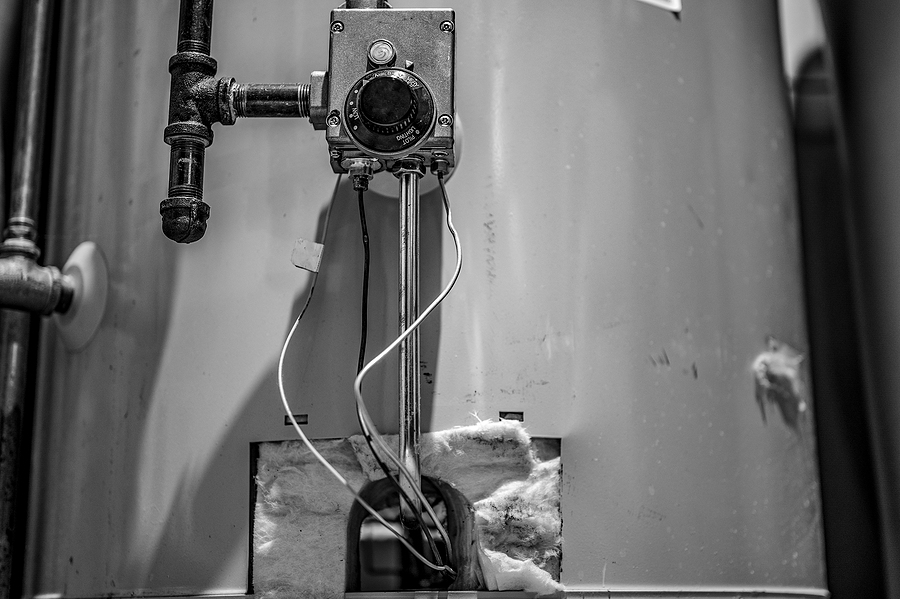
Look for the gas regulator box on the side of the water heater. You will see a knob with three settings: “On,” “Off,” and “Pilot.” Turn the knob to the “Off” position and wait at least five minutes. This allows any residual gas in the combustion chamber to clear out, reducing the risk of a flare-up.

2. Access the Pilot Assembly

Depending on your model, you may need to remove a decorative cover at the bottom of the unit. Look inside to locate the pilot tube and the thermocouple. If it helps, use a flashlight to get a clear view of the assembly.

3. Prepare to Light

Turn the gas control knob to the “Pilot” setting. This position allows gas to flow only to the pilot light, not the main burner.

4. Ignite the Flame

Most modern heaters have a red or black piezoelectric igniter button (similar to a gas grill starter).

Press and hold down the gas control knob. This manually feeds gas to the pilot.

While holding the knob down, press the igniter button repeatedly until you see the pilot flame catch.

If you have an older model without an igniter, you may need to use a long-wand lighter to manually light the flame while holding down the knob.

5. Hold and Wait

Once the flame is lit, do not let go of the control knob yet. You must continue holding it down for roughly 60 seconds. This gives the thermocouple enough time to heat up and generate the electrical signal needed to keep the gas valve open.

6. Release and Turn On

Slowly release the control knob. The pilot flame should remain lit. If it goes out immediately, the thermocouple likely wasn’t hot enough—wait a few minutes and try again, holding the knob longer. If the flame stays on, turn the knob from “Pilot” to “On.” You should hear a “whoosh” sound as the main burner ignites to heat the water.

When to Call a Professional Water Heater Plumber

While relighting a pilot is a standard DIY task, persistent issues require expert attention. There is a difference between a nuisance outage and a mechanical failure. You should contact a licensed plumber or HVAC technician if:

  • The Pilot Won’t Stay Lit: If you have followed the relighting steps correctly multiple times and the flame immediately dies when you release the knob, your thermocouple is likely faulty and needs replacement.
  • The Flame Is Yellow: A healthy gas flame should be blue with a yellow tip. A flame that is entirely yellow or orange indicates incomplete combustion, which can produce dangerous carbon monoxide.
  • The Control Valve Is Broken: If the gas knob is stuck or won’t turn, never force it. A broken control valve is a significant safety hazard that requires professional replacement.
  • There Is Carbon Buildup: If you see significant soot or debris in the combustion chamber, cleaning it requires specialized tools and knowledge to avoid damaging delicate parts.

Preventing Future Outages

To avoid future cold showers, a little preventative maintenance goes a long way. Keeping the area around your water heater clean is the first step. Ensure that boxes, laundry, and other clutter are kept at least two feet away from the unit to allow for proper airflow.

Furthermore, visual inspections are helpful. Every few months, check the color of the flame. If it looks weak or flickery, you might have a draft issue or a dirty tube developing. Finally, consider scheduling an annual inspection. A professional water heater repair technician or plumber can clean the burner assembly, check the flue for obstructions, and test the thermocouple to ensure your system runs efficiently and safely all year round.

Maintaining Your Home’s Comfort

A water heater is an appliance we often take for granted until it stops working. While a pilot light outage is usually a minor inconvenience, it serves as a reminder of the complex systems keeping our homes comfortable. By understanding the basics of how your heater works and respecting the safety mechanisms in place, you can handle these minor hiccups with confidence.

However, when DIY solutions fail, it is vital to recognize when expert help is needed. Your safety and the longevity of your appliance are worth the investment.

If you are located in Indianapolis and can’t get your pilot light to stay lit, or if you suspect a larger issue with your water heater, don’t hesitate to reach out. Contact our team for professional water heater repair in Indianapolis today and let us help you get the hot water flowing again.

Call Now to Book Service

Related Post: Top Reasons Why Your Gas Water Heater Won’t Light

What to Do If You Need Garbage Disposal Repair

The garbage disposal is one of the most hardworking appliances in your kitchen. It makes cleaning up after meals a breeze, efficiently grinding down food scraps and washing them away. But when it stops working correctly, that convenience can quickly turn into a major headache. A malfunctioning garbage disposal can lead to unpleasant odors, clogged sinks, and a significant disruption to your daily routine.

Understanding what might be wrong with your disposal and knowing how to address it can save you time, money, and frustration. This guide will walk you through common garbage disposal problems, offer safe troubleshooting tips, and help you recognize when it’s time to call in a professional. We’ll also cover top brands and maintenance practices to keep your unit running smoothly for years to come.

Call 317-784-1870 For Affordable Garbage Disposal Repair in Indianapolis Indiana

Common Garbage Disposal Problems

A broken garbage disposal can present itself in several ways. Identifying the specific issue is the first step toward finding a solution. Here are some of the most frequent problems homeowners encounter.

The Unit is Humming but Not Grinding

One of the most common complaints is a humming sound coming from the disposal without any grinding action. This usually means the motor is receiving power, but the blades are stuck. This is often caused by a tough piece of food waste, a foreign object like a piece of silverware, or a buildup of fibrous materials that have jammed the grinding chamber.

Leaks Under the Sink

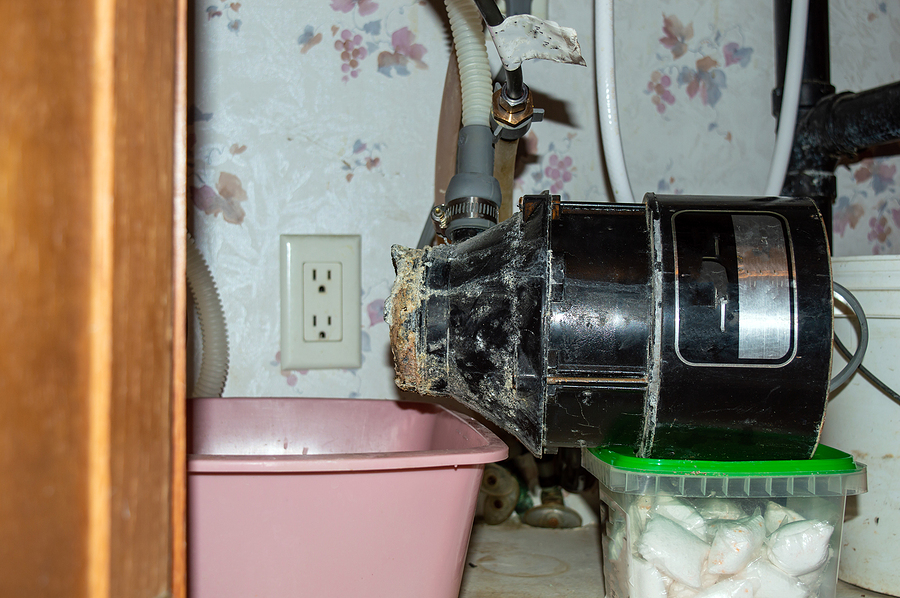
Discovering a puddle of water in the cabinet under your sink is never a good sign. When it comes to your garbage disposal, leaks can originate from several places. The most common sources are a worn-out flange or seal at the top where the disposal connects to the sink, cracks in the disposal unit’s body, or loose connections where the dishwasher or drain lines attach. A leak isn’t just a nuisance; it can cause water damage, mold growth, and electrical hazards if not addressed promptly.

It Won’t Turn On at All

If your garbage disposal is completely silent and unresponsive when you flip the switch, there are a few potential culprits. The issue could be as simple as a tripped circuit breaker or a GFI outlet that needs to be reset. Many disposals also have a built-in reset button on the bottom of the unit that can pop out if the motor overheats. In more serious cases, it could indicate a faulty switch or a burned-out motor.

Water Drains Slowly or Not at All

When water backs up into your sink, it’s a clear sign of a clog. The blockage could be within the garbage disposal itself, caused by grinding improper items like pasta, rice, or coffee grounds, which can form a paste-like substance. Alternatively, the clog could be further down in your drain pipe or P-trap, which collects debris over time.

Book a Garbage Disposal Repair Assessment Now

DIY Troubleshooting You Can Safely Try

Before you pick up the phone to call a plumber, there are a few safe troubleshooting steps you can take to potentially resolve the issue yourself. Safety first: always turn off the power to the garbage disposal at the circuit breaker before attempting any repairs. Never put your hand or any foreign object into the grinding chamber unless the power is completely disconnected.

For a Humming Disposal

If your disposal is humming but not grinding, the blades are likely jammed.

  1. Cut the Power: Turn off the power at the breaker box.
  2. Look for the Reset Button: Check the bottom of the disposal unit for a small red or black reset button. If it has popped out, press it back in.
  3. Use an Allen Wrench: Most disposals come with a small, hex-head wrench (or you can use a standard 1/4-inch Allen wrench). Insert it into the socket on the bottom center of the unit. Turn the wrench back and forth to manually move the blades and dislodge whatever is causing the jam.
  4. Remove the Obstruction: Using tongs or pliers (never your hands), reach into the grinding chamber from the sink opening and try to remove the object you’ve freed.
  5. Restore Power and Test: Turn the power back on and run cold water while you test the disposal.

For a Unit That Won’t Turn On

If there’s no sound or movement, start with the power source.

  1. Check the Reset Button: As mentioned above, press the reset button on the bottom of the unit.
  2. Inspect the Breaker Box: Go to your home’s main electrical panel and see if the circuit breaker connected to the garbage disposal has tripped. If it has, flip it back to the “On” position.
  3. Test the Outlet: If the disposal is plugged into a GFCI outlet (common in kitchens), press the “Reset” button on the outlet itself.

For Slow Draining

If your sink is draining slowly, try these steps.

  1. Run Cold Water: Turn on the disposal and run a strong flow of cold water for a few minutes to see if it can flush the partial clog.
  2. Use Ice and Citrus: Fill the disposal with a couple of cups of ice cubes and a few lemon or orange peels. Run the disposal with cold water. The ice can help scrape debris from the blades, while the citrus peels help deodorize the unit.

When to Call a Professional Plumber

While some issues are simple to fix, others require the expertise of a qualified plumber. Attempting complex repairs without the proper knowledge or tools can be dangerous and may cause further damage. It’s time to call a professional if you encounter any of the following:

  • Persistent Leaks: If you’ve tightened connections and still see water, it could indicate a cracked housing or a failed seal that needs professional replacement.
  • Recurring Clogs: If your disposal clogs frequently despite proper use, there may be an underlying plumbing issue that a professional needs to diagnose.
  • Electrical Problems: If you’ve tried resetting the unit and checking the breaker with no success, the problem could be with the motor or wiring, which is a job for an expert.
  • Loud, Unusual Noises: Grinding, metallic noises that aren’t caused by a simple jam could signal a broken internal component.

Top Garbage Disposal Brands to Consider

If your unit is beyond repair, you’ll need a replacement. Look for brands known for their reliability and performance. Some of the most trusted names include:

  • InSinkErator: As the inventor of the garbage disposal, this brand is a market leader known for its powerful and durable Evolution series.
  • Waste King: Offering high-speed motors and long warranties, Waste King is a popular choice for its performance and value.
  • Moen: Known for its quality kitchen and bath fixtures, Moen also produces reliable and quiet garbage disposals.

Maintenance Tips for a Longer Lifespan

Proper care can significantly extend the life of your garbage disposal.

  • Use Cold Water: Always run cold water when using the disposal. Hot water can liquefy grease, causing it to build up and clog your drains later.
  • Avoid Problematic Foods: Never put fibrous materials (celery stalks, corn husks), starchy foods (pasta, rice, potato peels), or grease and oil down the disposal.
  • Cut Scraps into Small Pieces: Large pieces of food can jam the unit.
  • Clean it Regularly: Freshen up your disposal by grinding ice cubes and citrus peels periodically.

Key Takeaways

Your garbage disposal is a key component of a functional kitchen. Understanding how it works and how to care for it can prevent many common problems. While DIY fixes are often possible for minor issues, knowing when to step aside and call a professional is crucial for your safety and your home’s plumbing. Regular maintenance and mindful use will ensure your disposal serves you well for many years.

If you’re in the Indianapolis area and facing a garbage disposal problem you can’t solve, our team of expert plumbers is ready to help. Contact Us Today for fast, reliable garbage disposal repair and replacement services.

Place a Free Call Now

Related Post: The Key Benefits of Installing a Garbage Disposal

Hard Water Damage: The Hidden Costs for Your Home

Clean water flows from your tap, but it might be carrying minerals that slowly damage your home. This is the reality of hard water, a common issue for many homeowners, especially in Indiana. While it’s safe to drink, the high concentration of dissolved minerals like calcium and magnesium can have costly effects on your plumbing, appliances, and even your skin and hair. Understanding the problems hard water creates is the first step toward finding a lasting solution and protecting your investment.

Call 317-784-1870 For Affordable Hard Water Solutions in Indianapolis

Identifying the Signs of Hard Water

Hard water problems aren’t always obvious until damage has already occurred. Being able to spot the early warning signs can save you from expensive repairs and replacements down the line. If you notice any of these issues, it might be time for a hard water test.

What to Look For:

  • Soap Scum and Film: Do you see a chalky white film on your shower doors, faucets, and dishes? That’s soap scum, which forms when soap reacts with the minerals in hard water.
  • Mineral Stains: Stubborn, reddish-brown stains in your sinks, tubs, and toilets are often caused by iron deposits found in hard water.
  • Dry Skin and Dull Hair: Minerals in hard water can strip your skin and hair of their natural oils, leading to dryness, irritation, and a dull, lifeless appearance.
  • Faded or Stiff Laundry: Clothes washed in hard water can feel stiff and look faded because mineral deposits get trapped in the fabric.
  • Reduced Water Flow: Is your showerhead sputtering? Mineral buildup can clog faucets and showerheads, leading to a noticeable drop in water pressure.

At-Home Hard Water Test:

To determine if you have hard water, there are a few simple tests that you can do at home.

Water and Soap Test:

  1. Wet your hands with water and add a small amount of soap.
  2. Rub your hands together to create a lather.

If the water is hard, you will notice that the soap does not easily dissolve and instead forms a scum or film on top.

The Glass Test:

  1. Fill a clear glass with tap water.
  2. Add a few drops of liquid dish soap and swirl the glass gently.

If the water turns cloudy or has visible particles floating in it, then it is likely hard water due to mineral buildup.

The Costly Effects of Hard Water on Appliances

Your home’s appliances are significant investments, and hard water can drastically shorten their lifespan. Water heaters, dishwashers, washing machines, and coffee makers are all vulnerable to hard water damage.

Inside these appliances, heat causes calcium and magnesium to form solid deposits known as limescale. This plumbing scale buildup forces appliances to work harder, consume more energy, and eventually fail. According to a study by the Water Quality Research Foundation, hard water can reduce the lifespan of appliances by up to 50%, potentially costing homeowners thousands of dollars in premature replacements (Batelle Memorial Institute).

Water heaters are particularly susceptible. Research indicates that a water heater can lose efficiency by 4% each year due to scale buildup. This mineral layer insulates the heating element, forcing it to use more energy to heat the water. Over time, this can increase energy consumption by up to 20%, adding a significant amount to your utility bills (Water Quality Research Foundation).

Schedule a Professional Water Softener Inspection

How Hard Water Impacts Your Plumbing

The damage from hard water isn’t limited to what you can see. Over time, scale buildup silently accumulates inside your pipes, restricting water flow and reducing pressure throughout your home. This constriction puts a strain on your entire plumbing system.

In severe cases, the buildup can lead to complete blockages, requiring costly professional intervention. Plumbing repairs related to hard water scale can cost an average of $500 to $1,000 per incident. By addressing hard water problems early, you can prevent these expensive emergencies and maintain the efficiency of your plumbing.

The Effects of Hard Water on Skin and Hair

The impact of hard water extends to your personal care routine. The minerals in the water react with soaps and shampoos to form a film that doesn’t rinse away easily. This residue can clog pores, leading to acne and skin irritation, and can weigh down your hair, making it look dull and feel brittle.

For those with sensitive skin conditions like eczema or psoriasis, hard water can worsen symptoms by drying out the skin and disrupting its natural moisture barrier. Furthermore, households with hard water often spend more on personal care products. It’s estimated that these homes spend up to $150 more per year on soaps and detergents just to counteract the effects of the minerals.

Finding the Right Solution for Hard Water Removal

Fortunately, effective solutions are available to combat hard water problems and protect your home. The two primary methods are water softening and water conditioning.

Water Softeners

A water softener is the most common and effective method for hard water removal. This system works through a process called ion exchange, where it removes calcium and magnesium ions and replaces them with sodium ions.

The result is soft water that won’t create scale buildup, is gentle on your skin, and helps your appliances run efficiently. Professional water softener installation ensures the system is correctly sized for your home’s needs and integrates seamlessly with your existing plumbing.

Water Conditioning

An alternative to traditional softeners is water conditioning. These systems don’t remove the minerals but instead alter their chemical structure to prevent them from sticking to surfaces and forming scale. Water conditioners are a salt-free option that requires less maintenance, though their effectiveness can vary depending on the water chemistry in your area.

Choosing the right system depends on your specific needs, water hardness level, and budget. Consulting with a professional water softener company can help you determine the best solution for your Indiana home.

Final Thoughts

The evidence is clear: hard water can lead to a cascade of problems, from inefficient appliances and clogged pipes to dry skin and wasted money. By recognizing the signs and taking proactive steps, you can protect your home, extend the life of your appliances, and improve your quality of life. Investing in a water treatment system delivers soft water that saves you from costly repairs and daily frustrations.

If you’re experiencing hard water problems in Indiana, don’t wait for the damage to get worse. Contact Us Today for professional water softener installation or repair services and start enjoying the benefits of soft water.

Place Your Call Now

Related Post: Winning the Battle Against Hard Water: Effective Tips and Techniques

When to Seek Professional Water Heater Repair

A hot shower on a cold morning or warm water for dishes after dinner—your water heater quietly works behind the scenes to make daily life comfortable. Most homeowners don’t think twice about their water heater until something goes wrong. When it does, knowing when to call for professional water heater repair can save you from costly damage, safety hazards, and days without hot water.

Understanding the warning signs and recognizing when a problem requires expert attention helps protect your home and your family. Whether you have a gas water heater, electric water heater, or tankless water heater, each type presents unique challenges that often need a trained professional to diagnose and fix properly.

This guide walks you through the common signs of water heater problems, explains why DIY repairs can be risky, and offers practical advice on choosing the right water heater repair company in Indianapolis and surrounding suburbs.

Call 317-784-1870 For Professional Water Heater Repair in Indianapolis

Common Signs Your Water Heater Needs Professional Repair

Recognizing early warning signs can prevent minor issues from escalating into major emergencies. Here are the most common indicators that your water heater needs professional attention:

Inconsistent Water Temperature

When your shower alternates between scalding hot and lukewarm, or your faucets deliver unpredictable water temperatures, the culprit is often a faulty thermostat or failing heating element. These fluctuations signal that your water heater isn’t maintaining proper temperature control. A professional water heater inspection can pinpoint whether the thermostat needs recalibration or if the heating element requires replacement.

Strange Noises

Water heaters shouldn’t sound like a percussion section. Banging, rumbling, popping, or hissing noises typically indicate sediment buildup at the bottom of the tank. As minerals from hard water accumulate over time, they harden and create a barrier between the heating element and the water. This forces your system to work harder and can lead to premature failure. In some cases, unusual sounds may also point to internal damage that requires immediate professional evaluation.

Leaks Around the Unit

Any visible water around your water heater demands immediate attention. Leaks can stem from various sources: corrosion within the tank, loose pipe connections, a faulty pressure relief valve, or cracks in the tank itself. Even small leaks can cause significant water damage to your home and indicate more serious structural problems with your water heater. Professional water heater repairtechnicians can identify the leak source and determine whether repair or replacement is the best course of action.

Discolored or Rusty Water

When you turn on the hot water tap and notice brown, rusty, or murky water, corrosion inside your tank is likely to blame. This discoloration often means the protective lining inside the tank has deteriorated, allowing rust to contaminate your water supply. While sediment buildup can sometimes cause temporary discoloration, persistent rusty water typically signals that your tank is nearing the end of its lifespan.

Low Hot Water Pressure

If your hot water pressure has noticeably decreased while cold water flows normally, sediment accumulation or a faulty valve may be restricting water flow. Sediment buildup can clog pipes and reduce the volume of water your system delivers. A professional water heater maintenance service can flush your system to remove sediment and restore proper pressure.

The Dangers of DIY Water Heater Repair

The appeal of saving money by fixing problems yourself is understandable, but water heater repair involves significant risks that most homeowners aren’t equipped to handle safely.

Gas Water Heater Hazards

Gas water heaters present serious dangers when improperly handled. Working with gas lines without proper training can lead to gas leaks, which create fire and explosion risks. Carbon monoxide poisoning is another deadly concern if combustion systems aren’t functioning correctly. Professional technicians have specialized tools and knowledge to work safely with gas connections and combustion components.

Electric Water Heater Risks

Electric water heaters carry the risk of electrocution if you’re not experienced with electrical systems. High-voltage components require proper safety procedures and equipment. Incorrect wiring or faulty repairs can also create fire hazards within your home.

Tankless Water Heater Complexity

Tankless water heater repair involves sophisticated electronics, precise calibration, and complex diagnostic procedures. These systems require specialized knowledge that goes beyond basic plumbing skills. Attempting repairs without proper training can void warranties and cause additional damage that costs more to fix.

Water Damage

Even seemingly simple repairs can go wrong, resulting in flooding that damages floors, walls, and personal belongings. The cost of repairing water damage often far exceeds what you would have paid for professional service.

Voided Warranties

Most manufacturers require professional installation and repair to maintain warranty coverage. DIY attempts can void your warranty, leaving you financially responsible for all future repairs or replacement costs.

Request a Free Estimate for Water Heater Repair Now

Choosing the Right Water Heater Repair Company

Selecting a qualified professional ensures quality workmanship and protects your investment. Consider these factors when choosing a water heater repair company in the Indianapolis area:

Licensing and Insurance

Verify that any company you consider holds proper licensing for plumbing and water heater repair in Indiana. Adequate insurance coverage protects you from liability if accidents occur during service.

Experience and Specialization

Look for companies with extensive experience repairing your specific type of water heater. Gas, electric, and tankless systems each require different expertise. Ask how long they’ve been in business and what percentage of their work involves water heater repair.

Emergency Services

Water heater emergencies don’t follow business hours. Companies offering 24/7 emergency service provide peace of mind when you need urgent repairs.

Transparent Pricing

Reputable companies provide clear estimates before beginning work. Professional water heater repair costs vary based on the problem, type of water heater, and repair complexity. Ask for detailed quotes that break down labor and parts costs. Check out our current water heater special—Get a brand new Rheem 50 Gallon water heater for $1799! Installation, thermal expansion tank & safey pin included.

Customer Reviews

Online reviews from Indianapolis-area homeowners offer valuable insights into reliability, quality, and customer service. Look for patterns in feedback rather than focusing on single reviews.

Warranties on Work

Quality companies stand behind their repairs with warranties on both parts and labor. This demonstrates confidence in their workmanship and protects you if problems reoccur.

Water Heater Maintenance Tips

Regular water heater maintenance extends your system’s lifespan and prevents many common problems. Here are practical steps to keep your water heater running efficiently:

  • Schedule Annual Professional Inspections: Professional water heater inspection catches potential problems early, before they become expensive emergencies. Technicians check all components, test safety features, and ensure optimal performance.
  • Flush Your Tank Regularly: Flushing removes sediment buildup that reduces efficiency and causes damage. For most homes, annual flushing is sufficient, though hard water areas may benefit from more frequent service.
  • Test the Pressure Relief Valve: This safety feature prevents dangerous pressure buildup. Test it annually by lifting the lever and ensuring water flows freely. If it doesn’t operate smoothly, call a professional for replacement.
  • Check the Anode Rod: This component protects your tank from corrosion. Most manufacturers recommend inspection every two to three years and replacement when it’s significantly corroded.
  • Monitor Water Temperature: Set your thermostat to 120°F for optimal efficiency and safety. Higher temperatures increase energy costs and scald risk, while lower settings may not provide adequate hot water.
  • Insulate Older Units: Adding insulation to your tank and hot water pipes reduces heat loss and lowers energy costs. This simple upgrade can extend the life of older systems.
  • Watch for Warning Signs: Stay alert to the common problems discussed earlier. Addressing issues promptly prevents minor problems from becoming major failures.

Protect Your Home’s Comfort

Your water heater is a critical home system that deserves professional attention when problems arise. Recognizing warning signs early, understanding the risks of DIY repairs, and choosing qualified professionals protects your home and family. Regular water heater maintenance through professional inspections and simple preventive measures extends your system’s lifespan and prevents costly emergency repairs.

Professional water heater repair costs are an investment in your home’s safety, comfort, and efficiency. Whether you’re dealing with inconsistent temperatures, strange noises, leaks, or any other water heater problems, experienced technicians in Indianapolis and surrounding suburbs are ready to help.

Don’t wait until a small problem becomes a major emergency. If you’re experiencing any of the warning signs discussed in this guide, call for expert water heater repair today. Professional service ensures your water heater operates safely and efficiently, delivering the reliable hot water your household depends on.

Call Now to Book Repair

Related Post: Water Heater Not Turning On? Here’s What to Do

How to Detect and Fix a Hidden Pipe Leak

A small drip behind your wall might seem harmless, but hidden pipe leaks can quietly wreak havoc on your home. Left unchecked, these leaks lead to costly water damage, structural issues, and mold growth that threatens both your property and your health. The challenge is that many plumbing leaks remain out of sight until significant damage has already occurred.

Understanding how to identify and address water leaks early can save you thousands of dollars in repairs and protect your home’s structural integrity. Whether you’re a homeowner concerned about property protection, a DIY enthusiast ready to tackle basic plumbing, or a renter who needs to alert your landlord to potential issues, knowing the warning signs and detection methods is essential.

This guide will walk you through the telltale signs of hidden pipe leaks, effective leak detection techniques, repair options, and preventative measures to keep your plumbing system in top condition.

Call 317-784-1870 For Pipe Leak Detection & Repair in Indianapolis Indiana

Recognizing the Signs of a Hidden Leak

Hidden pipe leaks rarely announce themselves with obvious puddles or gushing water. Instead, they reveal their presence through subtle indicators that homeowners often overlook until damage becomes severe.

Water Stains and Discoloration

One of the most visible signs of a hidden leak is discoloration on walls, ceilings, or floors. These stains typically appear as yellowish or brownish patches and may expand over time. You might also notice paint or wallpaper that bubbles, peels, or feels damp to the touch. These symptoms indicate moisture accumulation behind your walls or above your ceilings.

Mold and Mildew Growth

Persistent moisture from plumbing leaks creates the perfect environment for mold and mildew. If you notice musty odors in certain rooms or see black, green, or white patches forming on walls or in corners, a hidden leak may be feeding fungal growth. This poses serious health risks, particularly for individuals with respiratory conditions or allergies.

Unusual Sounds

Listen for the sound of running water when all faucets and appliances are turned off. Hissing, dripping, or trickling sounds coming from walls, floors, or ceilings often indicate active leaks. These sounds may be more noticeable at night when your home is quiet.

Unexplained Increases in Water Bills

A sudden spike in your water bill without changes to your usage patterns is a red flag. Even small, continuous leaks can waste significant amounts of water over time, resulting in higher monthly costs.

Decreased Water Pressure

If you notice reduced water pressure at multiple fixtures throughout your home, it could signal a leak in your main water line. While decreased pressure can have other causes, it’s worth investigating when combined with other warning signs.

Effective Methods for Leak Detection

Once you suspect a hidden leak, several techniques can help pinpoint its location before significant damage occurs.

Water Meter Test

Your water meter provides a simple way to confirm whether you have a leak. Turn off all water sources in your home, including faucets, appliances, and irrigation systems. Check your water meter and record the reading. Wait for two hours without using any water, then check the meter again. If the reading has changed, you likely have a leak somewhere in your plumbing system.

Pressure Test

A pressure test can reveal leaks in your water supply lines. Turn off the main water valve and attach a pressure gauge to an outdoor faucet or hose bib. Open the valve slightly and observe the pressure reading. If the pressure drops significantly over the course of an hour, you have a leak that needs attention.

Moisture Meters

Professional plumbers and DIY homeowners alike use moisture meters to detect hidden water damage. These handheld devices measure moisture levels in walls, floors, and ceilings, helping identify problem areas without invasive testing. Moisture meters are particularly useful for confirming leak locations before cutting into walls or floors.

Leak Detection Kits

Leak detection kits available at hardware stores contain dye tablets or liquids that make leaks visible. Add the dye to your toilet tank, and if color appears in the bowl without flushing, you have a leak. Some kits include acoustic sensors that detect the sound of water escaping from pipes, making them valuable tools for homeowners tackling leak detection on their own.

Professional Leak Detection Equipment

When DIY methods fall short, professional plumbers employ advanced technology to locate hidden leaks. Thermal imaging cameras detect temperature differences caused by water leaks, while acoustic listening devices amplify the sound of water escaping from pipes. These non-invasive techniques minimize property damage while accurately pinpointing leak locations.

Repairing Water Leaks

The appropriate repair method depends on the leak’s severity and location. Some minor leaks can be addressed with basic DIY skills, while others require professional intervention.

Minor Repairs You Can Handle

For small leaks at pipe joints or connections, pipe repair clamps offer a quick, temporary solution. These metal clamps wrap around the damaged section and compress a rubber gasket against the pipe, stopping the leak. While not a permanent fix, repair clamps buy you time until a professional plumber can make lasting repairs.

Epoxy putty provides another option for minor leaks. This moldable compound seals small holes or cracks in pipes when applied directly to the damaged area. Follow the manufacturer’s instructions carefully, ensuring the pipe surface is clean and dry before application.

When to Call a Professional Plumber

Major leaks, those affecting main water lines, or damage requiring access to pipes behind walls demand professional expertise. A licensed plumbing company has the tools, experience, and knowledge to diagnose complex issues and execute repairs that comply with building codes.

Don’t delay calling a professional plumber if you notice any of the following:

  • Water damage spreading rapidly
  • Leaks near electrical systems
  • Multiple leaks throughout your home
  • Damage to structural components
  • Situations requiring pipe replacement

Attempting complex plumbing repairs without proper training can worsen damage and create safety hazards. The cost of hiring a professional plumber is far less than the expense of repairing additional damage caused by improper repairs.

Request Professional Water Leak Repair Today!

Preventing Future Pipe Leaks

Prevention is your most powerful tool for protecting your home from the devastating effects of hidden pipe leaks. Regular maintenance and proactive measures significantly reduce the risk of plumbing emergencies.

Schedule Regular Plumbing Inspections

Annual inspections by a qualified plumbing company help identify potential problems before they escalate into costly repairs. Professional plumbers examine your entire system, checking for corrosion, loose connections, and signs of wear that could lead to future leaks.

Monitor Water Pressure

Excessive water pressure strains your plumbing system and accelerates wear on pipes and fixtures. Install a pressure regulator if your home’s water pressure exceeds 80 psi. This simple device extends the lifespan of your plumbing and reduces the likelihood of leaks.

Insulate Exposed Pipes

Pipes in unheated areas like basements, crawl spaces, and attics are vulnerable to freezing during cold weather. Frozen pipes often burst, causing extensive water damage. Wrap exposed pipes with foam insulation sleeves to protect them from temperature extremes.

Replace Old Plumbing

Older homes with galvanized steel or polybutylene pipes face higher leak risks due to corrosion and material degradation. If your home contains aging plumbing, consider replacing it with modern plumbing materials like copper or PEX. While this represents a significant investment, it provides peace of mind and protects your property value.

Address Minor Issues Promptly

Small drips and minor leaks may seem insignificant, but they indicate underlying problems that will worsen over time. Fix leaky faucets, running toilets, and loose pipe connections as soon as you notice them. These quick repairs prevent minor issues from developing into major plumbing emergencies.

The True Cost of Ignoring Hidden Leaks

Delaying action on suspected pipe leaks carries serious financial and health consequences. Understanding these risks emphasizes the importance of prompt leak detection and repair.

Water waste from even small leaks increases your monthly water bill substantially. A faucet dripping once per second wastes over 3,000 gallons annually. Hidden pipe leaks often flow at higher rates, resulting in hundreds of dollars in wasted water each year.

Structural damage presents an even greater concern. Water seeping into walls, floors, and ceilings weakens building materials, compromising your home’s structural integrity. Repairing water-damaged drywall, flooring, and framing costs thousands of dollars and may require extensive reconstruction.

Mold growth triggered by persistent moisture creates health hazards and requires professional remediation. Mold removal services are expensive, and lingering spores can cause respiratory problems, allergic reactions, and other health issues for occupants.

Personal property damage adds to the financial burden. Furniture, electronics, clothing, and sentimental items exposed to water may be damaged beyond repair. Homeowners insurance may not cover all losses, particularly if damage resulted from neglected maintenance.

Perhaps most concerning, unresolved leaks can trigger major plumbing emergencies. A small leak that weakens a pipe can eventually cause a catastrophic failure, flooding your home and requiring emergency repairs. The expense of addressing a plumbing emergency far exceeds the cost of detecting and repairing a hidden leak early.

Final Thoughts

Hidden pipe leaks pose serious threats to your property, finances, and health. By recognizing the warning signs, using effective leak detection methods, addressing repairs promptly, and implementing preventative maintenance, you protect your investment and avoid costly damage.

Don’t wait for a minor leak to become a major disaster. If you’ve noticed any signs of hidden water leaks or simply want peace of mind about your plumbing system’s condition, schedule a professional plumbing inspection today.

Taking action now prevents the stress, expense, and disruption of major plumbing emergencies later. Your home deserves proactive care that keeps it safe, dry, and structurally sound for years to come.

For Indianapolis homeowners seeking trusted plumbing expertise, Weilhammer Plumbing Co. Inc. offers comprehensive leak detection and repair services. Our experienced team uses advanced technology to locate hidden leaks and provide lasting solutions that protect your home.

Book a Professional Plumbing Inspection

Related Post: Slab Leaks: A Silent Threat to Your Property’s Structural Integrity

Best Water Softener Brands for Your Home

Hard water can be a hidden nuisance in your home, causing everything from dry skin and dull hair to limescale buildup on your fixtures and appliances. A quality water softener is the solution, but with so many options available, choosing the right one can feel overwhelming. If your current unit is old or inefficient, a water softener replacement is a smart investment in your home’s plumbing and your family’s comfort.

This guide will walk you through the top water softener brands to help you find the perfect home water softener for your needs. We’ll explore what makes each brand unique, compare their key features, and provide the information you need to make a confident decision.

Call 317-784-1870 For New Clack On Demand Water Softeners & Installation in Indianapolis Indiana

What to Consider Before You Buy a New Water Softener

Before you start shopping for a new water softener, it’s important to understand the factors that will influence your choice. A little preparation will ensure you select a system that is both effective and efficient for your household.

1. Water Hardness Level: The first step is to determine how hard your water is. You can use a home testing kit or check with your local water utility. Water hardness is measured in grains per gallon (gpg) or parts per million (ppm).

  • Soft: Less than 1 gpg (17.1 ppm)
  • Slightly Hard: 1 to 3.5 gpg (17.1 to 60 ppm)
  • Moderately Hard: 3.5 to 7 gpg (61 to 120 ppm)
  • Hard: 7 to 10.5 gpg (121 to 180 ppm)
  • Very Hard: More than 10.5 gpg (180+ ppm)

2. Household Size: The number of people in your home will determine the capacity your softener needs. A larger family will consume more water and require a system that can handle the higher demand without frequent regeneration cycles.

3. Budget: Water softeners come in a wide price range. It’s helpful to set a budget that includes the cost of the unit, water softener installation, and ongoing maintenance like salt refills.

4. Features: Modern water softeners offer various features, from on-demand regeneration that saves salt and water to smart home integration that allows you to monitor the system from your phone. Consider which features are most important for your lifestyle.

Top Water Softener Brands

Navigating the market can be tricky, but a few brands consistently stand out for their quality, reliability, and performance. Here’s an overview of some of the best names in the industry.

Clack: The Professional’s Choice

Clack is a name well-respected among plumbing professionals for its durable and highly efficient control valves, which are the “brains” of a water softener. While Clack doesn’t sell complete systems directly to consumers, many local water treatment companies build their systems around Clack’s reliable technology.

  • Unique Selling Point: Clack is known for its robust and efficient on-demand systems. A Clack On Demand Water Softener regenerates based on water usage, not a fixed schedule, which saves significant amounts of salt and water.
  • Features: Advanced programming options, durable components, and superior efficiency.
  • Pros: Highly reliable, cost-effective to operate, and customizable.
  • Cons: Not available in big-box stores; requires professional purchase and installation.
  • Pricing: $800 – $1,500 (unit only).

Culligan: The Full-Service Provider

Culligan has been a household name in water treatment for decades. They are known for providing a complete service package, from an initial water analysis to professional installation and ongoing maintenance.

  • Unique Selling Point: Culligan offers a comprehensive, hands-off experience. Their service packages ensure your system is installed correctly and maintained for optimal performance.
  • Features: High-efficiency models, remote monitoring via an app, and salt delivery services.
  • Pros: Excellent customer service, professional installation included, and reliable performance.
  • Cons: Higher price point and can be locked into proprietary service and parts.
  • Pricing: $1,000 – $2,500 (includes installation and service).

GE: The Accessible Innovator

General Electric (GE) offers a range of water softeners that are widely available at major home improvement stores. They provide reliable performance and modern features at an accessible price point.

  • Unique Selling Point: GE combines affordability with smart technology. Many of their models integrate with your smart home, allowing you to monitor salt levels and water usage from your phone.
  • Features: Smart-home connectivity, salt-saving technology, and easy-to-use controls.
  • Pros: Affordable, widely available, and good for DIY installation.
  • Cons: May not be as durable as professional-grade systems like Clack.
  • Pricing: $600 – $1,200.

Whirlpool: The Compact Solution

Whirlpool is another trusted appliance brand that offers compact and budget-friendly water softeners. Their systems are NSF certified to reduce hard water minerals, making them a dependable choice for smaller households or spaces.

  • Unique Selling Point: Whirlpool’s compact designs are ideal for homes with limited space. They are engineered for efficiency and easy DIY installation.
  • Features: Space-saving design, on-demand regeneration, and low-salt indicator lights.
  • Pros: Budget-friendly, easy to install, and great for small spaces.
  • Cons: Smaller capacity may not be suitable for large families.
  • Pricing: $500 – $1,000.

Aquasana: The Eco-Friendly Alternative

For homeowners concerned about salt consumption, Aquasana offers effective salt-free water conditioners. These systems use a technology that crystallizes hard water minerals, preventing them from forming scale without removing them from the water.

  • Unique Selling Point: Aquasana provides an eco-conscious, salt-free alternative for managing hard water issues without the environmental impact of sodium discharge.
  • Features: Dual-tank design for continuous conditioned water, advanced filtration to remove chlorine, and no salt or electricity required.
  • Pros: Environmentally friendly, low maintenance, and improves water taste.
  • Cons: Doesn’t “soften” water in the traditional sense; may not be as effective for very hard water.
  • Pricing: $900 – $1,800.

Check Out Our Clack On Demand Water Softeners!

Installation and Maintenance

Proper water softener installation and regular maintenance are crucial for ensuring your system runs efficiently for years to come.

  • Installation: Brands like GE and Whirlpool are designed for DIY installation if you have basic plumbing skills. However, for systems like Clack and Culligan, professional installation is recommended to ensure everything is programmed and connected correctly for optimal performance.
  • Maintenance: All water softeners require some level of upkeep.
  • Salt-Based Systems (Clack, Culligan, GE, Whirlpool): Regularly check and refill the salt. Clean the brine tank annually to prevent salt bridges and buildup.
  • Salt-Free Systems (Aquasana): These are lower maintenance, but you will need to replace the filter cartridges every 6-12 months.

Frequently Asked Questions (FAQ)

What are the benefits of using a water softener?

A water softener can prevent limescale buildup in pipes and appliances, improve the efficiency of water heaters, make soaps and detergents lather better, and leave your skin and hair feeling softer.

What size water softener do I need?

The right size depends on your water hardness and daily water consumption. A professional can perform a calculation to recommend the ideal grain capacity for your household.

How often do I need to add salt to my water softener?

This depends on your water usage and the system’s efficiency. On average, you may need to add a bag of salt every one to two months.

Are there alternatives to traditional salt-based water softeners?

Yes, salt-free water conditioners, like those from Aquasana, are a popular alternative. They condition the water to prevent scale but do not remove the minerals.

What is the lifespan of a water softener?

A quality water softener can last 10 to 15 years, or even longer with proper maintenance.

Find Your Perfect Water Softener

A new water softener is a significant investment that pays off in the long run by protecting your home and improving your quality of life. But choosing the right unit comes down to your specific needs.

  • For peak efficiency and long-term durability, a custom-built system with a Clack On Demand Water Softener valve is an excellent choice.
  • If you prefer a hassle-free, full-service experience, Culligan is hard to beat.
  • For a budget-friendly DIY project with smart features, GE and Whirlpool offer solid options.
  • If you’re looking for an eco-friendly alternative, Aquasana’s salt-free conditioners are a great solution.

If you’re ready to make a change, our team is here to help with professional installation and expert advice. Contact Us Today to discuss your water softener replacement and find the perfect solution for your home.

Call Now to Get Started

Related Post: A Guide to Choosing a New Water Softener for Your Home or Business

Water Heater Not Turning On? Here’s What to Do

Stepping into a cold shower when you’re expecting hot water is more than just an inconvenience—it’s a jarring reminder of how much we rely on our water heaters. Whether you’re rushing to get ready for work or trying to wash dishes after dinner, a malfunctioning water heater can disrupt your entire routine and leave you scrambling for solutions.

When your water heater stops working, the problem isn’t always as serious as it might seem. Many common issues that prevent water heaters from turning on can be diagnosed and resolved with basic troubleshooting steps. Understanding these potential causes can save you time, money, and the frustration of waiting for professional help when a simple fix might be all you need.

Before diving into any water heater repair attempts, safety must be your top priority. Always turn off the power or gas supply to your water heater before attempting any troubleshooting. If you smell gas at any point, evacuate the area immediately and call a qualified technician. Remember, when in doubt, it’s better to contact professionals like Weilhammer Plumbing Co. Inc. than risk injury or further damage to your system.

Call 317-784-1870 For Affordable Water Heater Repair Services in Indianapolis

Common Causes Behind Water Heater Problems

Tripped Circuit Breaker

Electric water heaters depend on a steady power supply, and circuit breakers act like protective gatekeepers for your electrical system. When your water heater draws too much power or encounters an electrical fault, the circuit breaker automatically switches off to prevent damage or fire hazards.

Check your electrical panel for any breakers in the “off” position or sitting between “on” and “off.” The water heater typically requires a dedicated 240-volt circuit, so look for a double-pole breaker labeled “water heater” or “hot water.” If you find a tripped breaker, switch it completely to the “off” position first, then flip it back to “on.” If the breaker trips again immediately, this indicates a more serious electrical problem that requires professional water heater service.

Thermostat Issues

The thermostat functions as the brain of your water heater, automatically regulating temperature by telling the heating elements when to turn on and off. When thermostats malfunction or lose their settings, your water heater may not turn on at all, or it might not heat water to the desired temperature.

Most electric water heaters have two thermostats—an upper and lower unit. The upper thermostat controls the lower one and typically fails first. Check that the temperature setting hasn’t been accidentally changed and verify that the reset button (usually red) hasn’t popped out. Press the reset button firmly if it has tripped, but if it continues to trip repeatedly, this signals an underlying problem that needs professional attention.

Gas Supply Problems

Gas water heaters rely on a continuous supply of natural gas or propane to function properly. Issues with gas supply can range from simple valve problems to more complex issues with gas lines or pressure regulators.

Start by checking that the gas valve near your water heater is fully open—the handle should be parallel to the gas line. Next, examine the pilot light through the viewing window. The pilot light should burn with a steady blue flame about half an inch tall. If the pilot light is out, yellow, or flickering, this could indicate problems with the gas supply, thermocouple, or ventilation. Never attempt to relight a pilot light if you smell gas, and always consult your water heater’s manual for specific relighting procedures.

Heating Element Failure

Electric water heaters use heating elements—electrical resistances that warm the water—similar to how a toaster heats bread. These elements can burn out over time, especially when sediment buildup causes them to overheat.

Signs of heating element failure include lukewarm water, water that takes much longer to heat, or no hot water at all. Testing heating elements requires an ohmmeter (an instrument for measuring electrical resistance), and you’ll need to remove access panels and insulation. Since this involves working with electrical components, many homeowners prefer to have professionals handle heating element inspection and replacement.

Check Out This $1799 Water Heater Special!

DIY Troubleshooting Steps for Water Heater Repair

Before starting any troubleshooting, turn off the power supply to your electric water heater at the circuit breaker, or turn off the gas supply for gas units. Allow the water heater to cool for at least 30 minutes before proceeding.

Step 1: Check the Circuit Breaker

Locate your electrical panel and look for tripped breakers. Reset any tripped breakers by switching them completely off, then back on. Test your water heater after 30 minutes.

Step 2: Inspect the Thermostat

Remove the access panel on your electric water heater (usually held by screws). Look for a red reset button on the upper thermostat and press it if it has popped out. Replace the access panel and restore power. For gas units, check that the thermostat dial is set to your desired temperature.

Step 3: Examine Gas Components (Gas Heaters Only)

Verify the gas valve is open and check the pilot light. If the pilot light is out, consult your owner’s manual for safe relighting procedures. Never attempt to relight if you smell gas.

Step 4: Test for Power (Electric Heaters)

Using a non-contact voltage tester, carefully check that power is reaching your water heater. This step helps identify whether the problem lies with your electrical supply or the water heater itself.

Additional Problems That Can Cause Water Heating Issues

Sediment Buildup

Mineral deposits and debris naturally accumulate at the bottom of your water heater tank over time, creating a layer of sediment that acts like insulation around the heating element. This sediment forces your heating element to work harder and can cause it to overheat and fail completely.

Dip Tube Failure

The dip tube directs cold water to the bottom of your tank for proper heating. When this tube fails or becomes damaged, cold water mixes directly with hot water near the top of the tank, reducing overall water temperature and potentially causing your system to shut down from overwork.

Pressure Relief Valve Issues

The Temperature and Pressure (T&P) Relief Valve serves as a critical safety device, releasing excess pressure and temperature to prevent dangerous conditions. A malfunctioning T&P valve can cause pressure buildup that forces your water heater to shut down or, in extreme cases, can lead to tank failure.

Wiring Problems and Anode Rod Depletion

Loose or corroded electrical connections can prevent your water heater from receiving adequate power. Meanwhile, the sacrificial anode rod—which acts like a magnet for rust, attracting corrosion so your tank doesn’t have to—can become completely depleted over time. When the anode rod fails, your tank begins corroding, eventually leading to leaks and system failure.

When to Call a Professional

While many water heater problems can be diagnosed through basic troubleshooting, certain situations require immediate professional intervention. Contact a qualified technician when you detect gas leaks, face repeated electrical issues, or encounter problems beyond basic maintenance.

Professional water heater service becomes essential when dealing with gas line modifications, electrical rewiring, or tank replacement. FVIR (Flammable Vapor Ignition Resistant) gas water heaters, plus many problematic models like Kenmore and Whirlpool, contain complex safety systems that require specialized knowledge to service properly.

Additionally, if your water heater is over 10 years old and experiencing frequent problems, a professional can help you evaluate whether water heater replacement might be more cost-effective than continued repairs.

Prevention Tips for Long-Term Water Heater Health

Regular maintenance prevents most water heater problems and extends your system’s lifespan significantly. Flush your water heater annually to remove sediment buildup, and have your anode rod inspected every 3-4 years.

Set your thermostat to 120°F (49°C) to prevent scalding while conserving energy. Insulate your water heater tank and pipes to improve efficiency, and address any leaks immediately to prevent further damage.

Schedule annual professional water heater inspections to catch potential problems before they cause complete system failure. A qualified plumbing company can identify early warning signs and perform preventive maintenance that keeps your water heater running efficiently.

Final Thoughts

Understanding common causes behind water heater problems empowers you to make informed decisions about repairs and maintenance. While basic troubleshooting can resolve many issues, never compromise safety for convenience. Gas leaks, electrical problems, and complex mechanical failures require professional expertise.

When your water heater needs expert attention, contact Weilhammer Plumbing Co. Inc. for reliable water heater service and repair. State-licensed master plumber Mark can diagnose problems accurately, perform safe repairs, and help you determine whether repair or replacement offers the best long-term solution for your home’s hot water needs. Book service today and get your house back on track!

Place Your Call Now

Related Post: Common Signs That Suggest You Need Hot Water Heater Replacement Service