
There are few surprises more unwelcome than stepping into a morning shower expecting a warm wake-up call, only to be hit by a stream of freezing water. It’s a shock to the system that can ruin the start of your day. If you have a gas water heater, the culprit is often a small but essential component: the pilot light.
The pilot light is a small flame that burns continuously inside your water heater. Its job is to serve as the ignition source for the main burner. When your thermostat calls for heat, the gas valve opens, and the pilot light ignites the gas to heat the water in the tank. If that tiny flame goes out, the main burner cannot ignite, leaving you with a tank full of cold water.
While it can be frustrating, a pilot light going out is a common household issue. It is often caused by minor problems that homeowners can troubleshoot themselves. However, it can also be a sign of a safety mechanism doing its job. Understanding why this happens and knowing how to handle it safely is key to restoring your home’s comfort.
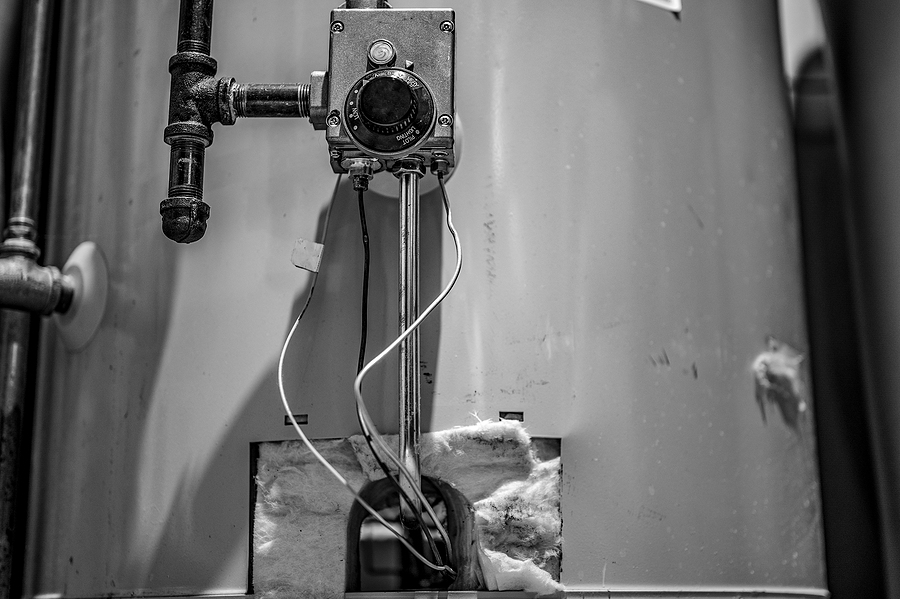
Why Does the Pilot Light Go Out?
Before you attempt to relight the flame, it is helpful to understand why it went out in the first place. Most modern water heaters are designed with safety as a top priority, meaning the system will shut down if it detects a potential hazard. Here are the most common reasons your pilot light might fail.
The Thermocouple Is Dirty or Bent
The thermocouple is the most frequent offender when a pilot light won’t stay lit. This small copper rod acts as a safety sensor. It sits in the flame of the pilot light and sends an electrical signal to the gas valve to keep it open. If the thermocouple detects that the flame has gone out (because it cools down), it cuts off the gas supply to prevent a dangerous leak.
Over time, carbon deposits and soot can build up on the thermocouple. This buildup acts as an insulator, preventing the device from sensing the heat of the flame even if the flame is lit. Alternatively, the rod may have been bumped and bent away from the flame. If the thermocouple can’t feel the heat, it assumes the flame is out and shuts the gas valve.
Strong Drafts or Airflow Issues
Your water heater needs air to burn gas, but too much turbulence can be a problem. If your unit is located in a drafty basement, near a door, or in an area with high winds (if the vent cap is damaged), a sudden gust can simply blow the flame out. This is similar to a candle flickering out in a breeze. While this is an easy fix, frequent outages due to drafts may indicate a need to seal the area or check the venting system.
A Dirty Pilot Tube
The pilot tube is the narrow pipe that supplies gas specifically to the pilot light. Over years of use, dirt and debris can accumulate inside this tube, restricting the flow of gas. If the flame becomes weak and yellow rather than a strong blue cone, it may not be hot enough to heat the thermocouple, causing the safety shut-off to trigger.
Gas Supply Interruptions
Sometimes the issue isn’t with the heater at all. If there is work being done on gas lines in your neighborhood, or if you have recently turned off the gas for other repairs, air pockets may have formed in the line. Occasionally, the main gas valve to the house or the unit itself may have been bumped into the “off” position.
View Our Gas Water Heater Repair Solutions in Indy ✨
How to Safely Troubleshoot and Relight Your Pilot Light
If you have determined that you need to relight the pilot, safety must be your primary concern. Dealing with natural gas requires caution. If you smell a strong odor of rotten eggs or hear a hissing sound, do not attempt to light the pilot. Leave the house immediately and call your gas utility provider or emergency services.
If there is no smell of gas, you can proceed with these general steps. Please note that you should always consult your specific water heater’s manual, as instructions can vary by model.
1. Locate the Gas Control Knob
Look for the gas regulator box on the side of the water heater. You will see a knob with three settings: “On,” “Off,” and “Pilot.” Turn the knob to the “Off” position and wait at least five minutes. This allows any residual gas in the combustion chamber to clear out, reducing the risk of a flare-up.
2. Access the Pilot Assembly
Depending on your model, you may need to remove a decorative cover at the bottom of the unit. Look inside to locate the pilot tube and the thermocouple. If it helps, use a flashlight to get a clear view of the assembly.
3. Prepare to Light
Turn the gas control knob to the “Pilot” setting. This position allows gas to flow only to the pilot light, not the main burner.
4. Ignite the Flame
Most modern heaters have a red or black piezoelectric igniter button (similar to a gas grill starter).
Press and hold down the gas control knob. This manually feeds gas to the pilot.
While holding the knob down, press the igniter button repeatedly until you see the pilot flame catch.
If you have an older model without an igniter, you may need to use a long-wand lighter to manually light the flame while holding down the knob.
5. Hold and Wait
Once the flame is lit, do not let go of the control knob yet. You must continue holding it down for roughly 60 seconds. This gives the thermocouple enough time to heat up and generate the electrical signal needed to keep the gas valve open.
6. Release and Turn On
Slowly release the control knob. The pilot flame should remain lit. If it goes out immediately, the thermocouple likely wasn’t hot enough—wait a few minutes and try again, holding the knob longer. If the flame stays on, turn the knob from “Pilot” to “On.” You should hear a “whoosh” sound as the main burner ignites to heat the water.
When to Call a Professional Water Heater Plumber
While relighting a pilot is a standard DIY task, persistent issues require expert attention. There is a difference between a nuisance outage and a mechanical failure. You should contact a licensed plumber or HVAC technician if:
- The Pilot Won’t Stay Lit: If you have followed the relighting steps correctly multiple times and the flame immediately dies when you release the knob, your thermocouple is likely faulty and needs replacement.
- The Flame Is Yellow: A healthy gas flame should be blue with a yellow tip. A flame that is entirely yellow or orange indicates incomplete combustion, which can produce dangerous carbon monoxide.
- The Control Valve Is Broken: If the gas knob is stuck or won’t turn, never force it. A broken control valve is a significant safety hazard that requires professional replacement.
- There Is Carbon Buildup: If you see significant soot or debris in the combustion chamber, cleaning it requires specialized tools and knowledge to avoid damaging delicate parts.
Preventing Future Outages
To avoid future cold showers, a little preventative maintenance goes a long way. Keeping the area around your water heater clean is the first step. Ensure that boxes, laundry, and other clutter are kept at least two feet away from the unit to allow for proper airflow.
Furthermore, visual inspections are helpful. Every few months, check the color of the flame. If it looks weak or flickery, you might have a draft issue or a dirty tube developing. Finally, consider scheduling an annual inspection. A professional water heater repair technician or plumber can clean the burner assembly, check the flue for obstructions, and test the thermocouple to ensure your system runs efficiently and safely all year round.
Maintaining Your Home’s Comfort
A water heater is an appliance we often take for granted until it stops working. While a pilot light outage is usually a minor inconvenience, it serves as a reminder of the complex systems keeping our homes comfortable. By understanding the basics of how your heater works and respecting the safety mechanisms in place, you can handle these minor hiccups with confidence.
However, when DIY solutions fail, it is vital to recognize when expert help is needed. Your safety and the longevity of your appliance are worth the investment.
If you are located in Indianapolis and can’t get your pilot light to stay lit, or if you suspect a larger issue with your water heater, don’t hesitate to reach out. Contact our team for professional water heater repair in Indianapolis today and let us help you get the hot water flowing again.
Related Post: Top Reasons Why Your Gas Water Heater Won’t Light