
If your faucets are crusted with white residue or your skin feels tight after every shower, hard water could be to blame. According to the U.S. Geological Survey, roughly 85% of homes across the country deal with hard water, making it one of the most common (and most overlooked) household issues.
Hard water isn’t dangerous to drink, but it can quietly wreak havoc on your plumbing, appliances, skin, and hair. Left untreated, it often leads to costly repairs and replacements down the road.
In this post, we’ll walk through the telltale signs of hard water, explain how it affects your home and health, and show you how a quality water softener can put an end to the problem for good.
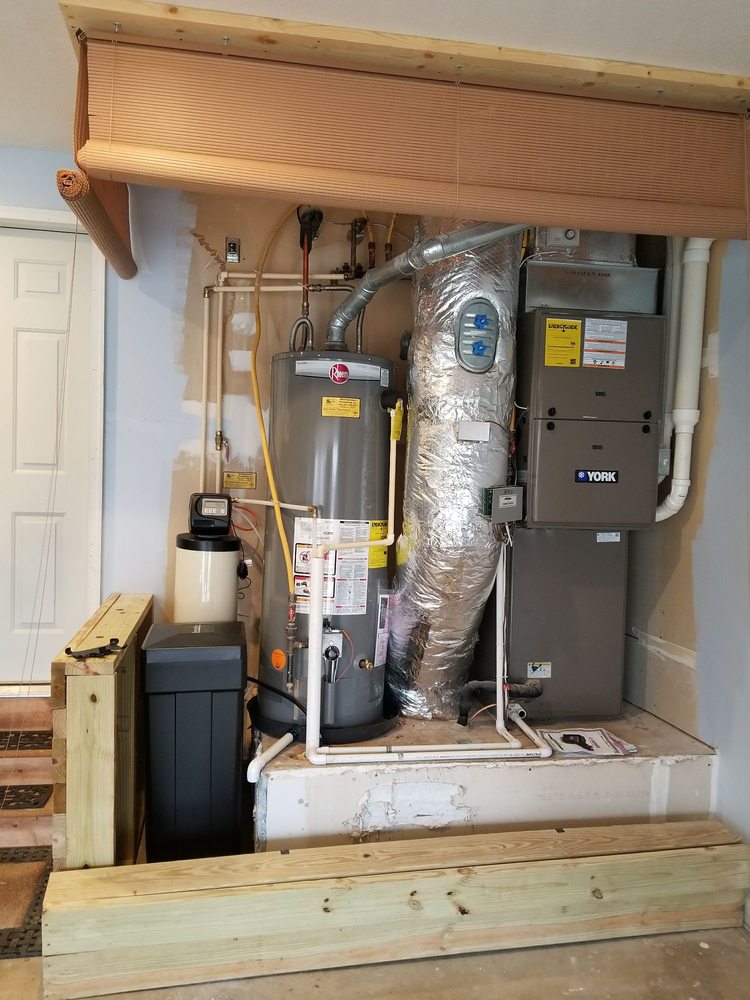
Common Signs of Hard Water
Hard water problems tend to build up slowly, which is why so many homeowners don’t notice them until they’ve become a real hassle. Here are the most common red flags.
White or Chalky Buildup on Faucets and Fixtures
That crusty, white residue around your faucets, showerheads, and drains is limescale—a mineral deposit left behind when hard water evaporates. It’s stubborn to clean and tends to return quickly if the underlying water hardness isn’t addressed.
Soap Scum on Shower Doors and Bathroom Surfaces
Calcium and magnesium in hard water react poorly with soap, creating a sticky residue known as soap scum. If you find yourself scrubbing shower doors and bathroom tiles more often than you’d like, hard water is likely the culprit.
Dull, Stiff Laundry and Difficulty Lathering Soap
Hard water makes it harder for detergent to dissolve fully, which can leave clothes feeling stiff, looking dingy, and wearing out faster than they should. You may also notice it’s tougher to work up a good lather when washing dishes or doing laundry.
Dry Skin and Hair After Showering
Ever step out of the shower feeling like you can’t quite rinse the soap off? That’s hard water leaving mineral deposits on your skin and hair, which can lead to dryness, irritation, and dull-looking hair over time.
Reduced Water Pressure From Mineral Deposits
Mineral buildup doesn’t just stay on the surface—it accumulates inside your pipes too. Over time, this scale narrows the diameter of your plumbing, which can noticeably reduce your home’s water pressure.
How Hard Water Affects Your Home and Health
Beyond the daily annoyances, hard water can take a real toll on your home’s systems and your family’s comfort.
Damage to Appliances Like Dishwashers and Water Heaters
Mineral scale builds up inside water-using appliances, forcing them to work harder and wear out sooner. Research from Culligan found that soft water can extend the useful life of a dishwasher and washing machine by 50%, and a water heater by 33%, compared to hard water. The American Water Works Association also notes that hard water can cause washing machines to wear out up to 30% faster than normal.
Increased Energy Costs From Appliance Inefficiency
When scale builds up inside a water heater, it takes more energy to heat the same amount of water. Over time, this inefficiency shows up directly on your utility bills.
Potential Skin Irritation and Hair Problems
For those prone to eczema or sensitive skin, hard water can make symptoms worse. Mineral residue left on the skin can clog pores and disrupt your skin’s natural barrier, contributing to dryness and irritation.
Shorter Lifespan of Plumbing Fixtures
Just like appliances, faucets, and pipes are subject to scale buildup, which can shorten their lifespan and lead to more frequent repairs.
Altogether, these issues add up. Water-Right estimates that hard water problems can cost homeowners $800 or more per year in cleaning products, energy waste, and premature replacements.
How Water Softeners Work
A water softener tackles hard water at its source, using a process called ion exchange.
The Ion Exchange Process
As hard water flows through the softener, calcium and magnesium ions are attracted to a bed of resin beads inside the tank. These beads exchange the hardness minerals for sodium ions, releasing softened water into your home. Once the resin becomes saturated, the system flushes it with a saltwater brine solution to recharge the beads for the next cycle.
Types of Water Softeners
There are a few different softener designs, including timer-based systems that regenerate on a set schedule and demand-initiated regeneration (DIR) systems, which regenerate only when needed based on actual water usage. DIR systems, sometimes called “on-demand” softeners, tend to be more efficient, using less salt and water over time.
Salt-Based vs. Salt-Free Options
True water softeners use salt to remove calcium and magnesium from your water. Salt-free systems, often marketed as “water conditioners,” don’t actually remove hardness minerals. Instead, they alter the minerals so they’re less likely to stick to surfaces. If your goal is to eliminate hard water entirely, a salt-based softener is the more reliable choice.
Benefits of Installing a Water Softener
Once a softener is in place, most homeowners notice a difference within days.
- Extended life of appliances and plumbing: Less scale buildup means your dishwasher, water heater, and pipes last longer.
- Softer skin and healthier hair: Soap rinses away completely, leaving skin and hair feeling noticeably softer.
- Cleaner dishes and brighter laundry: Say goodbye to spotty glassware and dingy towels.
- Lower energy bills and reduced maintenance costs: Appliances run more efficiently without mineral buildup weighing them down.
- Better-tasting water: Many homeowners notice an improvement in both the taste and feel of their tap water after choosing to install a water softener.
Frequently Asked Questions
How much does a water softener cost?
Costs vary depending on the size and type of system, along with installation needs. Whole-home softeners typically range from a few hundred to a few thousand dollars, with pricing based on the unit’s grain capacity and features.
How much maintenance does a water softener require?
Most systems need periodic salt refills and occasional checks on the brine tank and resin bed. Demand-based systems tend to require less maintenance since they regenerate only when needed.
How long does installation take?
A professional installation typically takes just a few hours, depending on your home’s existing plumbing setup.
Will a water softener remove all water problems?
Water softeners are highly effective at removing calcium and magnesium, but they don’t address other issues like bacteria, sediment, or certain contaminants. A water test can help identify exactly what’s in your water.
Ready for Softer Water in Your Indianapolis Home?
Hard water may be common, but it doesn’t have to be a permanent part of your daily routine. Recognizing the signs early, and addressing them with a quality water softener, can save you money, protect your appliances, and make everyday tasks like showering and laundry more comfortable.
If you’re ready to leave hard water behind, Weilhammer Plumbing Co. Inc. can help. We install Clack On Demand water softeners for Indianapolis homeowners, including a new metered 48,000-grain unit backed by a 2-year labor warranty, 5-year parts warranty, and 4-year resin bed warranty, all for under $1,799. Contact us today to schedule your installation and start enjoying softer, cleaner water throughout your home.
Related Posts:
Solving Hard Water Problems in Your Home: Common Treatment Options
Hard Water Damage: The Hidden Costs for Your Home
When to Get a Water Softener Inspection: A Simple Guide