
A tankless water heater should provide a steady supply of hot water when your household needs it. If your showers have become lukewarm, the kitchen faucet never gets hot enough, or the water temperature changes without warning, something may be preventing the system from heating properly.
The problem does not always mean your water heater needs to be replaced. Mineral buildup, excessive hot-water demand, restricted water flow, and incorrect settings are among the issues that can affect performance. In other cases, a faulty component or utility supply problem may require professional repair.
At Weilhammer Plumbing Co. Inc., we help Indianapolis-area homeowners diagnose and repair water heater problems. If your tankless system is no longer delivering the hot water you expect, call 317-784-1870 to discuss the symptoms and schedule service.
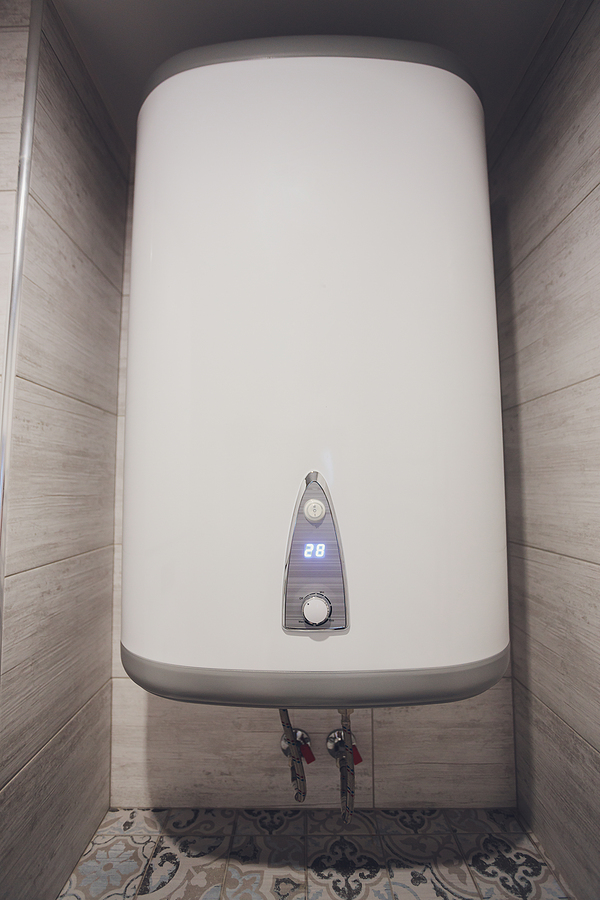
Why Is My Tankless Water Heater Producing Lukewarm Water?
Unlike a traditional storage-tank water heater, a tankless system heats water as it moves through the unit. When you open a hot-water faucet, the heater detects the flow and activates its heating system. The water then passes through a heat exchanger before traveling to your fixtures.
This process allows the unit to provide hot water continuously, but only within its designed heating capacity. The system must have enough gas or electrical power, adequate water flow, and a properly functioning heat exchanger to reach the requested temperature.
If one of those conditions is not met, the water may come out warm instead of hot. The timing of the problem often provides the first clue.
Quick Checks Before You Call a Plumber
A few simple observations can help narrow down the cause without opening the water heater or working on its internal components.
- Check more than one faucet. If only one shower or sink has lukewarm water, the problem may be with that fixture rather than the water heater.
- Run one hot-water fixture at a time. If the temperature improves when other fixtures are turned off, your household may be exceeding the unit’s heating capacity.
- Look at the temperature setting. Make sure the control panel has not been accidentally adjusted.
- Check the display for error codes. Write down any code shown so you can provide it to a plumber.
- Think about recent changes. A new showerhead, plumbing repair, appliance installation, or change in household water use may help explain when the problem started.
If you notice a gas odor, suspected combustion or venting problem, or an active leak near electrical components, stop using the equipment and seek appropriate professional assistance. Do not attempt to repair gas lines, electrical wiring, or internal safety controls yourself.
1. Mineral Buildup Is Restricting Heat Transfer
Hard water can leave calcium and other mineral deposits inside a tankless water heater. Over time, these deposits may accumulate in the heat exchanger and interfere with the system’s ability to transfer heat efficiently.
As scaling increases, the heater may struggle to maintain its target temperature, especially when hot-water demand is high. You may also notice reduced water flow, unusual operating noises, or a decline in performance that develops gradually.
What Can You Do?
Check when the water heater was last serviced. If it has been a long time, professional descaling may be appropriate. The technician can flush the heat exchanger using the procedure and cleaning solution specified for your particular unit.
Many manufacturers recommend periodic flushing, with the frequency depending on water quality, usage, and the model. Homes with harder water may require more frequent maintenance.
Need help with mineral buildup? Weilhammer Plumbing provides water heater maintenance and repair in Indianapolis. Call 317-784-1870 to ask about professional tankless water heater service.
2. Your Household Is Using More Hot Water Than the Unit Can Heat
Tankless water heaters do not store a limited supply of hot water, but they do have a limit on how much water they can heat at one time.
For example, a unit may be able to supply one shower comfortably but struggle when two showers, a washing machine, and a kitchen faucet are running simultaneously. If the combined demand exceeds the heater’s capacity, the water may not reach the desired temperature.
How to Check
Turn off the other hot-water fixtures and run only one shower or faucet. If the water becomes noticeably hotter, excessive simultaneous demand may be the cause.
A plumber can compare your household’s actual hot-water use with the unit’s rated capacity. If the system is undersized, the long-term solution may involve adjusting usage patterns, improving the installation, or considering equipment better suited to your home.
3. Colder Incoming Water Is Reducing Your Heater’s Capacity
Tankless water heaters must raise incoming water to the temperature selected on the control panel. The colder the incoming water, the more heat the system must add.
For example, if water enters the heater at 60°F and the target is 120°F, the required temperature rise is 60 degrees. If the incoming water drops to 40°F, the heater must produce an 80-degree rise to reach that same setting.
This matters because a tankless unit’s maximum hot-water flow depends on the required temperature rise. During colder months, the system may be able to heat fewer gallons per minute to your desired temperature.
What Can You Do?
Try reducing simultaneous hot-water use to see whether the temperature improves. Do not automatically raise the thermostat to compensate for colder incoming water. A higher setting can increase the heating demand and may not solve a capacity problem.
If your water heater consistently struggles during winter, a licensed plumber can evaluate whether the unit is properly sized for your household and local incoming water conditions.
4. Water Flow Is Too Low to Keep the Heater Running
Tankless water heaters require a minimum amount of water flow to activate and remain in operation. If the flow drops below the unit’s required level, the burner or heating elements may shut off.
This can happen when a faucet is barely open, a showerhead is heavily restricted, or sediment has accumulated in a water inlet filter. The result may be water that starts hot and then becomes lukewarm or cold.
What Can You Do?
Try opening the hot-water faucet farther and see whether the temperature stabilizes. If the problem occurs only at one fixture, check whether its aerator or showerhead is restricted.
A plumber can inspect the heater’s inlet filter, flow sensor, and other components if the issue continues. Avoid removing internal parts or changing safety settings unless you are following the manufacturer’s instructions and are qualified to perform the work.
5. The Temperature Setting or Mixing Valve Is Incorrect
Sometimes the water heater is operating correctly, but the temperature reaching your faucet is lower than expected.
Most households use a water heater setting around 120°F, although the appropriate setting depends on the equipment, household needs, and scalding precautions. If the control panel has been set too low, the water may never reach your preferred temperature.
A faulty or incorrectly adjusted mixing valve can also blend too much cold water into the hot-water supply. Similarly, a problem with a shower’s pressure-balancing or thermostatic valve may cause lukewarm water at that fixture even when the heater is working properly.
What Can You Do?
Check the displayed temperature and consult your owner’s manual before making adjustments. If the heater is set correctly but the water remains lukewarm, a plumber can determine whether the issue is coming from the heater, a mixing valve, or an individual fixture.
Avoid setting the water heater excessively high in an attempt to overcome a plumbing problem. Higher water temperatures increase the risk of scalding.
6. The Gas or Electrical Supply Is Inadequate
A tankless water heater needs enough energy to heat water at its rated capacity. If the supply is insufficient, the unit may struggle to maintain temperature or fail to operate correctly.
For gas models, possible causes include an undersized gas line, improper gas pressure, or a problem with the burner or gas control system. Electric models may experience heating problems related to inadequate electrical capacity, failed heating components, or other electrical faults.
These problems require professional diagnosis. A qualified technician can determine whether the heater is receiving the proper supply and whether its components are operating according to manufacturer specifications.
If your tankless water heater is not getting hot enough despite normal settings and water use, call Weilhammer Plumbing at 317-784-1870. We can help identify the cause and explain the available repair options.
7. A Sensor, Heat Exchanger, or Other Component Is Failing
If the simpler causes have been ruled out, the problem may involve an internal component.
Tankless water heaters rely on temperature sensors, flow sensors, control boards, heating elements or burners, and other components to regulate operation. A malfunction can cause inconsistent temperatures, error codes, or a complete loss of hot water.
A damaged heat exchanger may also affect performance and, depending on the nature of the failure, could make replacement necessary. However, lukewarm water alone does not establish that the heat exchanger has failed.
A professional diagnosis is the best way to determine which component is responsible and whether repair or replacement makes more sense.
Why Does My Tankless Water Heater Go Hot, Then Cold, Then Hot Again?
A brief burst of cold water between periods of hot water is sometimes called a cold-water sandwich.
This can occur when hot-water use stops and starts in quick succession. Hot water remaining in the plumbing may reach the faucet first, followed by a small amount of cooler water produced while the heater is restarting, and then newly heated water.
Occasional temperature changes during startup are different from a system that repeatedly turns cold during a continuous shower. If the problem happens frequently, a plumber can check flow rates, controls, and the system’s configuration. Some tankless models use buffer tanks or recirculation features to reduce this effect.
When Should You Schedule Tankless Water Heater Repair?
You do not need to wait until the system stops producing hot water entirely. A noticeable change in performance is a good reason to have the unit inspected.
Consider scheduling professional service if:
- The water remains lukewarm even when only one fixture is running.
- Hot-water temperatures fluctuate during normal use.
- The unit displays recurring error codes.
- You notice leaks, unusual noises, or repeated shutdowns.
- The system has not been flushed or serviced in a long time.
- The heater worked properly before but can no longer keep up with your household’s usual demand.
A plumber can inspect the water flow, heating operation, temperature controls, and relevant components to identify the cause. Depending on the findings, the solution may be maintenance, a component repair, a plumbing adjustment, or equipment replacement.
Repair or Replace: Which Makes More Sense?
A tankless water heater that is producing lukewarm water does not automatically need to be replaced. If the problem is caused by scaling, a restricted filter, or a repairable component, service may restore normal operation.
Replacement may be worth considering when the unit has a major failure, requires repeated costly repairs, or is no longer adequate for your household’s hot-water needs. Its age, maintenance history, condition, and the cost of repair should all factor into the decision.
Tankless water heaters can last up to 20 years with proper care, although actual lifespan varies with water quality, usage, and maintenance. A technician can help you determine whether repairing your existing system is the more practical option.
Frequently Asked Questions
Why is my tankless water heater only producing warm water?
Common causes include mineral buildup, excessive hot-water demand, restricted flow, incorrect temperature settings, and problems with the gas or electrical supply. If the issue occurs at only one faucet, the fixture or mixing valve may be responsible.
Can I fix a lukewarm tankless water heater myself?
You can safely check the temperature setting, look for error codes, and test whether the problem occurs at one fixture or throughout the home. Some manufacturer-approved maintenance may also be appropriate for experienced homeowners. Gas, electrical, venting, and internal component repairs should be handled by qualified professionals.
How often should a tankless water heater be flushed?
Many manufacturers recommend periodic flushing, often annually, but the correct interval depends on the model and your water quality. Homes with hard water may need more frequent service. Follow your owner’s manual or ask a plumber to recommend a maintenance schedule.
Why does my tankless water heater get cold when someone else uses hot water?
Your household may be exceeding the unit’s heating capacity. When multiple fixtures run at once, the heater may not be able to raise all of the water to the selected temperature. If this happens regularly, a plumber can evaluate the unit’s sizing and flow requirements.
Should I turn up my tankless water heater to get hotter water?
First, confirm that the setting is correct. Increasing the temperature may help if it was accidentally set too low, but it will not necessarily solve scaling, inadequate energy supply, or an undersized system. Avoid excessive settings because hot water can cause scalding.
How much does tankless water heater repair cost?
The cost depends on the cause of the problem, the unit’s make and model, and whether it needs maintenance, a replacement part, or more extensive repair. A professional inspection can identify the issue and provide a more accurate estimate before work begins.
Get Your Hot Water Back With Weilhammer Plumbing
You should not have to schedule showers around your water heater or settle for lukewarm water from a system designed to provide dependable hot water. Whether the problem is mineral buildup, inconsistent temperatures, a faulty component, or a heater that cannot keep up with your household, identifying the cause is the first step toward fixing it.
Weilhammer Plumbing Co. Inc. provides tankless water heater repair, maintenance, and replacement services in Indianapolis and the surrounding area. Our licensed plumbers can inspect your system, explain the problem, and recommend a practical solution. We also offer free estimates and same-day service when available.
Ready to restore reliable hot water? Contact Weilhammer Plumbing to schedule service or call us directly to discuss your water heater problem.
Related Posts:
Energy Efficiency Benefits of Tankless Water Heaters
A Quick Comparison of Tankless and Tank Style Water Heaters
How to Size a Tankless Water Heater for Your Home or Office