
Stepping into a shower only to be greeted by freezing water is a jarring experience. A reliable supply of hot water is essential for daily comfort, from morning routines to cleaning dishes and washing laundry. When your current system starts failing, finding the right replacement becomes an urgent priority.
A water heater is a significant investment in your home’s infrastructure. Making the right choice ensures you have consistent hot water while managing your monthly utility bills. With various types, sizes, and efficiency ratings available, the selection process can easily feel overwhelming.
Understanding how different systems work is crucial for maintaining a comfortable home. This guide will walk you through the options, helping you select a unit that meets your household’s unique demands.
Understanding Water Heater Types
The first step in finding the right system is knowing what options exist. Different models heat and store water in completely different ways.
Conventional Storage Tank Water Heaters
These are the most common units found in residential homes. They feature an insulated tank that holds a specific volume of water, keeping it heated and ready for use. When you turn on a hot water tap, the heated water is released from the top of the tank, while cold water enters the bottom to be heated. They are generally the most affordable to purchase, though they experience “standby heat loss” since the water is kept hot continuously.
Tankless Water Heaters
Also known as on-demand systems, tankless units heat water directly without the use of a storage tank. When a hot water tap is turned on, cold water travels through a pipe into the unit, where a gas burner or an electric element heats it instantly. They provide a constant supply of hot water and eliminate standby heat loss, making them highly energy-efficient.
Heat Pump (Hybrid) Water Heaters
Heat pump water heaters capture heat from the air and transfer it to the water. They use electricity to move heat from one place to another instead of generating heat directly. Because of this unique operation, they can be two to three times more energy-efficient than conventional electric resistance water heaters.
Solar Water Heaters
Solar water heating systems use roof-mounted panels to absorb the sun’s thermal energy, which is then transferred to an antifreeze-like fluid in a closed-loop system. This fluid runs through a heat exchanger to warm the water in a storage tank. While they have a higher upfront cost, they offer significant long-term savings on energy bills.
Key Factors for Selecting a Water Heater
Once you know the types available, you must narrow down the choices based on your home’s specific requirements.
Fuel Type and Energy Efficiency
Your fuel choice heavily impacts your annual operating costs. The most common fuel types are electricity and natural gas. Natural gas water heaters typically cost more to purchase and install but are generally less expensive to operate than electric models. If you are switching fuel types, keep in mind that retrofitting your home for gas or upgrading your electrical panel can add significantly to the installation cost.
Sizing Your Water Heater for Your Home
A properly sized water heater will meet your household’s peak demands without wasting energy. For conventional tanks, you need to look at the First Hour Rating (FHR). The FHR measures how much hot water the heater can deliver in an hour when starting with a full tank. The formula for FHR is roughly the tank capacity multiplied by 0.70, plus the recovery rate. A household of one to two people generally needs a 30 to 40-gallon tank. If you have three or four people living in the home, a 50-gallon tank is often necessary.
Energy Factor (EF) and Uniform Energy Factor (UEF)
Efficiency ratings help you understand how well a unit converts energy into heat. Historically, the Energy Factor (EF) was the standard metric. Today, the Uniform Energy Factor (UEF) is the modern standard used for residential water heaters. A higher UEF indicates a more efficient water heater, which directly translates to lower operating costs.
Cost Considerations: Purchase, Installation, and Operation
When budgeting for a new system, you must look at the total cost of ownership. A tankless water heater might cost twice as much as a conventional tank upfront. However, its lower operating costs and longer lifespan can offset the initial price tag over time. Always weigh the upfront installation expenses against the projected monthly energy savings.
Water Heater Installation and Maintenance Tips
A water heater is only as good as its installation and upkeep. Proper care guarantees your system operates safely and efficiently.
Professional Installation Benefits
Installing a water heater involves working with electricity, natural gas, carbon monoxide venting, and pressurized water. It is a complex job that requires strict adherence to local building codes. For example, Indiana code requires non-pressurized expansion tanks to be securely fastened and supported to carry twice the weight of the tank filled with water. Hiring a professional water heater service ensures the job meets all safety regulations and protects your manufacturer’s warranty.
Regular Maintenance for Longevity
Routine maintenance is vital, especially if you live in an area with hard water. In Indianapolis, the water hardness averages between 12 and 25 grains per gallon, which is considered extremely hard. This high mineral content leads to rapid calcium and sediment buildup inside your tank. Flushing your water heater at least once a year helps remove this sediment, preventing blockages, increasing efficiency, and extending the life of your appliance.
Frequently Asked Questions
How do I know if my water heater needs replacing?
Signs of a failing unit include rusty water coming from your hot taps, rumbling or popping noises from the tank, visible leaks around the base, and a consistent lack of hot water. If your unit requires frequent repairs, replacement is often the more economical choice.
What is the average lifespan of a water heater?
Conventional storage tank water heaters generally last between 8 and 12 years. Tankless water heaters have a longer life expectancy, often lasting 15 to 20 years when properly maintained.
Can I install a water heater myself?
While some experienced DIYers might attempt it, professional installation is highly recommended. Improper installation can lead to gas leaks, electrical fires, water damage, and dangerous carbon monoxide buildup.
How can I improve my water heater’s efficiency?
You can easily boost efficiency by lowering the thermostat on your unit to 120 degrees Fahrenheit. Insulating the first few feet of the hot and cold water pipes connected to the heater also prevents heat loss.
Making an Informed Decision
Replacing a water heater is a major home improvement project that requires careful thought. By understanding your household’s hot water usage, comparing different heating technologies, and paying attention to efficiency ratings, you can select a system that provides lasting comfort. Remember that regular maintenance and professional installation are just as important as the unit you choose to buy.
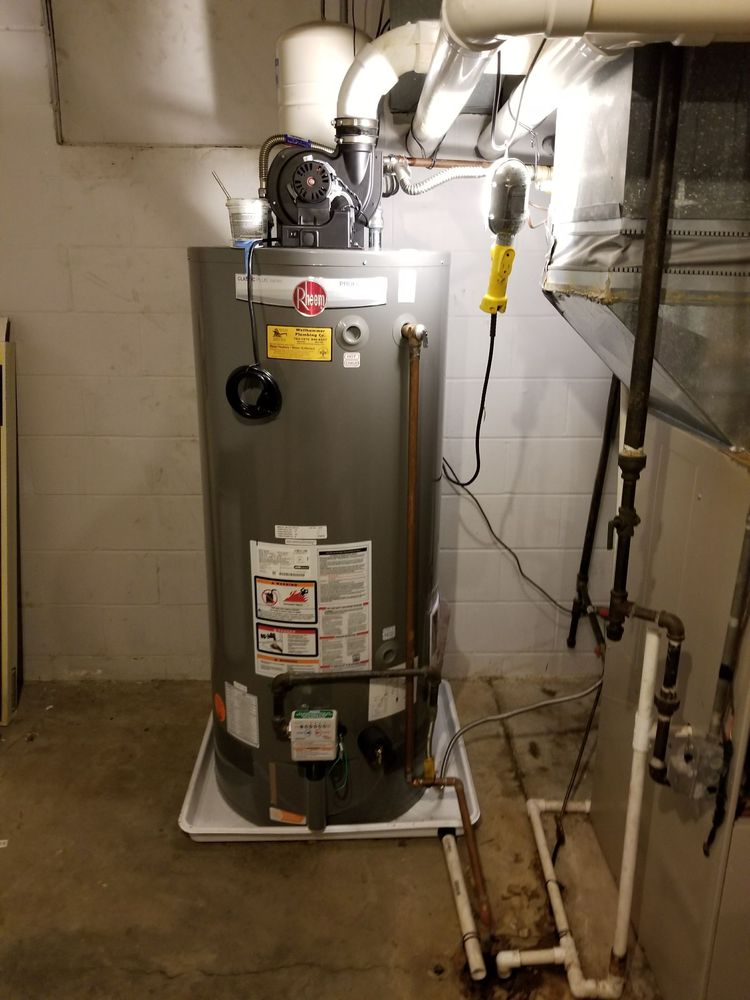
If you are ready for a reliable upgrade, we have an exclusive offer just for you. Take advantage of our current special and enjoy a brand new 50-Gallon Rheem water heater delivered and installed for just $1899*. This complete package includes the free removal of your old unit. Ensure your home has endless hot water and expert installation by contacting our team today to schedule your service.
Related Post: Water Heater Troubleshooting: How to Figure Out What’s Wrong