
There is nothing quite as jarring as stepping into a shower expecting warmth, only to be hit by a blast of icy water. It’s a harsh reminder of how much we rely on our water heaters for daily comfort. While these appliances are generally reliable workhorses, they aren’t immune to wear and tear.
Strange noises, mysterious puddles, and lukewarm water are all signs that your unit needs attention. Understanding these symptoms can help you decide whether a quick DIY fix is possible or if it’s time to call in a professional. Ignoring these signs often leads to bigger, more expensive problems down the road.
This guide covers the most common water heater issues homeowners face. We will walk you through safe diagnostic steps to help you get your hot water—and your comfort—back on track.
TL;DR and Key Takeaways:
- Popping noises usually indicate sediment buildup in the tank, which traps steam bubbles.
- Leaks from the bottom often signal a loose drain valve or, in worse cases, internal tank corrosion requiring replacement.
- No hot water is frequently caused by a tripped circuit breaker (electric) or an extinguished pilot light (gas).
- Rotten egg smells are caused by bacteria reacting with a magnesium anode rod; switching to aluminum-zinc can fix this.
- Safety first: Always turn off power or gas before inspecting your unit. If you smell gas, leave the house immediately.
Table of Contents:
- Why is my water heater making noise?
- Why is my water heater leaking from the bottom?
- Why do I have no hot water?
- Why does my water smell like sulfur?
- Frequently Asked Questions
- Quick Recap
- Conclusion
- Water Heater Repair in Indianapolis
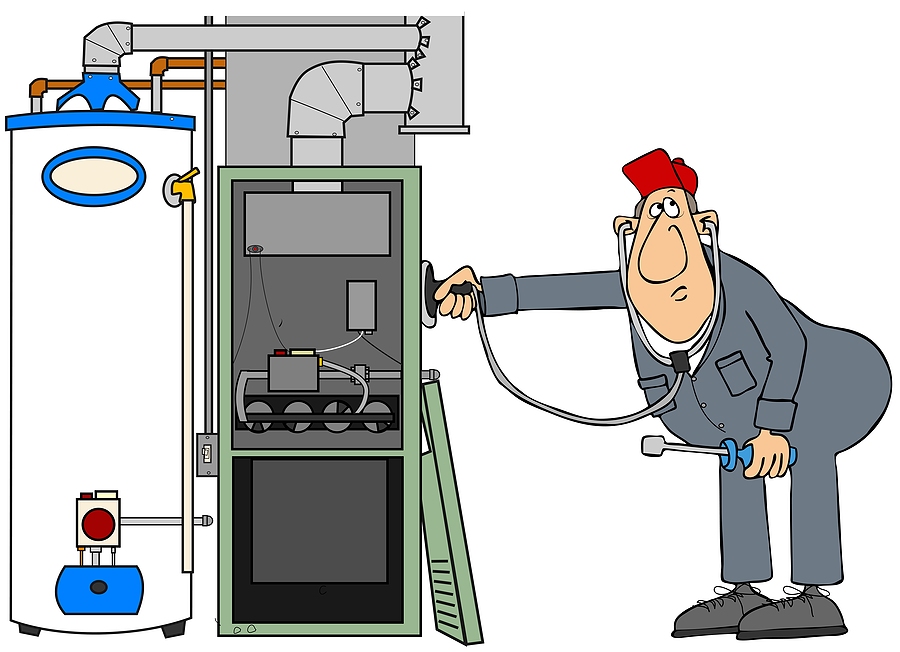
Why is My Water Heater Making Noise?
Noises like popping, rumbling, or banging are typically caused by sediment buildup at the bottom of the tank or thermal expansion.
As water heaters age, minerals like calcium and lime separate from the water and settle at the bottom of the tank. This layer of sediment acts as an insulator between the heating element (or burner) and the water. When the burner heats up, water trapped underneath the sediment boils and turns into steam bubbles. These bubbles eventually burst through the sediment layer, creating a loud popping or rumbling sound—much like a pot of boiling water with a lid rattling on top.
While the noise itself might seem harmless, the sediment forces your heater to work harder, which can overheat the tank’s bottom and damage the protective lining.
Other common noises:
- Sizzling: This is often caused by condensation dripping onto the hot burner, which is common in gas units when they are first installed or during cold weather.
- Water Hammer: If you hear a loud banging in the pipes when a faucet shuts off, this is likely “water hammer.” It’s caused by high water pressure stopping suddenly. Installing a water pressure regulator or an expansion tank can solve this.
- Screeching: This high-pitched sound can indicate a restricted water flow, often due to a partially closed valve.
How to fix it:
Flushing the tank is the standard solution for sediment buildup. This involves attaching a garden hose to the drain valve and letting the water run until it clears. If the noise persists after flushing, the sediment may have hardened into scale, which is harder to remove and might require professional descaling.
Why is My Water Heater Leaking from the Bottom?
Leaks from the bottom are usually caused by a loose drain valve, high pressure triggering the relief valve, or internal tank corrosion.
Finding a puddle of water around your heater is alarming, but it doesn’t always mean you need a new unit. First, check the drain valve at the very bottom. If it feels wet, it might just need tightening with a wrench. If tightening doesn’t stop the drip, the washer inside may be worn out, meaning the valve needs replacing.
Next, look at the Temperature and Pressure (T&P) Relief Valve. This safety device sits higher up on the tank and has a discharge tube running down to the floor. If water is dripping from this tube, the valve is doing its job—releasing excess pressure or temperature to prevent an explosion. However, if it leaks constantly, the valve itself might be faulty, or your home’s water pressure is too high.
The worst-case scenario:
If the water appears to be seeping directly from the tank’s seams or the metal casing itself, this indicates internal corrosion. Glass-lined tanks eventually crack or rust through. Once the tank structure is compromised, it cannot be repaired. In this case, shutting off the water supply and replacing the entire unit is the only option.
Why Do I Have No Hot Water?
A lack of hot water is most often due to a tripped circuit breaker (for electric units) or an extinguished pilot light (for gas units).
Before you panic, check the simplest culprits. If you have an electric water heater, go to your electrical panel and ensure the breaker hasn’t tripped. If the breaker is fine, check the “Reset” button located on the heater’s upper thermostat (you will need to remove a small access panel). This button, known as the High Limit switch, trips if the water gets too hot. If it keeps tripping, you likely have a faulty thermostat or heating element.
For gas water heaters, the most common culprit is the pilot light:
- Check the pilot: Follow the instructions on the manufacturer’s label to relight it. You typically turn the knob to “Pilot,” hold it down, and press the igniter button.
- Thermocouple issues: If the pilot lights but goes out as soon as you release the knob, the thermocouple—a safety sensor that detects the flame—may be dirty or broken.
- Airflow: Modern gas units have thermal switches that shut down the system if the burner isn’t getting enough air. Check that the air intake screens at the bottom aren’t clogged with dust or lint.
Why Does My Water Smell Like Sulfur?
A “rotten egg” smell is caused by bacteria in the water reacting with the magnesium anode rod inside your tank.
This issue is rarely a fault with the water heater itself but rather a chemical reaction. Most tanks come with a “sacrificial” anode rod made of magnesium. This rod is designed to rust so that your tank doesn’t. However, if your water supply has high levels of sulfur or specific bacteria, the magnesium rod reacts with them to produce hydrogen sulfide gas. This creates a potent sulfur odor, especially in the hot water supply.
How it can be fixed:
- Flush the system: Using a chlorine bleach solution to flush the tank can kill the bacteria, though the smell often returns.
- Replace the rod: The most permanent fix is to replace the magnesium anode rod with one made of an aluminum-zinc alloy. This alloy resists the chemical reaction that causes the odor while still protecting your tank from corrosion.
Frequently Asked Questions
How long do water heaters typically last?
Most traditional tank-style water heaters last between 8 and 12 years. Tankless models can last significantly longer, often up to 20 years with proper maintenance.
Is it safe to relight the pilot light myself?
Yes, provided you follow the manufacturer’s instructions carefully. However, safety is paramount. If you smell gas, do not attempt to light it. Turn off the gas supply and leave the building immediately, then call your utility company.
Can I replace a T&P valve myself?
Replacing a T&P valve is a manageable DIY task for those comfortable with plumbing basics. However, because this is a critical safety feature that prevents tank explosions, incorrect installation can be dangerous. If you are unsure, hire a professional for water heater repair.
How often should I flush my water heater?
Manufacturers generally recommend flushing your tank once a year. If you live in an area with hard water, you may need to do it every six months to prevent sediment buildup.
Quick Recap:
- Noise: Popping sounds usually mean sediment buildup; try flushing the tank.
- Leaks: Check the drain valve and T&P valve first. Seam leaks mean you need a replacement.
- No Heat (Electric): Check the circuit breaker and the red “Reset” button on the thermostat.
- No Heat (Gas): Check if the pilot light is out or if the air intake is clogged.
- Smell: A sulfur smell is a reaction with the anode rod; swap magnesium for aluminum-zinc.
Conclusion
Troubleshooting your water heater doesn’t have to be a guessing game. By listening to the sounds your unit makes and inspecting it for leaks or smells, you can often identify the root cause quickly. Regular maintenance, like annual flushing, can prevent many of these issues from disrupting your day.
However, water heaters involve high voltage, gas lines, and scalding water. If you are uncomfortable performing any diagnostics, or if your tank is showing signs of major failure like severe corrosion, it is always safer to call an expert.
Need professional help in Indianapolis? Don’t let a cold shower ruin your morning. If you are in Indianapolis or the surrounding areas and need reliable water heater repair or replacement, contact our team today. We are here to restore your comfort safely and efficiently.
Related Post: Rheem Water Heater Warranty: What You Need to Know Before You Buy