
Strong water pressure might feel satisfying in the shower, but it can quietly wreck your plumbing system. Pipes strain, appliances wear out early, and small leaks can turn into costly repairs before you even notice a problem.
Many homeowners don’t realize their water pressure is too high until something breaks. By then, you’re often looking at a damaged water heater, a burst pipe, or a plumbing bill you didn’t expect.
This guide walks you through what causes high water pressure, the warning signs to watch for, and how to fix it before it damages your home. We’ll also cover when it’s time to bring in a professional plumber.
What Causes High Water Pressure
High water pressure usually comes down to one of three issues.
Municipal Water Supply
Your local water utility delivers water at a pressure that works for the entire distribution system, not necessarily for your home. In many neighborhoods, especially those at lower elevations or close to pumping stations, the incoming pressure is simply too strong for residential plumbing.
Faulty Pressure Regulators
Most homes have a pressure-reducing valve (PRV) installed where the main water line enters the house. This device is designed to bring high municipal pressure down to a safe level. When it fails or wears out, pressure can climb well beyond what your pipes and appliances are built to handle.
Closed Water System Issues
If your home has a backflow preventer or check valve, your plumbing operates as a “closed” system. Water heated in your water heater expands, and with nowhere for that pressure to escape, it builds up inside your pipes. This thermal expansion issue can push pressure to unsafe levels even if your incoming supply is normal.
Signs Your Water Pressure Is Too High
High water pressure doesn’t always announce itself clearly, but there are telltale signs.
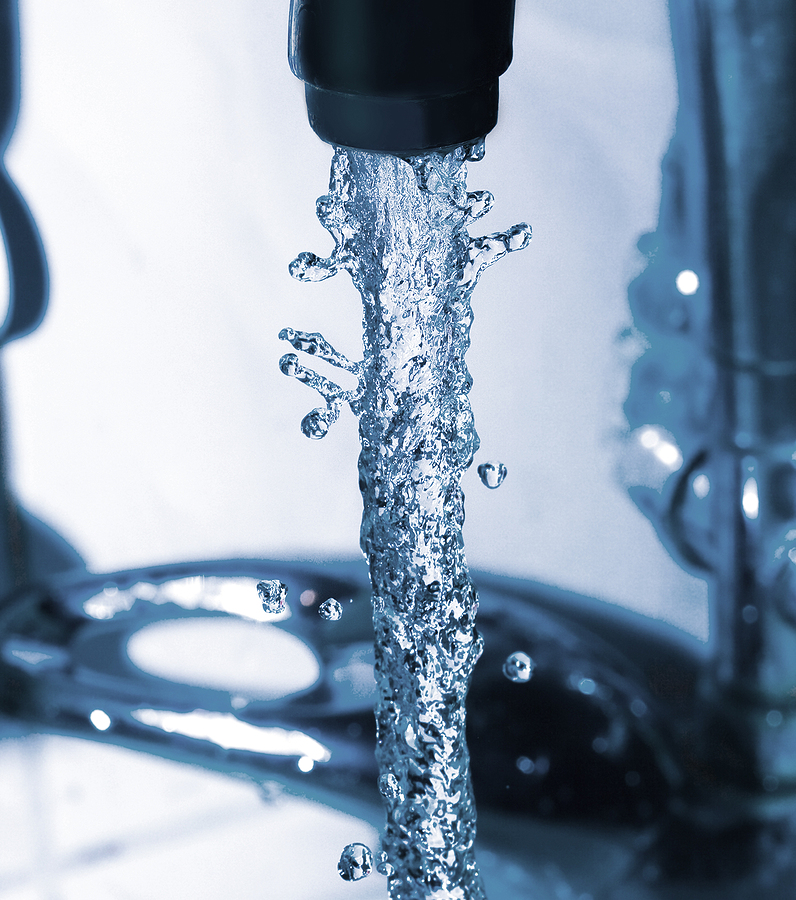
- Forceful spray from faucets and showerheads. Water that blasts out rather than flows is a classic symptom.
- Banging or hammering pipes. Known as water hammer, this loud noise occurs when water flow stops suddenly and pressure has nowhere to go.
- Appliances failing early or leaking. Washing machines, dishwashers, and water heaters are built for specific pressure ranges. Excess pressure shortens their lifespan.
- Unexplained spikes in your water bill. High pressure can cause small, hidden leaks that waste water without an obvious source.
If you’re noticing two or more of these signs, it’s worth testing your water pressure right away.
How High Water Pressure Damages Your Home
The damage from excessive water pressure builds slowly, often out of sight.
Pipe Joints and Connections
Every joint, connection, and fitting in your plumbing system is rated for a certain pressure range. Constant stress from high pressure weakens these connections over time, leading to slow leaks or sudden pipe failures.
Appliances and Water Heaters
Water heaters, washing machines, and dishwashers all have internal components designed for standard residential pressure. When pressure runs too high, seals wear out faster, hoses can burst, and the appliance’s overall lifespan shortens significantly.
Fixtures and Fittings
Faucets, showerheads, and valves take a beating under high pressure. Corrosion and premature wear are common, meaning you’ll replace these fixtures more often than you should.
How to Test Your Water Pressure
Testing your water pressure is straightforward and only takes a few minutes.
- Buy a water pressure gauge from a hardware store (they’re inexpensive and easy to use).
- Screw the gauge onto an outdoor spigot or a washing machine hookup.
- Turn the water on fully and read the PSI (pounds per square inch) on the gauge.
Normal residential water pressure falls between 40 and 60 PSI. Anything above 80 PSI is considered dangerously high and should be addressed as soon as possible to avoid damage to your plumbing system.
Solutions to Reduce High Water Pressure
Once you’ve confirmed your pressure is too high, a few fixes can bring it back to a safe range.
Install or Replace a Pressure Regulator
If your home doesn’t have a pressure-reducing valve, installing one at the main water line is the most effective long-term solution. If you already have one, a failing regulator will need to be replaced to restore proper function.
Adjust Your Existing Regulator
In some cases, your current regulator simply needs recalibrating. Many models have an adjustment screw that allows you to lower the output pressure without a full replacement.
Add a Water Hammer Arrestor
If banging pipes are your main symptom, a water hammer arrestor can absorb the shock created when water flow stops suddenly. This device is especially useful near washing machines and dishwashers, where water hammer tends to be most noticeable.
When to Call a Professional Plumber
Some water pressure issues are simple do-it-yourself fixes. Others require a trained eye.
Call a licensed plumber if:
- Your home needs a new pressure regulator installed and you’re not experienced with plumbing work.
- You’ve adjusted your existing regulator and pressure issues persist.
- You’re unsure what’s causing your high pressure or how your home’s water system is configured.
Getting a professional plumbing inspection can save you from costly trial and error, especially when pipes or appliances are already showing signs of strain.
Frequently Asked Questions
What is normal water pressure for a home?
Normal residential water pressure ranges from 40 to 60 PSI. Pressure above 80 PSI is considered dangerously high and can damage pipes and appliances over time.
Can high water pressure increase my water bill?
Yes. High pressure can cause small leaks throughout your plumbing system that waste water without being immediately visible, leading to unexplained increases in your bill.
Is high water pressure dangerous?
High water pressure won’t put you in immediate danger, but it puts significant stress on your plumbing system. Over time, it can lead to burst pipes, appliance failure, and water damage to your home.
Protect Your Plumbing Before It’s Too Late
High water pressure is a problem that only gets worse with time. The sooner you test your pressure and address the cause, the more you’ll save on repairs, replacements, and water waste.
If you suspect your Indianapolis home has high water pressure, or you’re ready for a professional assessment, contact Weilhammer Plumbing Co. Inc. Our team can test your system, diagnose the cause, and install the right solution to protect your pipes and appliances for years to come.
Related Posts:
10 Common Causes of Low Water Pressure in Your Home and How to Fix It
The Difference Between Water Pressure and Water Volume
Why Your Bathroom Sink Has Low Water Pressure