
A puddle forming around your water heater is never something to ignore. It’s a clear signal that something inside the unit, or in its connections, needs attention right away. Left unchecked, even a small leak can lead to water damage, mold growth, or a complete tank failure.
The good news is that not every puddle means disaster. Some causes are simple fixes you can handle yourself, while others require a professional’s trained eye. This guide walks you through the most common causes of water heater leaks, how to pinpoint the source, and when it’s time to call in an expert.
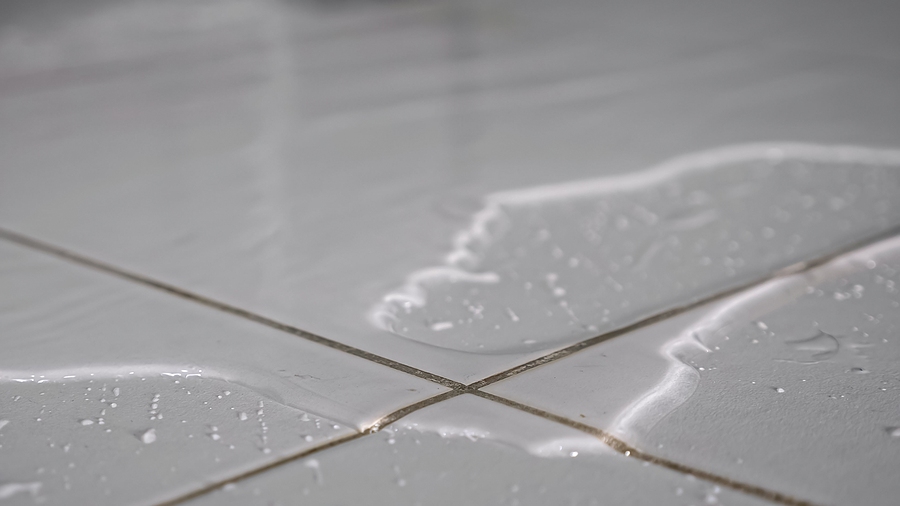
Common Causes of Water Puddles
Water heaters can leak for several reasons, ranging from harmless condensation to serious internal damage. Knowing the difference helps you respond appropriately and avoid unnecessary panic—or worse, unnecessary delay.
Condensation Buildup
When cold water enters a hot tank, temperature differences can cause condensation to form on the outside of the unit. This is especially common with new installations or during periods of high humidity. Condensation typically appears as light moisture rather than a growing puddle, and it usually resolves on its own as the tank’s temperature stabilizes.
Leaking Drain Pan or Clogged Drain Line
Most water heaters sit in a drain pan designed to catch minor drips and direct them away through a drain line. If that line becomes clogged with debris, water can back up and overflow the pan, creating a puddle on the floor. A cracked or damaged drain pan can cause the same issue, even without a clog.
Tank Corrosion and Pinhole Leaks
Over time, the interior of a water heater tank can corrode, especially in units nearing the end of their lifespan. This corrosion can create small pinhole leaks that slowly release water. Corrosion is a serious issue since it usually signals that the tank itself is failing and will need replacement, not just repair.
Loose or Damaged Water Supply Connections
The pipes and fittings connecting your water heater to your home’s plumbing can loosen over time due to vibration, temperature changes, or simple wear. Damaged gaskets or worn-out fittings can also allow water to seep out gradually, pooling at the base of the unit.
Failed Temperature and Pressure Relief Valve
The temperature and pressure (T&P) relief valve is a critical safety feature that releases water if pressure or temperature inside the tank climbs too high. If this valve malfunctions or becomes stuck, it may leak continuously, even under normal operating conditions.
How to Identify the Problem
Before deciding on next steps, take a few minutes to safely inspect the situation. Before touching anything, turn off the power (for electric units) or the gas supply, and shut off the cold water inlet valve. This protects you from electrical hazards and prevents additional water from entering the tank while you investigate.
Check the Water’s Appearance
Clear water often points to condensation or a loose connection, while discolored or rusty water can indicate internal tank corrosion. This distinction alone can help you narrow down the likely cause.
Locate Where the Puddle Originates
Trace the water back to its source. Puddles forming directly beneath the tank often suggest an internal leak or corrosion, while water pooling near pipe connections usually means a loose fitting or damaged gasket.
Inspect Visible Connections and the Tank Exterior
Look closely at the fittings, valves, and the exterior of the tank itself for signs of rust, moisture, or dripping. A flashlight can help you spot small leaks that might otherwise go unnoticed in dim utility spaces.
Note the Frequency and Size of the Leak
Is the puddle small and isolated, or does it keep growing? A one-time drip from condensation is far less concerning than a steady, expanding leak, which usually points to a more serious underlying problem.
When to Call a Plumber
Some water heater issues are safe to troubleshoot on your own, but others call for professional water heater service. Here’s when it’s time to stop guessing and bring in an expert.
Visible Corrosion or Rust on the Tank
Rust and corrosion on the tank itself usually mean the unit is failing internally. This generally can’t be repaired and often means the water heater will need to be replaced.
Persistent Leaking That Doesn’t Stop
If tightening connections or clearing the drain line doesn’t stop the leak, there’s likely a deeper issue that requires professional diagnosis.
Multiple Puddles or Spreading Water Damage
Widespread leaking or water damage beyond the immediate area around the unit suggests a more significant problem that needs prompt attention to prevent further damage to your home.
Age of the Water Heater
If your water heater is more than 10 years old, a leak may be a sign that the unit is simply reaching the end of its useful life. In these cases, replacement is often more cost-effective than repair.
Uncertainty About the Cause
If you’ve inspected the unit and still aren’t sure where the water is coming from, it’s best to call a professional rather than risk further damage or a safety hazard.
DIY Troubleshooting Steps
If your situation seems minor, these steps may help resolve the issue before it escalates.
Tighten Loose Connections
Using a wrench, gently tighten any loose fittings or connections you find. Be careful not to overtighten, as this can damage the threads or fittings further.
Clear the Drain Line
If the drain line is accessible, check for visible clogs or debris and clear them if you can do so safely.
Check and Empty the Drain Pan
Inspect the drain pan for cracks or damage, and empty any standing water. A damaged pan may need to be replaced to prevent future overflow.
Verify the Relief Valve Isn’t Stuck Open
Visually check the temperature and pressure relief valve to see if it’s stuck in the open position. Because this valve releases hot water, use caution and avoid direct contact to prevent scalding.
FAQ
How long can I wait before fixing a leaking water heater?
It’s best not to wait at all. Even a small leak can worsen quickly, leading to water damage, mold, or a complete tank failure. Addressing the issue promptly helps minimize repair costs and protects your home.
Is a small puddle an emergency?
A small puddle isn’t always an emergency, but it shouldn’t be ignored either. If the water is clear and the puddle isn’t growing, it may be condensation. However, if you notice rust-colored water, a spreading puddle, or signs of corrosion, treat it as urgent and contact a plumber.
Can I repair my water heater myself?
Minor issues, like loose connections or a clogged drain line, are often safe to address yourself. However, problems involving tank corrosion, the T&P relief valve, or persistent leaks typically require a professional to diagnose and repair safely.
What’s the cost to replace a leaking water heater?
The cost of replacing a water heater depends on several factors, including tank size, fuel type, labor rates, and local code requirements. For an accurate quote tailored to your home, contact Weilhammer Plumbing Co. Inc. for a professional assessment.
Don’t Let a Small Leak Become a Big Problem
A puddle around your water heater is your home’s way of asking for help. Whether the cause is as simple as condensation or as serious as tank corrosion, addressing it quickly protects your home from costly water damage and extends the life of your plumbing system.
If you’re in the Indianapolis area and need a professional diagnosis or repair, contact Weilhammer Plumbing Co. Inc. Our experienced team can identify the source of your leak and recommend the right solution, whether that’s a simple fix or a full replacement.
Related Posts:
When to Seek Professional Water Heater Repair
Common Signs That Suggest You Need Hot Water Heater Replacement Service
What To Do If Your Hot Water Heater Springs a Leak