
A cold shower is an unwelcome surprise, especially when the culprit is simply an unlit water heater. Gas water heaters with electronic ignition systems are designed to be reliable, but every system needs a restart from time to time, whether after a power outage, routine maintenance, or a gas supply interruption.
The good news is that lighting a gas water heater with electronic ignition is a straightforward process once you understand how the system works. This guide walks through the function of electronic ignition, a step-by-step process for lighting your unit safely, and what to do when the burner won’t ignite.
By the end, you’ll know exactly how to get your hot water flowing again, and when it’s time to call in a professional.
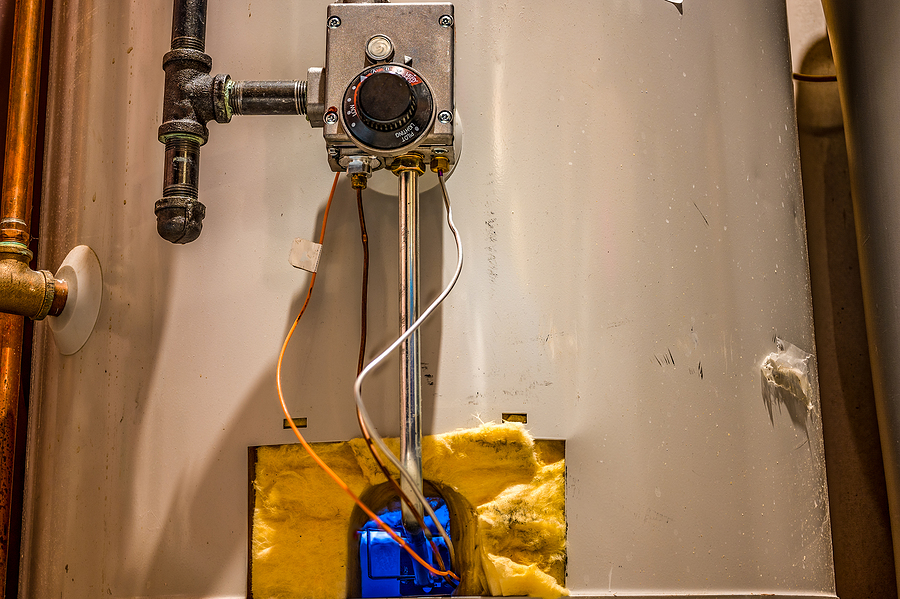
How Electronic Ignition Systems Work
Older gas water heaters rely on a standing pilot light: a small flame that burns continuously to ignite the main burner whenever hot water is needed. Electronic ignition systems work differently. Instead of a constant flame, these systems use an igniter to create a spark only when the water heater calls for heat.
This design offers two clear advantages. First, it conserves gas since there’s no flame burning around the clock. Second, it reduces the risk of the pilot light being extinguished by drafts, a common issue with standing pilot systems.
Key Components
Electronic ignition systems rely on a few core parts working together:
- Igniter: Produces the spark that lights the gas, similar to the ignition button on a propane grill.
- Control board: Manages the timing of the spark and monitors the system for errors.
- Thermocouple or flame sensor: Confirms the burner has lit and keeps the gas valve open. If no flame is detected, it shuts the gas off automatically for safety.
Together, these components allow the water heater to ignite on demand, without a water heater repair service or homeowner needing to light it manually under normal circumstances.
Step-by-Step Guide to Lighting Your Gas Water Heater
If your pilot light or igniter has gone out, follow these steps to safely relight your unit.
1. Check for Gas Odors First
Before doing anything else, check for the smell of gas near the water heater. If you detect an odor, do not attempt to light the unit. Turn off the gas supply, ventilate the area, and contact your gas company or a licensed plumber immediately.
2. Locate the Control Knob and Ignition Button
Most electronic ignition water heaters have a control panel on the front of the tank. This typically includes a dial for selecting “Off,” “Pilot,” and “On,” along with a separate ignition button.
3. Turn the Control Knob to “Pilot”
Set the control knob to the pilot setting. This allows a small, controlled amount of gas to flow to the igniter.
4. Press and Hold the Pilot Button
While holding down the pilot or reset button, press the ignition button. You should hear a clicking sound as the igniter sparks.
5. Hold for 30 to 60 Seconds
Keep the pilot button held down for about 30 to 60 seconds after the flame ignites. This gives the thermocouple or flame sensor time to heat up and signal that it’s safe to keep the gas valve open.
6. Release and Check the Flame
Release the pilot button and check that the flame stays lit. If it goes out, the sensor may not have had enough time to heat up. Repeat the process, holding the button a little longer.
7. Return the Knob to “On”
Once the pilot flame is burning steadily, turn the control knob to the “On” position. Your water heater should now resume normal operation.
If the igniter doesn’t produce a spark at any point, don’t continue attempting to force a light. This usually points to a specific component issue, covered next.
Common Problems and Solutions
Why Your Water Heater Won’t Ignite
A handful of issues account for most ignition failures:
- Dead batteries: Many electronic ignition systems use a battery to power the igniter. If the battery is low or dead, the igniter won’t spark. Replacing the battery, usually located near the control panel, often solves the problem.
- Blocked gas supply: Confirm the gas valve leading to the water heater is fully open. If other gas appliances in your home are also affected, the issue may be with your main gas supply rather than the water heater itself.
- Faulty igniter or control board: If you don’t hear or see a spark when pressing the ignition button, the igniter itself may be worn out. A malfunctioning control board can also prevent the spark sequence from starting correctly.
- Thermocouple issues: A dirty, misaligned, or damaged thermocouple won’t detect the flame properly, causing the gas valve to shut off even after a successful ignition. Gently cleaning the sensor with fine steel wool can sometimes resolve this.
When to Call a Professional
Some situations call for expert help rather than a DIY fix:
- The ignition problem persists after replacing the battery and cleaning the thermocouple
- You smell gas at any point during the process
- The control board shows error codes or fails to respond
- You notice corrosion, loose wiring, or visible damage near the ignition system
Attempting to repair gas line connections or internal electrical components without proper training can be dangerous. When in doubt, it’s always safer to bring in a licensed plumber.
Frequently Asked Questions
How often should I need to light my water heater?
Rarely. Unlike standing pilot systems, electronic ignition only sparks when hot water is needed, so you shouldn’t need to manually relight it unless there’s a power outage, gas interruption, or component failure.
Is it safe to manually light a gas water heater?
Yes, as long as you follow proper safety steps, including checking for gas odors beforehand and never forcing the ignition button if something seems wrong. If you’re ever unsure, contact a professional instead.
What’s the difference between electronic and pilot light ignition?
A standing pilot light burns continuously to ignite the burner, while electronic ignition sparks on demand using an igniter and control board. Electronic systems tend to use less gas and are less likely to be extinguished by drafts.
How long does it take for hot water to appear after relighting?
Most tanks take 20 to 30 minutes to fully heat the water after the burner ignites, though this can vary depending on tank size and temperature setting.
Keep Your Hot Water Running Reliably
Lighting a gas water heater with electronic ignition is a manageable task for most homeowners, provided you follow each step carefully and prioritize safety. If your water heater continues to have trouble igniting, or if you’re uncomfortable handling the process yourself, it’s worth bringing in an expert rather than risking further damage.
Having trouble getting your water heater to light? The team at Weilhammer Plumbing Co. Inc. provides expert water heater repair and service throughout Indianapolis, Indiana. Request a free estimate today and get your hot water flowing again.
Related Posts:
How Does a Gas Water Heater Work?
Top Reasons Why Your Gas Water Heater Won’t Light
Gas Water Heater Problems: Why the Pilot Light Went Out And How to Fix It