
Your water heater works silently every day, heating water for showers, dishes, and laundry without much thought from you. But when it starts acting up—or stops working entirely—you quickly realize just how much you depend on it.
Gas water heaters are one of the most common types found in American homes, and for good reason. They heat water quickly, recover fast between uses, and generally cost less to operate than their electric counterparts. Still, most homeowners have little idea what’s actually happening inside that tank. Knowing how your gas water heater works can help you spot problems early, maintain the unit properly, and make smarter decisions when it’s time for a repair or replacement.
The Basic Components of a Gas Water Heater
Before getting into the heating process, it helps to know what you’re working with. A standard gas storage water heater is made up of several key parts, each playing a specific role.
The Tank, Glass Lining, and Insulation
The tank itself is the heart of the unit. Most residential tanks hold between 30 and 80 gallons of water. The interior is coated with porcelain enamel glass to protect against corrosion, and the exterior is wrapped in a thick layer of polyurethane foam insulation—this minimizes heat loss and keeps your energy bills in check.
The Dip Tube and Hot Water Outlet
Cold water enters the tank through the dip tube, which directs incoming water to the bottom of the tank. Hot water, being less dense, rises to the top and exits through a separate outlet pipe whenever you turn on a hot water tap.
The Gas Valve, Burner, and Thermopile
The gas valve controls the flow of gas to the burner. A component called a thermopile converts heat from the pilot flame into a small electrical current, which keeps the internal valve open and allows gas to flow during the heating cycle. A knob on the front of the gas valve lets you adjust the water temperature to your desired setting.
The Anode Rod
The anode rod is a sacrificial metal rod—typically made of magnesium or aluminum—that attracts corrosive elements in the water, protecting the tank walls from rust. Over time, it depletes and needs to be replaced. Checking it regularly is one of the most important maintenance tasks a homeowner can do.
The Temperature and Pressure Relief (T&P) Valve
This safety valve is designed to release excess pressure if the tank overheats or pressure builds beyond safe levels. It’s a critical safety feature that prevents tank ruptures.
How a Gas Water Heater Heats Your Water
The heating process follows a straightforward cycle:
- Cold water enters the tank through the dip tube and settles at the bottom.
- When the water temperature drops below the thermostat’s set point, the gas valve opens and gas flows to the burner.
- The pilot light (or electronic ignition, on newer models) ignites the burner beneath the tank.
- The burner flame heats the water through the bottom of the tank and the central flue tube, which runs up through the middle of the tank.
- As water heats, it rises to the top of the tank, ready for use.
- Once the set temperature is reached, the gas valve closes and the burner shuts off.
This cycle repeats throughout the day as hot water is used and cold water refills the tank.
The Role of the Gas Burner
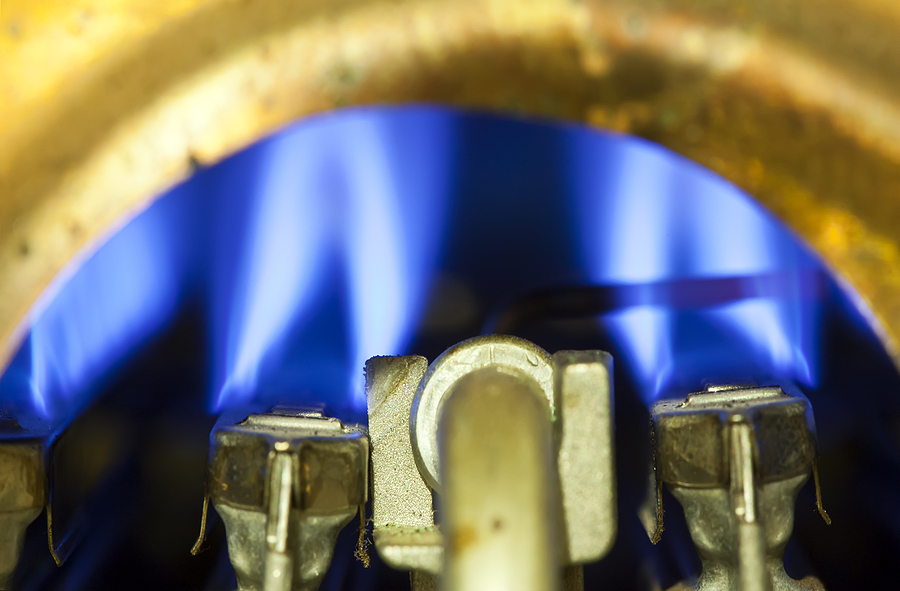
The burner sits centered beneath the tank and is the primary heat source for the entire system. When the thermostat signals a call for heat, the main gas valve opens and gas flows to the burner, where it’s ignited by the pilot light. The resulting combustion transfers heat directly into the water through the tank’s bottom and the internal flue.
Most residential gas water heaters use burners rated between 30,000 and 50,000 BTUs per hour. A standard 40,000 BTU gas burner can recover approximately 40 to 45 gallons of hot water per hour—significantly faster than a comparable electric water heater.
Modern gas water heaters also include automatic shutoff features. If the pilot light goes out or the thermopile fails to generate a sufficient electrical signal, the gas valve closes automatically—preventing unburned gas from entering the unit.
Tank Storage and Heat Retention
One of the key advantages of a storage-tank water heater is that hot water is always available on demand. The insulated tank maintains your set water temperature around the clock, ready to deliver hot water the moment you need it.
That said, standby heat loss—the energy lost while keeping stored water hot—does affect efficiency. Higher-quality insulation reduces this loss considerably.
Recovery time is another important factor. A gas water heater with a 50-gallon tank and a 40,000 BTU burner can typically reheat a full tank in 30 to 40 minutes. This is a meaningful advantage over electric units of the same size, which can take 60 to 80 minutes to fully recover.
When choosing tank size, a general guideline is:
- 1–2 people: 30–40 gallon tank
- 2–3 people: 40–50 gallon tank
- 3–4 people: 50–60 gallon tank
- 5+ people: 60–80 gallon tank
Common Gas Water Heater Issues
Even well-maintained units develop problems over time. Here are the most common ones to watch for.
Sediment Buildup
Minerals in hard water—calcium and magnesium, primarily—settle at the bottom of the tank over time. This sediment layer insulates the water from the burner, forcing it to work harder and longer to heat the same amount of water. The result: higher energy bills, reduced efficiency, and a shorter lifespan. Rumbling or popping sounds during a heating cycle are a tell-tale sign of sediment buildup.
Pilot Light Problems
If your pilot light keeps going out, the likely culprits are a faulty thermocouple, a dirty pilot orifice, or a draft issue near the unit. A failing thermocouple is especially common—it’s the safety device that detects whether the pilot is lit, and when it fails, it shuts off gas flow even when the pilot is working properly.
Anode Rod Deterioration
A depleted anode rod leaves the tank walls exposed to corrosion. The first signs are often discolored or rusty-smelling hot water. Most manufacturers recommend inspecting the anode rod every 3 to 5 years and replacing it as needed.
Signs Your Gas Water Heater Needs Repair or Replacement
Age and Lifespan
The average gas water heater lasts between 8 and 12 years, depending on usage, water quality, and maintenance history. If your unit is approaching or past that range, it’s worth evaluating whether repair still makes financial sense.
Performance Warning Signs
Watch for these indicators that something is wrong:
- Inconsistent or no hot water – The burner, thermostat, or gas supply may be failing.
- Rusty or discolored water – Often signals internal corrosion.
- Water pooling around the base – A leaking tank typically cannot be repaired and requires full water heater replacement.
- Unusual noises – Rumbling, popping, or banging usually points to sediment buildup.
- Rising energy bills – A decline in efficiency is a common sign of an aging or failing unit.
Repair vs. Replacement
A useful rule of thumb: if repair costs exceed 50% of the price of a new unit, replacement is usually the smarter investment—especially if the unit is already over eight years old. A new, energy-efficient model will pay for itself through lower operating costs over time.
Ready to replace your water heater? Weilhammer Plumbing Co. in Indianapolis is currently offering a $1,899 Rheem water heater special that includes installation. Call today at 317-784-1870 to learn more or schedule service.
Frequently Asked Questions
How long do gas water heaters last?
Most gas storage water heaters last between 8 and 12 years with proper maintenance. Tankless gas units can last 15 to 20 years or more.
Why is my gas water heater making noises?
Rumbling, popping, or banging sounds are typically caused by sediment accumulating at the bottom of the tank. As the burner heats the water, it forces steam bubbles through the sediment layer—producing those noises. Flushing the tank can help, though heavily sediment-laden tanks may be nearing the end of their useful life.
How often should I flush my gas water heater?
Most manufacturers and plumbing professionals recommend flushing your water heater once a year. If you live in an area with hard water, consider doing it every six months to prevent excessive sediment buildup.
What size gas water heater do I need?
The right size depends on your household size and peak hot water demand. A general starting point: 30–40 gallons for 1–2 people, 40–50 gallons for 2–3 people, 50–60 gallons for 3–4 people, and 60–80 gallons for larger households. A licensed plumber can help you determine the best fit for your home.
Keep Your Gas Water Heater Running Strong
Your gas water heater is a reliable piece of equipment—but only when it’s properly maintained and correctly sized for your home’s needs. Annual flushing, periodic anode rod checks, and knowing the warning signs of wear can add years to its lifespan and prevent costly surprises.
When the time does come for a repair or replacement, trust a licensed professional to get the job done right. Weilhammer Plumbing Co. specializes in water heater installation, repair, and maintenance. Ask about our current $1,899 Rheem Water Heater special with installation!
Related Posts:
Gas Water Heater Problems: Why the Pilot Light Went Out And How to Fix It
The True Facts About Electric and Gas Water Heaters
Top Reasons Why Your Gas Water Heater Won’t Light