
Your home’s main sewer line carries wastewater away from every sink, toilet, and drain, connecting your plumbing system to the municipal sewer or septic tank. When this single pipe gets blocked, the effects ripple through your entire home at once.
A main sewer line blockage is different from a simple clogged drain. A clogged drain affects one fixture. A main line blockage affects everything connected to it, which means multiple toilets, tubs, and sinks can all back up simultaneously.
Ignoring the early signs can turn a manageable repair into costly water damage, contaminated flooring, and emergency excavation work. Catching the problem early, on the other hand, often means a simple fix.
Here’s what to watch for, what causes these blockages, and when it’s time to bring in a professional.
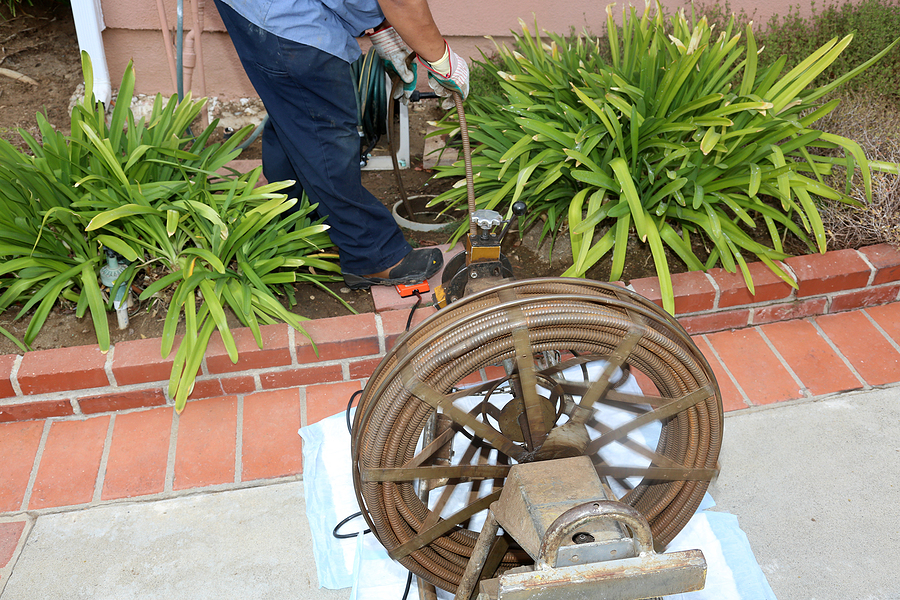
Early Warning Signs of a Sewer Line Blockage
Slow Drains in Multiple Fixtures
One slow drain usually points to a localized clog. But when your kitchen sink, bathroom sink, and shower all drain sluggishly around the same time, the problem likely sits deeper in your plumbing system, closer to the main line.
Frequent Backups in Lower-Level Drains and Toilets
Basement floor drains, lower-level toilets, and tub drains sit closest to the main sewer line, so they’re usually the first to show trouble. If water backs up into these fixtures, especially after you run the washing machine or flush a toilet upstairs, a main line blockage is a likely culprit.
Persistent Sewage Odors
A sewer smell inside your home, or even lingering near your yard, signals that wastewater isn’t flowing where it should. Trapped gases from a blocked line can seep back through drains, vents, or cracks in your plumbing.
Gurgling Sounds From Drains and Toilets
Gurgling noises happen when air gets trapped behind a blockage and pushes back through your pipes. If flushing a toilet causes your shower to gurgle, or your sink bubbles when the dishwasher drains, your fixtures are communicating through a shared, obstructed line.
Advanced Symptoms to Watch For
Unusually Lush or Green Patches of Grass
If one patch of your lawn looks noticeably greener and more lush than the rest, it could mean sewage is leaking underground and acting as an unintended fertilizer. This is often a sign that the blockage, or the break causing it, has progressed outside your home’s foundation.
Cracks in Your Foundation or Basement Walls
Persistent leaks from a damaged sewer line can saturate the soil around your foundation, which may contribute to shifting and cracking over time. Foundation issues have multiple possible causes, so it’s worth having a professional confirm whether a sewer line problem is involved.
Multiple Plumbing Fixtures Failing at Once
When several fixtures throughout your home stop draining properly within the same timeframe, it’s rarely a coincidence. This pattern strongly suggests the blockage sits in the main line rather than in any single branch pipe.
Unexplained Increases in Water Bills
A sudden spike in your water bill, without a change in household usage, can indicate a leak somewhere in your system. While not every spike points to the sewer line specifically, it’s worth investigating alongside other warning signs.
When to Call a Professional Plumber
How to Assess Severity and Urgency
A single slow drain might wait until morning. But backups in multiple fixtures, sewage odors, or standing water in your basement call for immediate attention. The longer a blockage sits, the greater the risk of contaminated water damage and structural issues.
Why DIY Fixes Won’t Solve Main Line Issues
Store-bought drain snakes and chemical cleaners are built for localized clogs, not deep blockages in a main sewer line. They can’t clear tree root intrusions, pipe collapses, or significant debris buildup, and using them incorrectly can sometimes push the problem further down the line.
What to Expect From a Professional Inspection
A licensed plumber typically starts with a camera inspection, feeding a small camera through your pipes to pinpoint the exact location and cause of the blockage. From there, they may recommend hydro jetting, cabling, or in more serious cases, pipe repair or replacement.
What Causes Main Sewer Line Blockages?
Tree Roots Infiltrating Pipes
Tree roots seek out moisture, and aging sewer pipes with small cracks or loose joints are an easy target. Once roots find their way in, they grow and expand, gradually restricting or completely blocking water flow.
Grease and Debris Buildup
Grease, wipes, and other debris flushed or poured down drains can accumulate along pipe walls over time. Eventually, this buildup narrows the pipe’s interior until it restricts or stops flow entirely.
Pipe Corrosion and Collapse
Older pipes, particularly those made from cast iron or clay, are prone to corrosion. As the interior deteriorates, sections can collapse inward, creating a physical obstruction that no amount of cleaning can resolve.
Ground Shifting and Pipe Misalignment
Soil movement from freezing and thawing, nearby construction, or natural settling can shift pipes out of alignment. Misaligned sections create gaps or low points where debris collects and blockages form.
Preventing Future Sewer Line Blockages
- Schedule regular maintenance and inspections. Routine camera inspections can catch root intrusion or minor corrosion before it becomes a full blockage.
- Watch what goes down your drains. Avoid pouring grease down the sink, and skip flushing wipes, paper towels, or feminine hygiene products, even those labeled “flushable.”
- Think carefully about landscaping near your sewer line. If you’re planting new trees or shrubs, choose species with less invasive root systems and keep them a safe distance from your sewer line’s path.
Taking these steps now can save you from the inconvenience, mess, and expense of a major blockage later.
If you’ve noticed any of the warning signs above, don’t wait for the problem to worsen. Weilhammer Plumbing Company in Indianapolis, Indiana offers professional sewer line inspections to help you catch problems early and protect your home. Schedule a plumbing inspection today.
Frequently Asked Questions
How do I know if it’s a single clog or a main sewer line blockage?
A single clog usually affects just one fixture, like a slow kitchen sink. A main line blockage typically affects multiple fixtures at once, especially those on the lowest level of your home.
Can I clear a main sewer line blockage myself?
Minor clogs in individual drains can sometimes be cleared with a plunger or drain snake. Main line blockages usually require professional equipment, like hydro jetting or a sewer camera inspection, to properly diagnose and resolve.
What happens if I ignore a main sewer line blockage?
Ignoring the signs can lead to sewage backups inside your home, water damage, and more costly repairs. Blockages rarely resolve on their own and tend to worsen over time.
How often should I have my sewer line inspected?
This depends on your home’s age, pipe material, and plumbing history. Homes with older pipes or mature trees nearby may benefit from more frequent inspections.
Don’t Let a Small Problem Become a Costly One
Slow drains, gurgling pipes, and sewage odors are your home’s way of signaling a problem before it becomes an emergency. Catching these signs early, understanding what causes them, and knowing when to call in a professional can save you significant time, money, and stress.
If you’re seeing any of these warning signs in your Indianapolis home, reach out to Weilhammer Plumbing Company for a professional sewer line inspection and get ahead of the problem before it grows.
Related Posts:
Why Choose Trenchless Sewer Line Replacement Services
Top 4 Signs of a Sewer Line Problem