
Hard water is one of the most common household water problems in the United States—affecting roughly 85% of American homes. Left untreated, it leaves white scale deposits on fixtures, shortens the lifespan of water-using appliances, and makes soap and shampoo harder to lather. Traditional salt-based softeners are the gold standard for tackling it, but they’re not the right fit for every household.
Whether you’re concerned about sodium in your water, looking to reduce maintenance, or simply exploring your options, there are several alternatives worth knowing about. Some work well for specific situations; others fall short of their marketing claims. Here’s an honest breakdown.
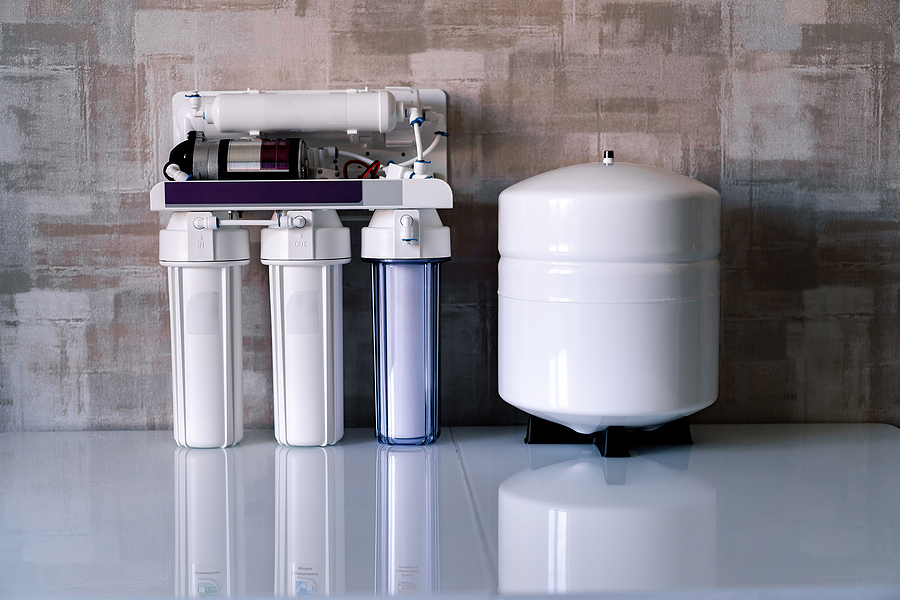
1. Salt-Free Water Conditioners
How Salt-Free Conditioners Work
Salt-free water conditioners—often called Template Assisted Crystallization (TAC) or Nucleation Assisted Crystallization (NAC) systems—don’t remove calcium and magnesium from your water. Instead, they convert those hardness minerals into microscopic crystals that can’t bond to pipe surfaces. The crystals remain suspended in the water and pass through your plumbing without depositing scale.
Benefits of Salt-Free Systems
These systems appeal to homeowners who want a low-maintenance, eco-friendly option. There’s no salt to purchase or replenish, no brine discharge, and no need for electricity. The TAC media inside the system typically only needs replacing once every three to five years, making ongoing upkeep minimal. For households in areas with water restrictions around salt discharge, this can be a meaningful advantage.
Limitations to Consider
Salt-free conditioners don’t soften water in the traditional sense—your water’s hardness level remains the same. You won’t notice a difference in taste, and these systems do little to address existing scale buildup already present in your pipes. They’re best suited for preventing new deposits rather than eliminating old ones. For households with very high hardness levels, results can be inconsistent.
2. Electronic Descalers
The Technology Behind Electronic Descalers
Electronic descalers wrap around your existing pipes and emit low-frequency electromagnetic fields. The theory is that these fields alter how calcium and magnesium behave, keeping the minerals suspended in the water rather than crystallizing on pipe walls and fixtures. Installation is simple—no plumbing modifications required.
Advantages for Homeowners
The appeal is straightforward: no salt, no chemicals, no significant maintenance, and no major installation work. Electronic descalers are relatively inexpensive upfront and can be installed by a homeowner in a matter of minutes. For renters or those in temporary housing, this makes them a convenient short-term option.
Real-World Performance
Here’s where the picture gets more complicated. Independent research and assessments by the U.S. Army Corps of Engineers have consistently found that electronic descalers produce limited, inconsistent results—particularly in homes with high-mineral or well water. Any changes to mineral behavior tend to be temporary. Some homeowners report modest improvements; many others see little to no benefit. For homes with serious hard water problems, electronic descalers are unlikely to deliver reliable protection.
3. Magnetic Water Treatment: Fact or Fiction?
Magnetic Fields and Water
Magnetic water treatment works on a similar principle to electronic descalers, but uses permanent magnets clamped to the outside of pipes rather than electrical coils. Proponents claim that passing water through a magnetic field changes the structure of hardness minerals, reducing their tendency to form scale.
Research and Evidence
The scientific community remains skeptical. Studies published in peer-reviewed journals have found that any effects on mineral behavior are minimal and short-lived. Magnetic devices have no moving parts and can last indefinitely, but their effectiveness often diminishes within months depending on water flow conditions and mineral content. The U.S. Army Corps of Engineers has similarly found limited evidence supporting their effectiveness for scale prevention.
When to Consider Magnetic Treatment
Magnetic treatment may offer modest benefits in homes with moderately hard water and relatively stable mineral profiles. For most homeowners dealing with significant hard water issues, though, the evidence doesn’t support relying on this method as a primary solution.
4. Reverse Osmosis Systems for Water Quality
RO for Drinking Water
Reverse osmosis (RO) systems push water through a semi-permeable membrane under pressure, removing 95–99% of total dissolved solids. That includes calcium, magnesium, lead, PFAS, nitrates, chlorine, fluoride, and bacteria. Under-sink and countertop RO systems are widely available, affordable, and effective at delivering high-quality drinking water on demand.
Whole-House RO Systems
Whole-house RO systems treat every drop of water entering your home before it reaches your plumbing. They’re highly effective, but they come with a higher upfront cost, require professional installation, and produce wastewater as part of the filtration process. For households dealing with multiple contaminant concerns beyond just hardness, they can be worth the investment.
Benefits Beyond Softening
Where RO systems stand apart is in their breadth of filtration. A standard water softener removes hardness minerals; an RO system removes a wide spectrum of contaminants simultaneously. For families concerned about water quality more broadly—not just scale buildup—RO offers a more comprehensive solution at the point of use.
5. Distillation: The Purest Water Solution?
The Distillation Process
Distillation heats water to boiling, collects the resulting steam, and condenses it back into liquid form. Because most contaminants and minerals have higher boiling points than water, they’re left behind in the chamber. The collected water is nearly pure H₂O.
Pros of Distilled Water
Distillation removes virtually all non-volatile contaminants, including bacteria, heavy metals, and dissolved solids. It requires no plumbing connection and has no filters or membranes to replace regularly. For specific applications—CPAP machines, steam irons, laboratory equipment—distilled water is often specifically recommended.
Cons and Practicality for Home Use
The drawbacks are significant for everyday household use. Home distillers produce roughly one gallon every four to six hours and consume approximately 3 kWh of electricity per gallon—making them expensive to run daily. The resulting water is completely stripped of minerals, which many people find flat-tasting. The World Health Organization has noted that long-term consumption of demineralized water may contribute to lower mineral intake. Distillation also cannot remove volatile organic compounds (VOCs), which evaporate with the steam and carry over into the condensate. For whole-home use, it simply isn’t practical.
Frequently Asked Questions
What is the most effective alternative to a salt-based softener?
For comprehensive hard water treatment, salt-free TAC/NAC conditioners are the most proven alternative—though they condition rather than soften water. Reverse osmosis is the most effective option for drinking water quality specifically. No alternative fully replicates the results of a traditional ion-exchange water softener for whole-home softening.
Do salt-free softeners actually remove hard water minerals?
No. Salt-free conditioners convert hardness minerals into crystals that won’t stick to surfaces, but the minerals remain in your water. Your water’s measured hardness level stays the same.
Are electronic descalers worth the investment?
For most homes—especially those with high mineral content or well water—independent research suggests they don’t deliver consistent, reliable results. They’re low-risk given their modest cost, but shouldn’t be relied upon as a primary hard water solution.
Can I use multiple alternative methods together?
Yes. Some homeowners pair a salt-free conditioner with a point-of-use RO system—using the conditioner to manage scale throughout the home and the RO system for high-quality drinking and cooking water. Consult a water treatment professional to identify the right combination for your specific water profile.
The Bottom Line on Water Softener Alternatives
Each alternative covered here has its place—but each also has real limitations. Salt-free conditioners offer a maintenance-light approach to scale prevention. RO systems deliver exceptional drinking water quality. Distillation suits niche applications. Electronic and magnetic descalers, despite their convenience, fall short of what most hard water households actually need.
For homeowners who want reliable, whole-home results, a properly sized traditional water softener remains the most proven solution.
Ready to solve your hard water problem for good? Weilhammer Plumbing Co. provides professional water softener installation and service throughout Indianapolis. We sell and install Clack On Demand water softeners for under $1,300—an affordable, long-term fix backed by expert local support. Contact us today to schedule your consultation.
Related Posts:
Should You Replace Your 10-Year-Old Water Softener?
Best Water Softener Brands for Your Home
Water Softener Rental: Cost-effective Solution for Hard Water Problems